


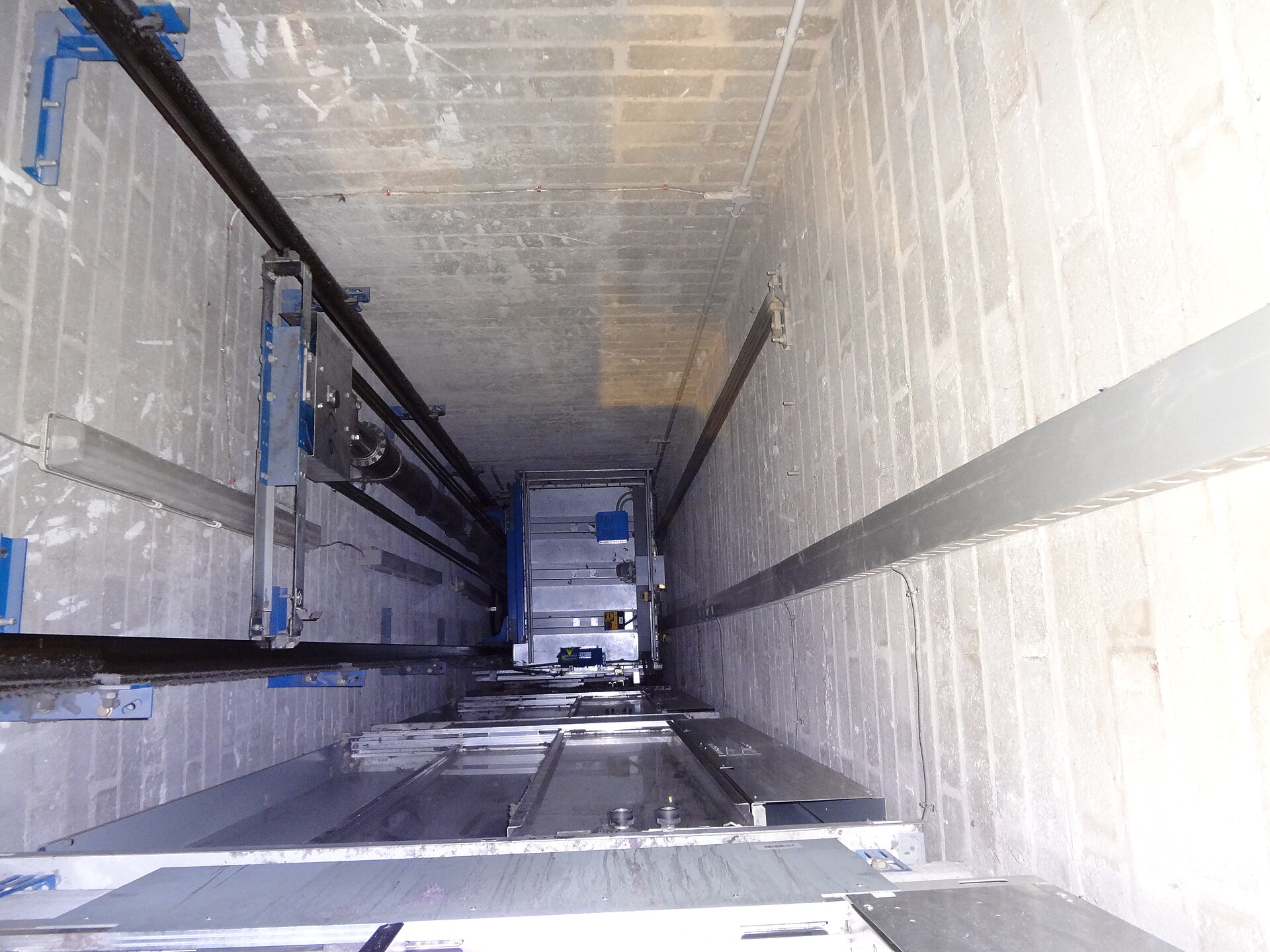
A severe shortage of skilled elevator mechanics is causing widespread repair delays in the US and UK, leaving residents stranded and building managers frustrated. The problem has intensified over the last decade, with industry leaders describing the current situation as drastically worse than in previous years.
Jim Lembesis, a field technician for Parkway Elevators in Chicago, has spent 47 years repairing and upgrading lifts. He notes that the frustration among building staff and residents is palpable when a lift stops working. “They wait and they wait,” Lembesis said. “There’s a lot of frustration. Sometimes it’s a repeat issue. It’s a never-ending cycle.”
Long Training and Parts Delays
The average salary for a lift mechanic in the US is $110,000, yet attracting new workers remains difficult. Matt Hollinshead, president of the US National Association for Elevator Contractors, points to the four-year apprenticeship required to enter the field as a primary barrier. Many states also mandate specific certification or licensing before technicians can work on lifts.
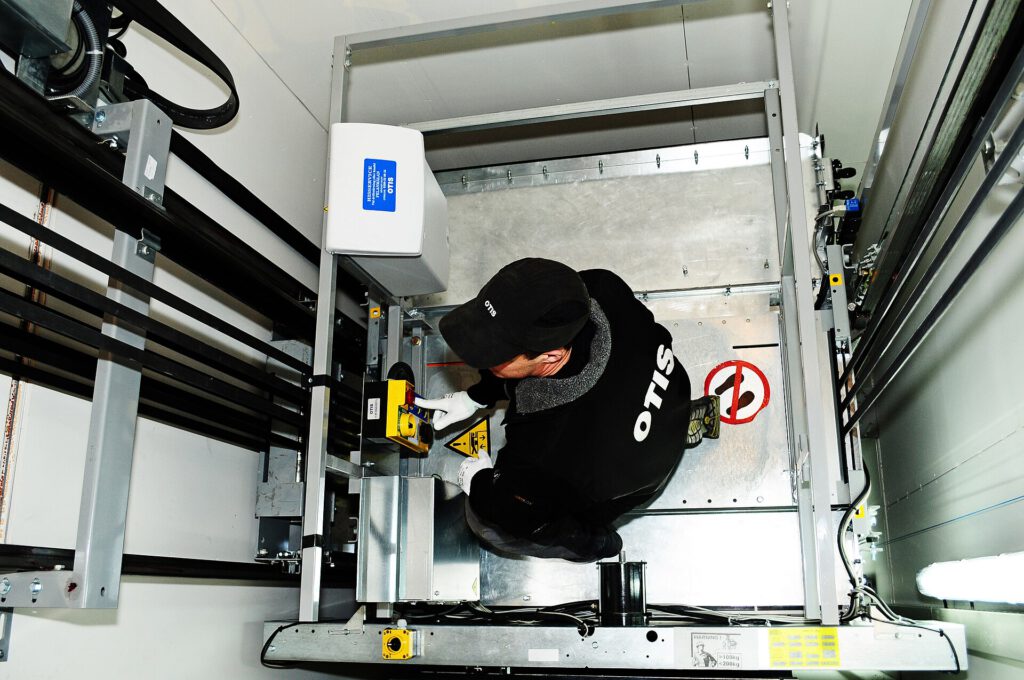
Compounding the labor shortage is a significant delay in sourcing replacement parts. Hollinshead explained that manufacturing a replacement hydraulic cylinder can take six to twelve weeks. While staff shortages do not typically cause weeks-long repair delays on their own, the lack of technicians means building managers may wait days just to get an initial diagnosis of a broken lift.
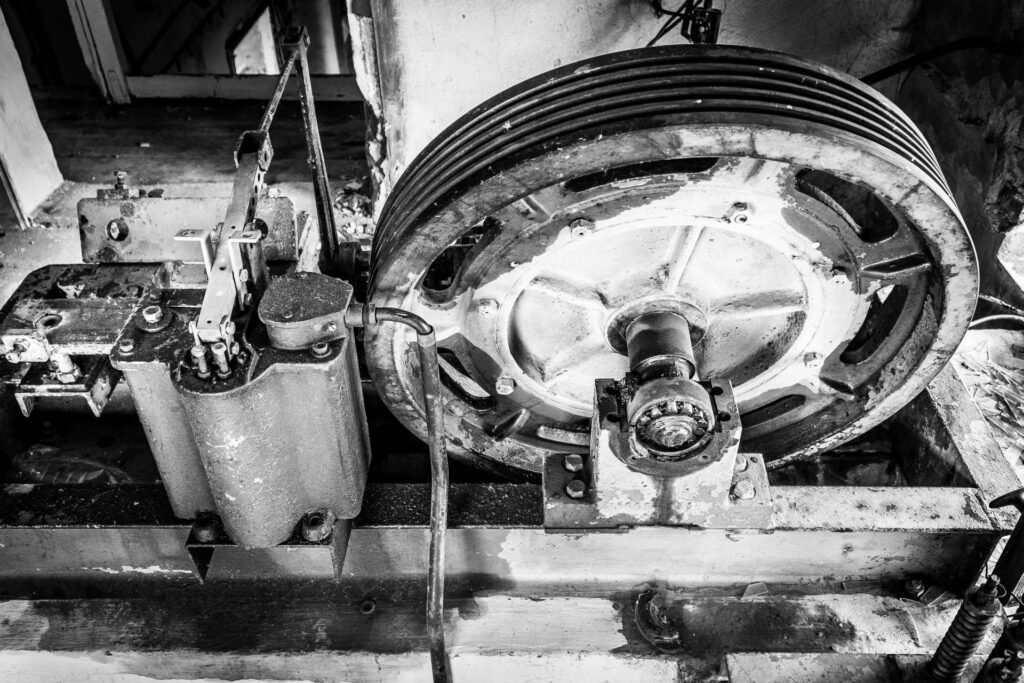
Some of the oldest equipment in the US is over a century old. As technology evolves, the knowledge required to maintain these systems grows more complex. Hollinshead suggested that teaching trade basics in high schools or technical schools could help entice more people into the profession.
Contract Lock-Ins and Global Impact
Recruiter Matt Allred, host of The Elevator Careers Podcast, described technicians as “wizards” due to their ability to diagnose and fix complex mechanical issues. However, he blamed major lift manufacturers for locking down maintenance contracts. These agreements often prevent third-party repairers from intervening when a lift fails, limiting the pool of available workers.
The shortage is not limited to the US. In the UK, Dave Cooper, president of the Chartered Institution of Building Services Engineers, stated that the situation is “bad and getting worse.” He noted that food delivery companies have refused to deliver to flats above the ground floor because elevators are out of service. The Lift and Escalator Industry Association (Leia) reported only 259 active apprentices in the UK, calling continued investment in training essential.
Two large lift manufacturers approached by BBC News declined to comment. Otis, one of the world’s largest elevator companies, stated in May that it was struggling to hire enough staff to meet demand. A spokesman for Otis later claimed its US talent pipeline was healthy, but the company declined a formal interview.
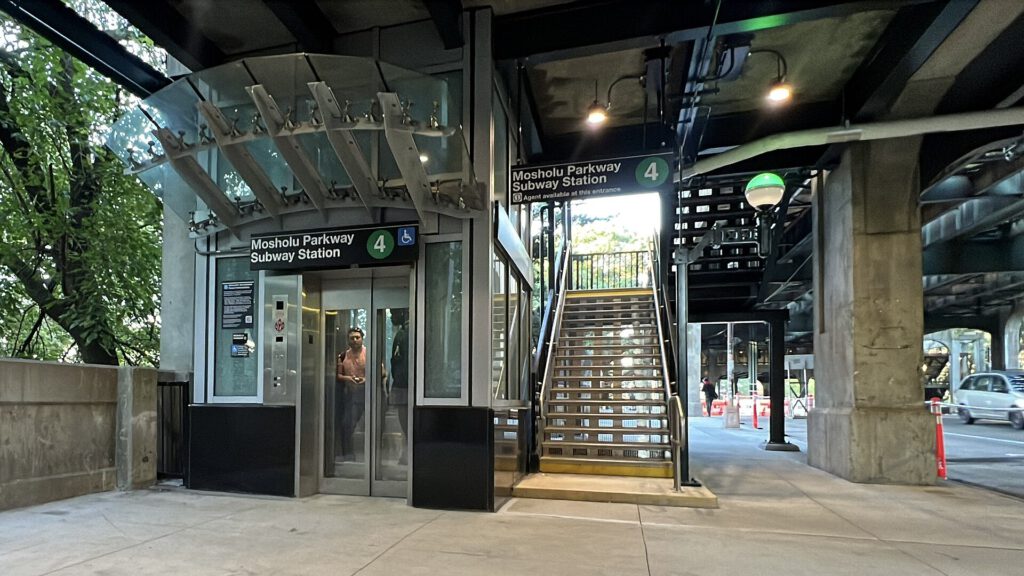
Despite the challenges, some technicians find the work deeply rewarding. Lembesis recalled a night spent ensuring lifts were safe during a building fire, noting that firefighters thanked him for his work. He also highlighted the camaraderie among mechanics and the appreciation they receive from the public. “I love that. You get that reaction from the customers,” he said. “Without them, you got nothing.”
Source: BBC
