


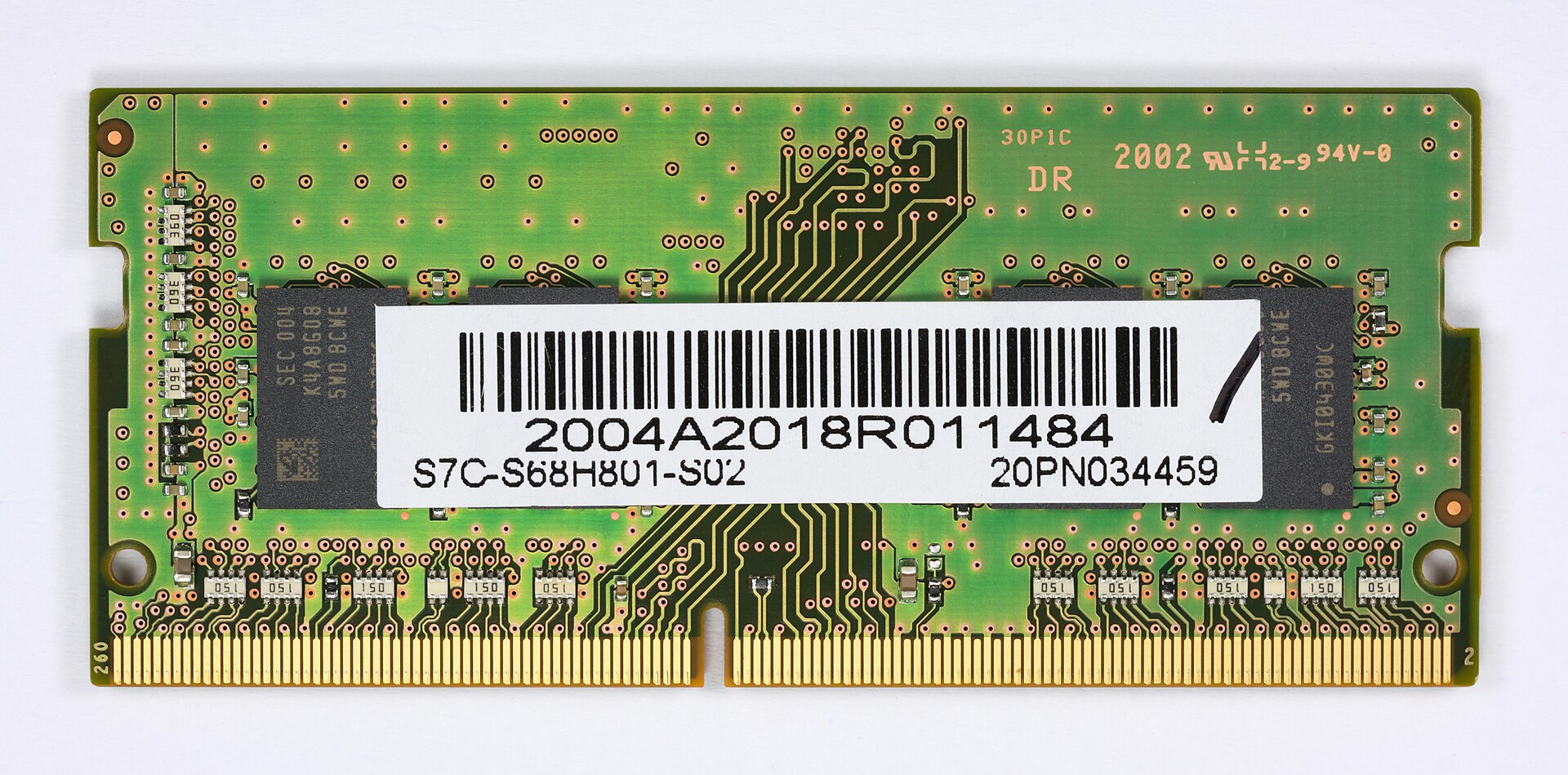
Intel and AMD are reversing their push for exclusive DDR5 memory support by releasing new processors that work with the older DDR4 standard. This move comes as PC builders face steep price increases for newer memory modules, making the decade-old technology a practical choice for budget-conscious consumers.
Intel LGA 1700 Socket Revival
Gigabyte announced on Friday that two of its motherboard lines will support upcoming processors built on Intel’s LGA 1700 socket. This platform originally launched in 2021 with the 12th generation Alder Lake CPUs and supported both DDR4 and the then-new DDR5 memory. Intel had previously moved to a DDR5-only approach for its successor platforms in 2024.
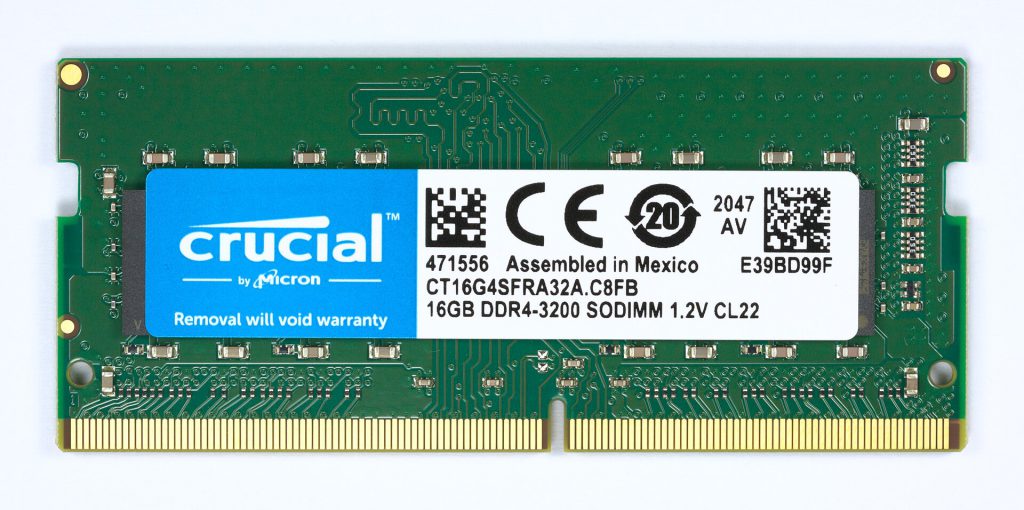
According to Gigabyte, the dual format support is being revived for new LGA 1700 chips expected to launch in early 2027. This backtrack leverages the socket’s cross-compatibility with both types of RAM, an advantage that has become increasingly valuable as DDR5 costs rise. Intel appears to be offering users a way to upgrade their CPUs without forcing a complete system overhaul that includes expensive new memory.
AMD AM4 Platform Extension
AMD is pursuing a similar strategy for its last-generation AM4 platform. In August, Gigabyte announced a new series of motherboards designed for this DDR4-compatible socket. These boards will accompany the 10th-anniversary relaunch of the Ryzen 7 5800X3D CPU.
By extending the life of the AM4 platform, AMD is providing a clear path for users who want to upgrade their processing power without replacing their existing DDR4 memory kits. This approach contrasts with the typical industry cycle where new CPU generations require new motherboards and new memory types.
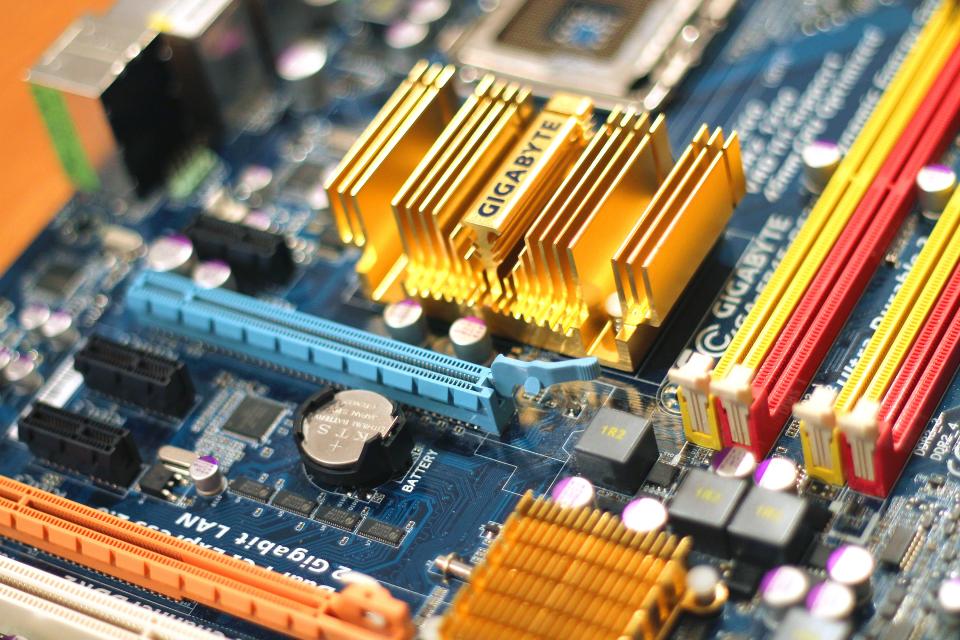
Market Reality and Pricing
DDR4 technology hit the market in 2014 and has since been succeeded by the faster DDR5 standard. Under normal market conditions, purchasing new hardware to support technology that is over a decade old would likely be considered a poor investment. However, the current RAM shortage is changing the economic calculation for many consumers.
Price disparities between the two memory types have become significant. A 32GB kit of Corsair Vengeance DDR5 RAM currently costs around $620. The corresponding DDR4 kit is priced at approximately $260. While DDR5 offers advantages such as higher speeds and better power efficiency, the cost difference is substantial. Even though DDR4 prices have risen from their historical lows, they remain far below the current rates for DDR5.
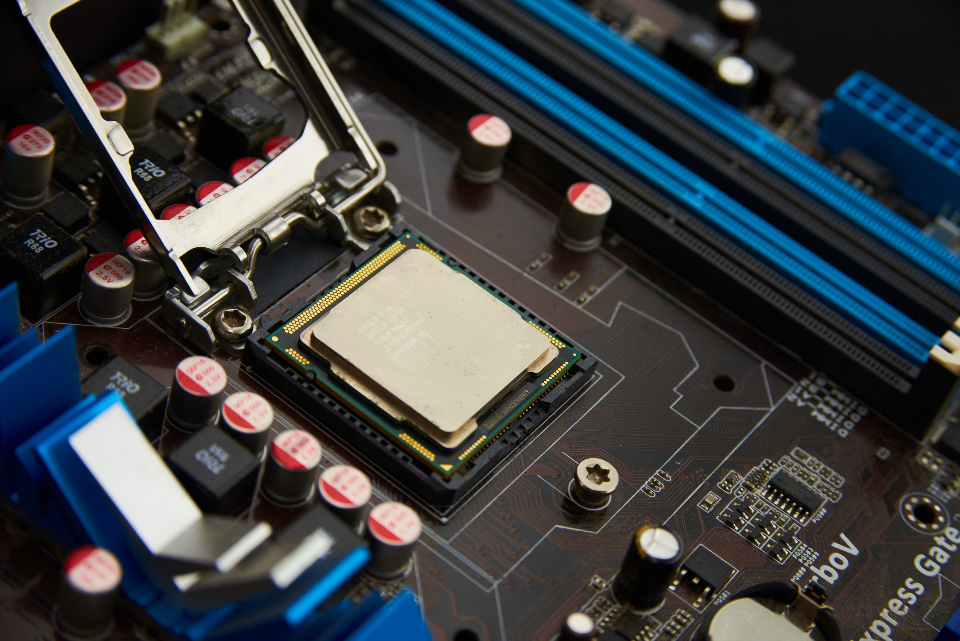
Industry observers suggest it could be years before DDR5 prices drop to more accessible levels. For now, the return of older sockets and chipsets offers a viable alternative for those looking to build or upgrade a PC without incurring the high costs associated with the latest memory technology.
Source: The Verge
