


Voting is underway across Israel in what many observers consider one of the most significant elections in the country’s history. Turnout so far has reached record levels, with an unprecedented 70,000 Israelis reportedly flying home from abroad to cast their votes. Hundreds of thousands of first-time voters are also participating in the election.
Netanyahu and Eisenkot in Tight Race
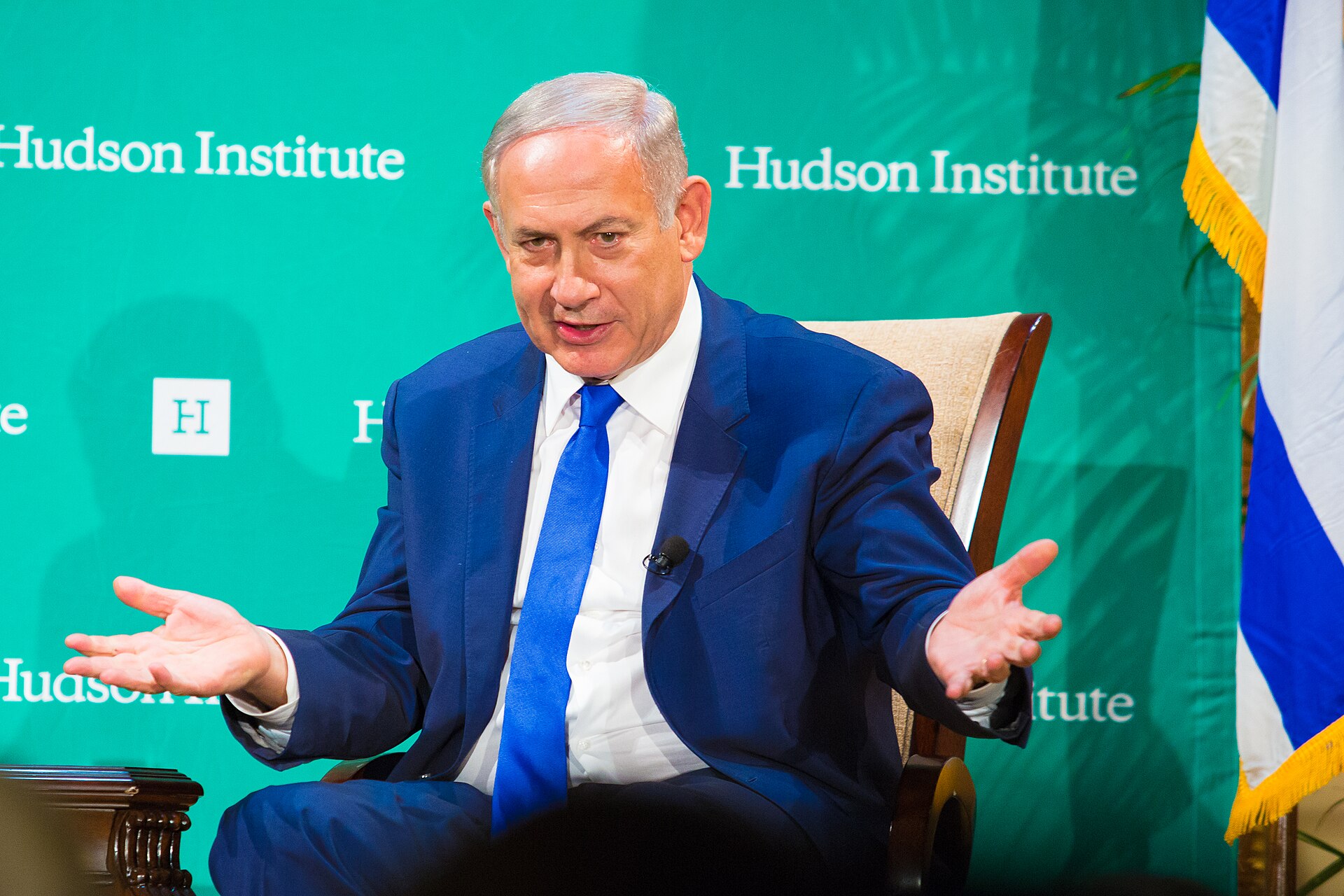
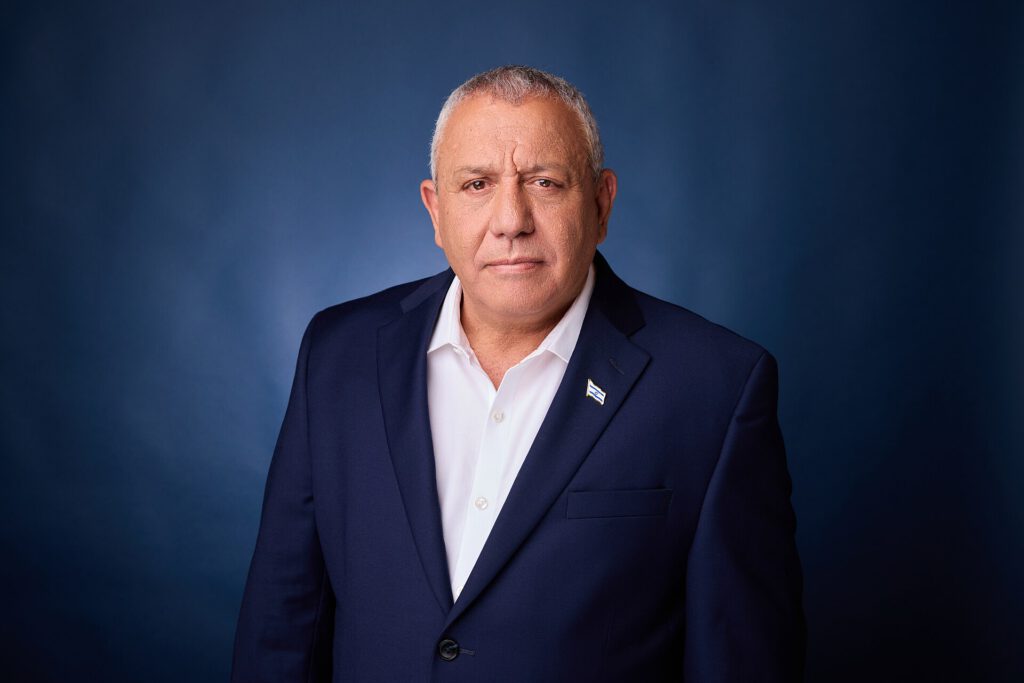
Polling published on Friday indicates that incumbent Prime Minister Benjamin Netanyahu is in a neck-and-neck contest with Gadi Eisenkot, the leader of the newly formed Yashar Party. Eisenkot, a former military chief, heads the so-called “change bloc,” a coalition of parties with diverse ideologies united by the goal of removing Netanyahu from power.
Despite the high-profile rivalry between the two men, neither political bloc is projected to secure the 61 seats required to form a government in Israel’s 120-seat parliament. This arithmetic suggests that weeks or even months of political negotiations will be necessary after the polls close. The last time Israel struggled to form a coalition, the country held five separate elections between 2019 and 2022.
Netanyahu, who first served as prime minister in 1996, is seeking to maintain his grip on power through an alliance with the far-right and ultra-Orthodox parties that constitute his current governing coalition. This bloc is described as the most right-wing in Israel’s history. In contrast, Eisenkot’s bloc includes former Prime Minister Naftali Bennett, Avigdor Lieberman, and Yair Golan, representing a mix of right-wing security hawks and left-leaning figures.
Security and Democracy Dominate Campaign
The campaign has been heavily shaped by issues of security and democracy. The opposition has focused its attacks on the security failures that preceded the Hamas-led attacks on October 7, 2023, which killed nearly 1,200 people and resulted in 251 hostages being taken to Gaza. Eisenkot and his allies are pushing for an independent commission of inquiry into the attacks, a measure Netanyahu has resisted, arguing it would be biased against him.
Netanyahu has framed himself as the essential security leader, citing strategic victories in regional conflicts and his relationship with US President Donald Trump. He has also faced criticism for posting an AI-generated image of a nuclear bomb hitting Tel Aviv, warning that he is the only leader who can protect Israel if Iran acquires nuclear weapons. Eisenkot dismissed this imagery as hysterical.
Reports emerged on Sunday that Netanyahu had pushed for last-minute military action against Iran prior to the elections, a move opposed by military chief Eyal Zamir. CNN later reported that Netanyahu had also attempted to persuade Trump to authorize new strikes on Iran, but the US leader refused. Netanyahu denied both reports.
Complex Coalition Arithmetic
Israel’s proportional representation system means that governments are always coalitions, often leading to unexpected alliances. However, this election features rigid “red lines” that complicate deal-making. All but one of the leading Jewish parties have ruled out working with Arab party blocs, which represent about one-fifth of the population. While Arab parties could theoretically act as kingmakers, their exclusion from potential coalitions limits their influence.
On the issue of the West Bank, Eisenkot supports Israeli settlements, which are illegal under international law, but has called for cracking down on extremist Jewish settlers whose attacks have reached record highs. He has also spoken about creating conditions for Palestinian autonomy or a “state-minus” under Israeli security control. The two-state solution has largely disappeared from mainstream political discourse.
Another contentious issue is military conscription. Netanyahu’s government has failed to enforce a Supreme Court ruling requiring ultra-Orthodox Jewish men in full-time religious study to join the military. This failure has supported protests against conscription and remains a divisive topic. Eisenkot takes a position broadly similar to Netanyahu on this matter.
As voting continues, complaints of irregularities at polling stations have been widespread, though the Central Election Committee stated there is no evidence of systematic tampering. Netanyahu’s Likud party has requested that voting be extended beyond the scheduled 22:00 closing time, citing high turnout among Arab voters. Eisenkot’s camp has criticized this move as an attempt to challenge the election’s integrity.
Exit polls will be released by Israeli broadcasters once voting ends, but these figures can vary significantly from final results. Hundreds of thousands of soldiers and reservists are voting, with many of their ballots not counted until Wednesday. This delay could provide a late advantage for right-wing parties, which are believed to have strong support among this demographic. The final outcome will depend on whether any bloc can navigate the complex political landscape to form a stable government.
Source: BBC
