


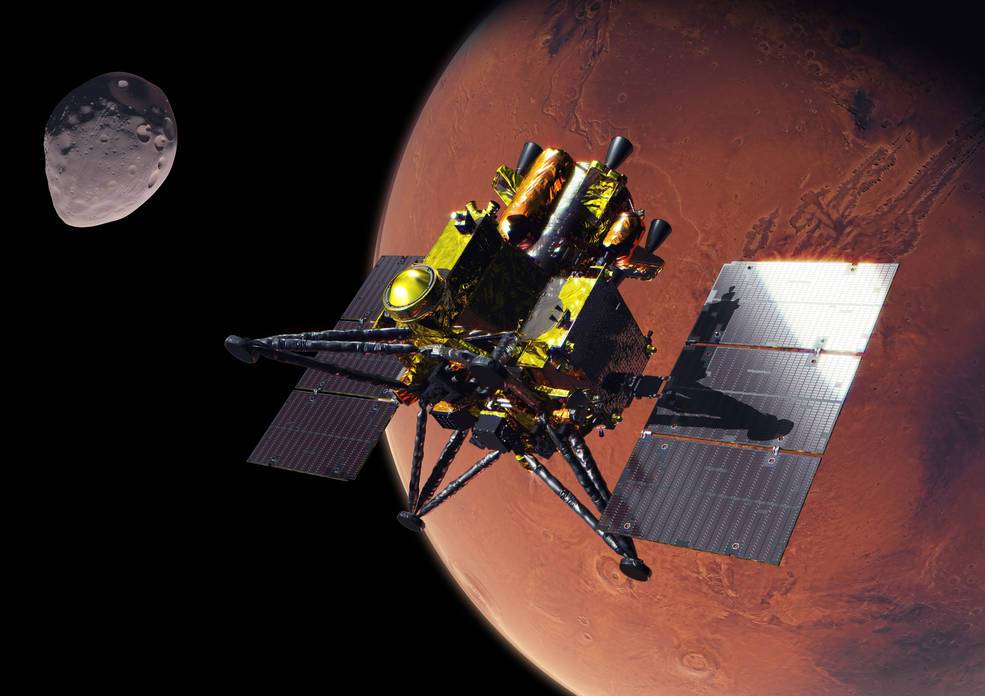
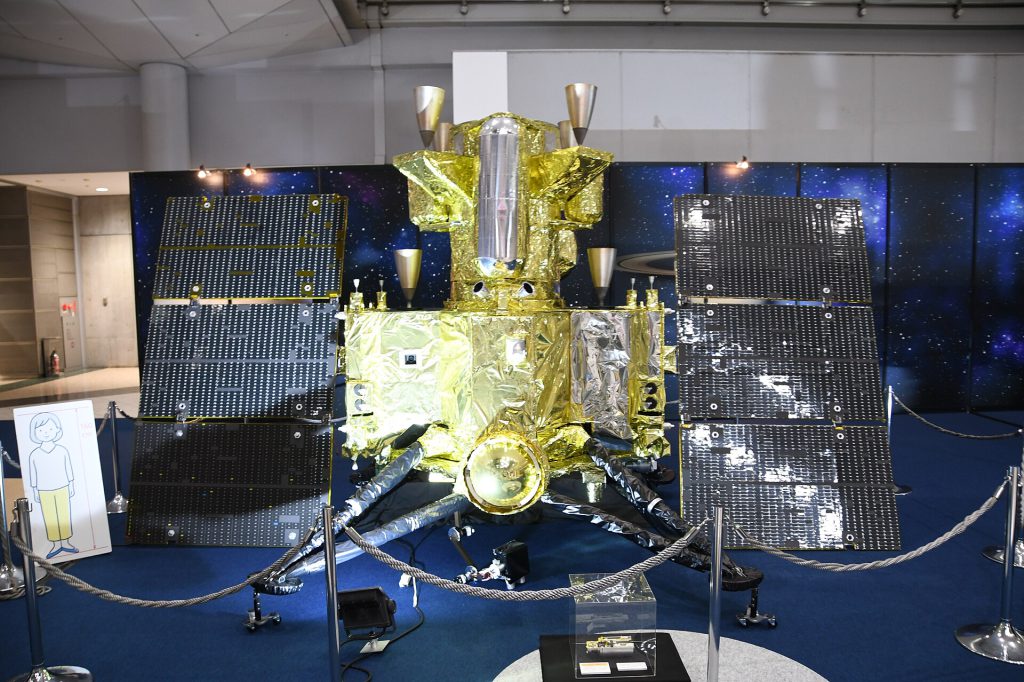
NASA is preparing to outline its technical and financial support for the Japanese Aerospace Exploration Agency (JAXA) Martian Moons eXploration (MMX) mission during a media teleconference on Thursday, Oct. 15. The briefing will cover the agency’s specific contributions to the spacecraft scheduled to launch from Japan on Monday, Oct. 19.
MMX Mission Launch and Timeline
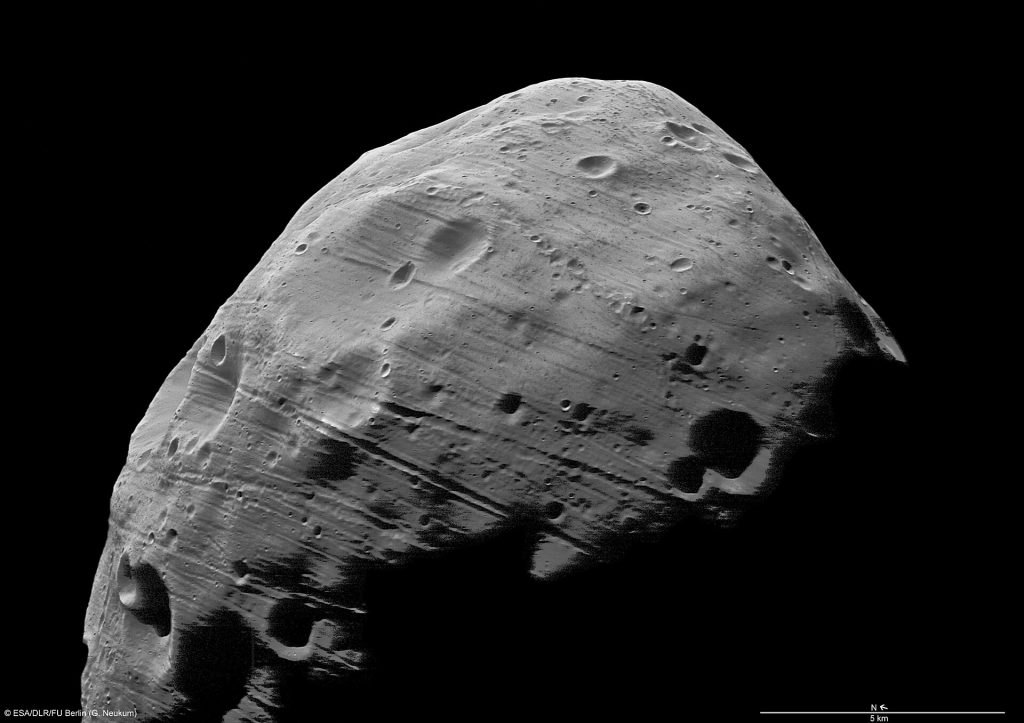
The MMX spacecraft is set to depart from JAXA’s Tanegashima Space Center in Japan. The launch window opens on Monday, Oct. 19 EDT, which corresponds to Tuesday, Oct. 20 in Japan Standard Time. The mission aims to arrive at Mars in August 2027 to begin a comprehensive survey of the planet’s two moons, Phobos and Deimos.
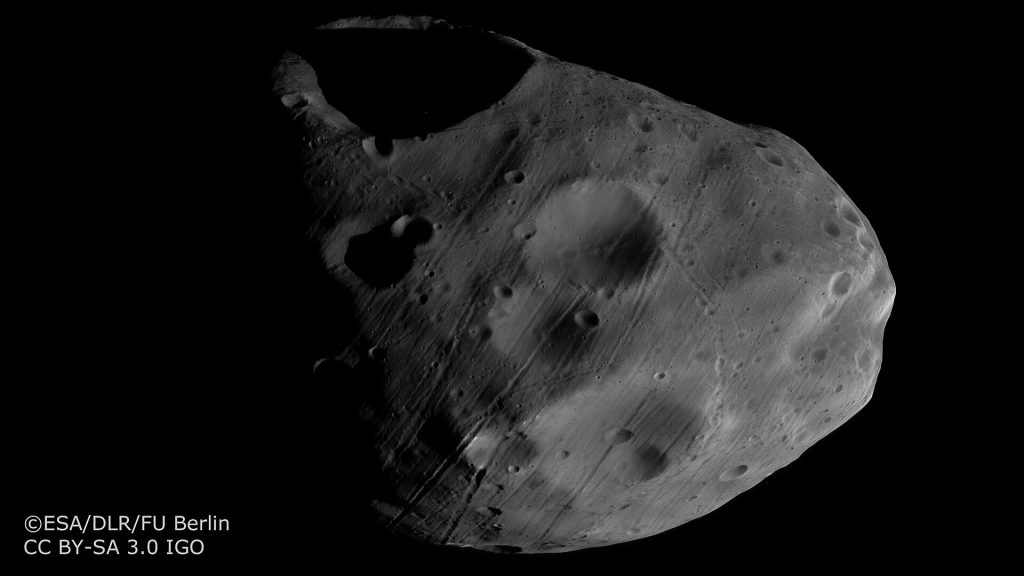
Following the arrival, the spacecraft will conduct detailed surveys of Phobos. The primary objective involves collecting a sample of the moon’s surface. This collection is scheduled to take place no earlier than December 2028. The spacecraft will then return the sample to Earth in 2031.
NASA Hardware and Instrumentation
NASA’s involvement centers on critical hardware and scientific instruments. The agency is providing the MEGANE gamma-ray and neutron spectrometer. This instrument was developed by the Johns Hopkins Applied Physics Laboratory. It will be used to analyze the composition of the Martian moons.
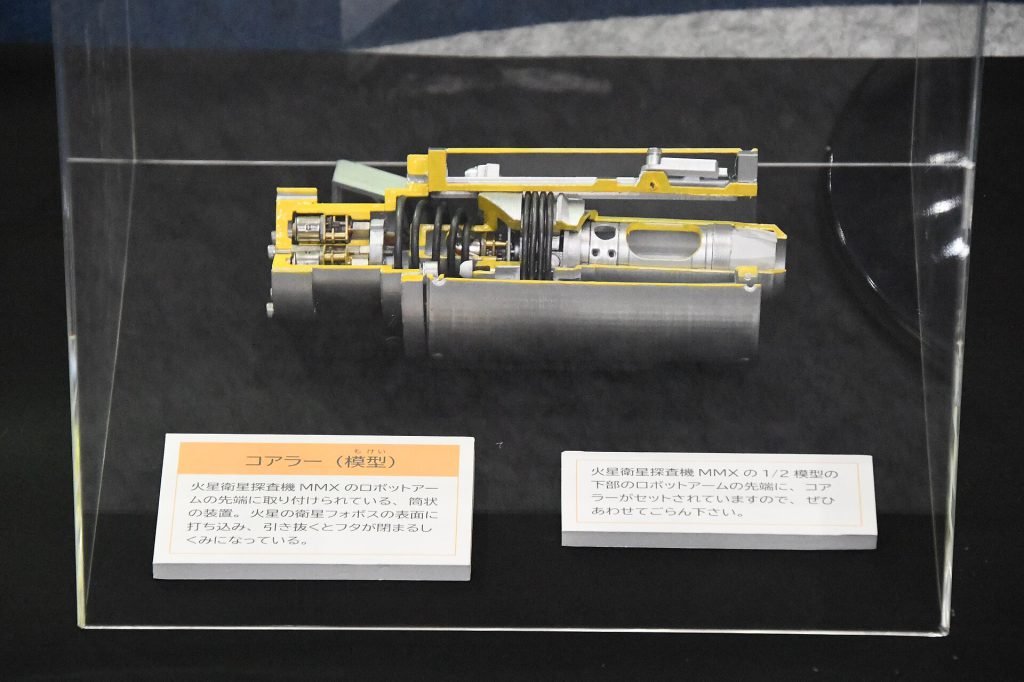
Additionally, NASA is supplying the spacecraft’s surface sampler mechanism. This pneumatic device was developed by Honeybee Robotics, a subsidiary of Blue Origin. The sampler is essential for the mission’s goal of retrieving physical material from Phobos.
The agency is also providing communications and navigation support through its Deep Space Network. This infrastructure will ensure reliable contact between the spacecraft and Earth operators during the journey and operations at Mars.
Funding and Scientific Leadership
The NASA contributions to the MMX mission were funded by the agency’s Discovery Program. This program manages frequent flight opportunities for high-value, focused planetary science investigations. The program is managed by NASA’s Marshall Space Flight Center in Huntsville, Alabama, for the agency’s Science Mission Directorate in Washington.
NASA funding also supports United States scientists participating on the MMX science team. These researchers will help analyze data collected by the mission. The teleconference will provide an overview of the mission and the specific roles played by NASA personnel and partners.
Media interested in participating in the teleconference by phone must RSVP no later than two hours prior to the start time. Requests should be sent to Molly Wasser at molly.l.wasser@nasa.gov. A copy of NASA’s media accreditation policy is available online for those requiring further details on participation.
Source: NASA
