



Ten mental health trusts have been reported to the Care Quality Commission (CQC) following investigations into how patients were monitored using camera technology. The referrals come from the latest hearings of the Lampard Inquiry, which is examining the deaths of more than 2,000 people who spent time in mental health units in Essex between 2000 and the end of 2023.
Oxevision monitoring consent issues
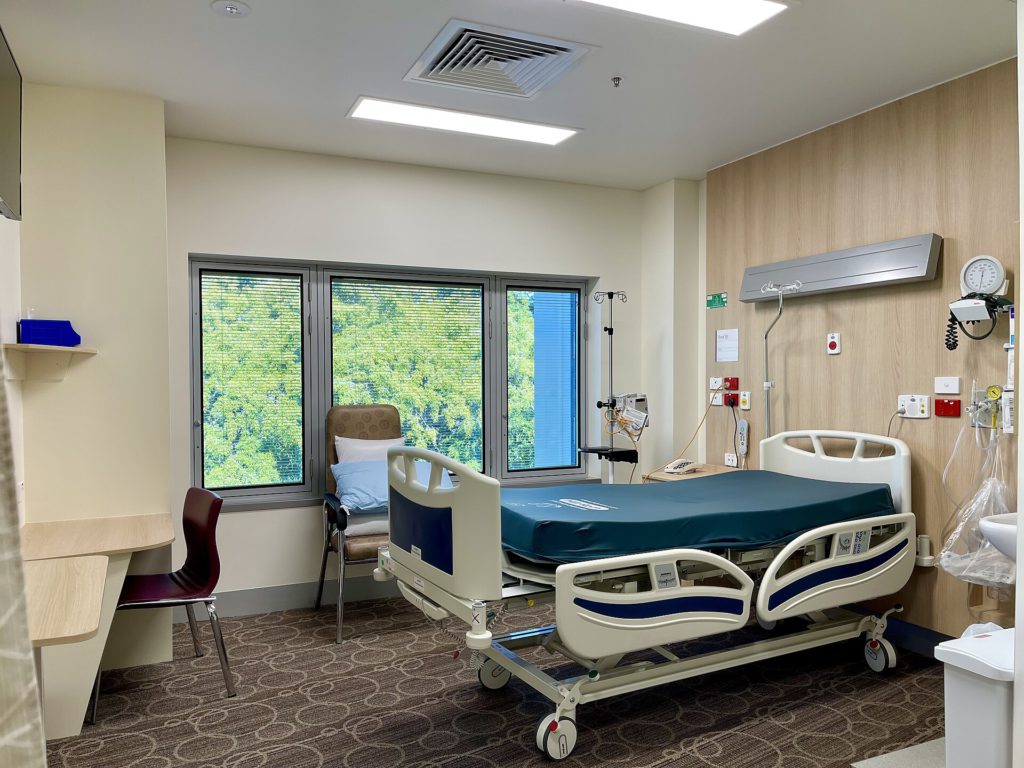
The technology in question, known as Oxevision, uses infrared sensors and cameras to track patients in their bedrooms. The system is designed to monitor breathing and pulse rates without requiring staff to enter the room, a feature intended to reduce disturbance for patients. However, the inquiry heard that NHS England became aware of safety concerns linked to the use of this digital monitoring system as early as 2021.
Gareth Harry, the National Delivery Director for Mental Health, Learning Disability and Autism at NHS England, told the inquiry that concerns had been raised regarding consent, patient observations, and human rights. An internal email from 2022 revealed that staff were aware of trusts where patients were not being given the choice to refuse being filmed.
In response to these growing concerns, NHS England wrote to mental health trusts in 2023. The guidance stated that monitoring technology should not be introduced as a blanket approach. Instead, decisions should be made on an individual basis for each patient, with their involvement in those decisions encouraged wherever possible.
Regulatory action and inquiry findings
A review of practice, prompted by concerns raised by the campaign group Stop Oxevision, found that 10 mental health trusts were not operating their consent mechanisms in line with digital principles. The specific trusts that have been referred to the regulator have not been named.
On 2 October, NHS England wrote to the CQC and shared the findings with inspection teams. Harry stated that day-to-day responsibility for following the guidance sat with individual trusts rather than NHS England. When questioned by counsel to the inquiry, Teniola Onabanjo, about why it took several years for action to be taken, Harry maintained that the oversight was not ineffective.
Onabanjo asked Harry if NHS England recognized that enthusiasm for innovation might outpace the scrutiny of consent and ethics. Harry responded that every provider of mental health services should have values and behaviors driven by a human rights approach to mental healthcare.
A CQC spokesperson confirmed that providers have a responsibility to offer safe, high-quality care in line with relevant guidelines. The regulator stated it considers all information of concern shared with it and will take action if a provider falls short. The CQC is scheduled to give evidence to the Lampard Inquiry on 7 October.
Laura Cozens from LIO Health, the company behind Oxevision, previously told the inquiry that the technology had helped prevent serious incidents, including falls on a dementia ward. She emphasized the importance of properly explaining the technology to patients. The current hearings are expected to continue until 15 October, with a further hearing for families on 20 October. Baroness Lampard has indicated she could issue interim recommendations if urgent patient safety concerns are identified before the final report, which is due in 2028.
Source: BBC
