


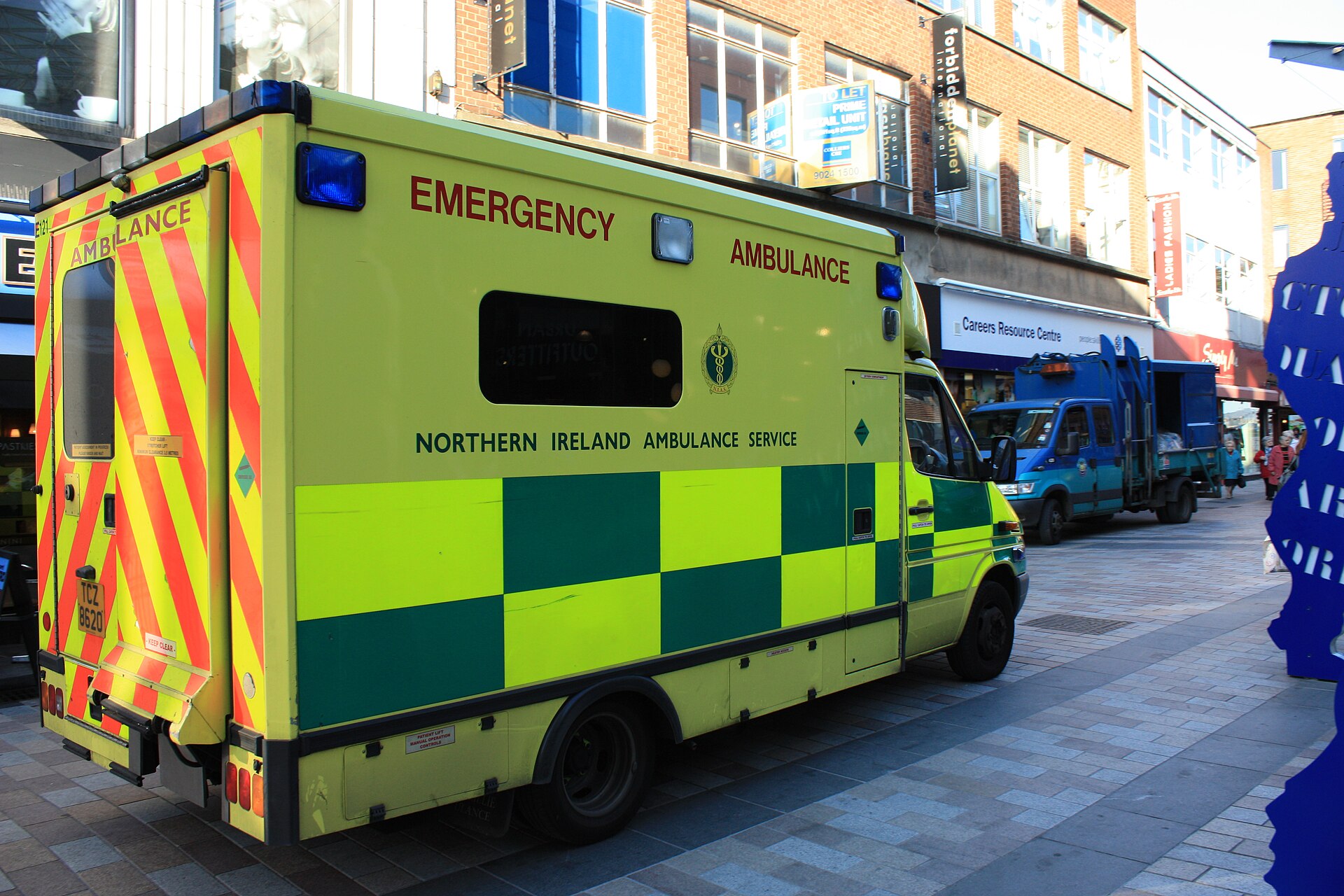
The Release to Rescue initiative, designed to ensure ambulances can offload patients within two hours, has struggled to meet its targets in Northern Ireland. Data shows that the limit was breached more than 2,000 times between May and August, the first four full months of the scheme’s operation.
Despite these breaches, the Department of Health stated the program has delivered improvements compared to the previous year. In the same period last year, there were over 6,000 waits lasting two hours or longer. The goal of the protocol is to free up ambulance crews so they can respond to new emergency calls more quickly.
Winter Pressures and Patient Flow
Medical experts warn that achieving the two-hour target will be difficult as the region enters the colder months. Dr. Michael Perry from the Royal College of Emergency Medicine noted that demand typically rises due to seasonal illnesses. He argued that the system should naturally allow for timely offloading if patient flow through hospitals was efficient.
“If we had a flowing system where patients moved in a timely fashion, where there was space in emergency departments, ambulances would offload as soon as they arrive,” Perry said. “To meet the requirement to offload ambulances in that timely fashion, it is going to be very challenging for us.”
Norman Cunningham, a union representative for the Northern Ireland Ambulance Service, highlighted that demand for ambulance services increases by 3% to 5% annually. He emphasized that the core issue is not just the time ambulances spend outside hospitals, but the delays for seriously ill patients waiting at home for a response.
Personal Stories and Operational Challenges
The impact of these delays is evident in individual cases. William Murphy, an 85-year-old man from County Down, waited over 12 hours for an ambulance after falling ill in September. His son, Ronnie Murphy, described his father deteriorating while they waited for help. Ronnie noted that the emergency department at the Ulster Hospital was overcrowded, with patients sitting and lying on floors.
The Northern Ireland Ambulance Service apologized for the delay, acknowledging that demand exceeds current capacity. They admitted that while the protocol has provided some benefits, more focus is needed to reduce turnaround times further. The South Eastern Health Trust, which oversees the Ulster Hospital, expressed regret over the family’s experience but confirmed that Mr. Murphy received appropriate care once admitted.
Operational pauses of the protocol have been rare. The South Eastern Health Trust briefly paused the policy at the Ulster Hospital on September 1 after an exceptionally busy bank holiday, during which 23 ambulances breached the limit. This remains the only instance of a health trust pausing the policy since its introduction. Other trusts, including the Northern, Western, and Belfast Health Trusts, confirmed they have not paused the protocol.
Financial constraints add another layer of complexity. The Department of Health has requested savings of up to 12% across health trusts over three years. A savings plan for the ambulance service indicates that £5.2 million of its 2026-27 budget depends on the continued success of the Release to Rescue protocol. The document warns that if other trusts reduce support for the initiative, it could directly impact response performance and expenditure.
Source: BBC
