


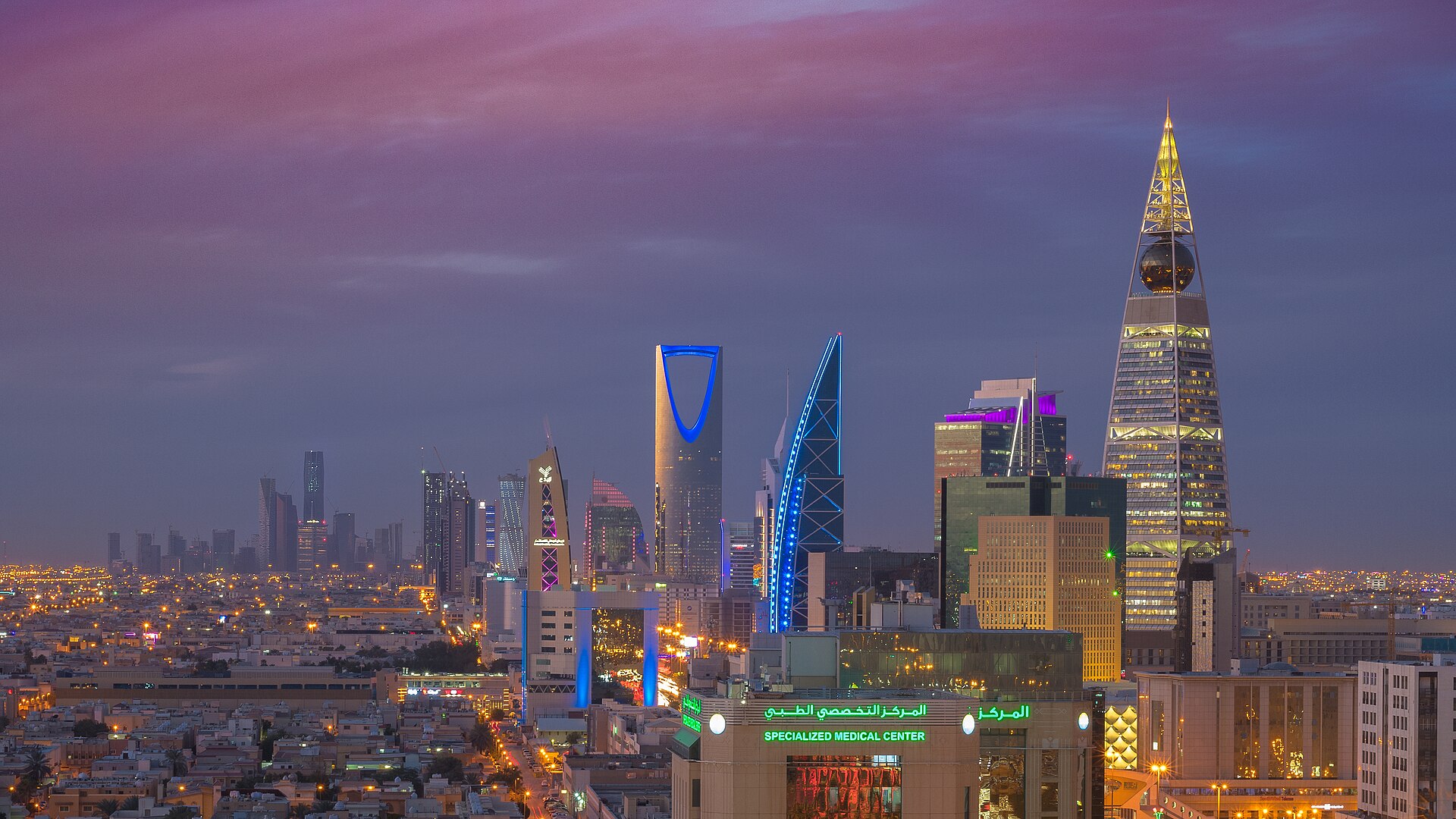
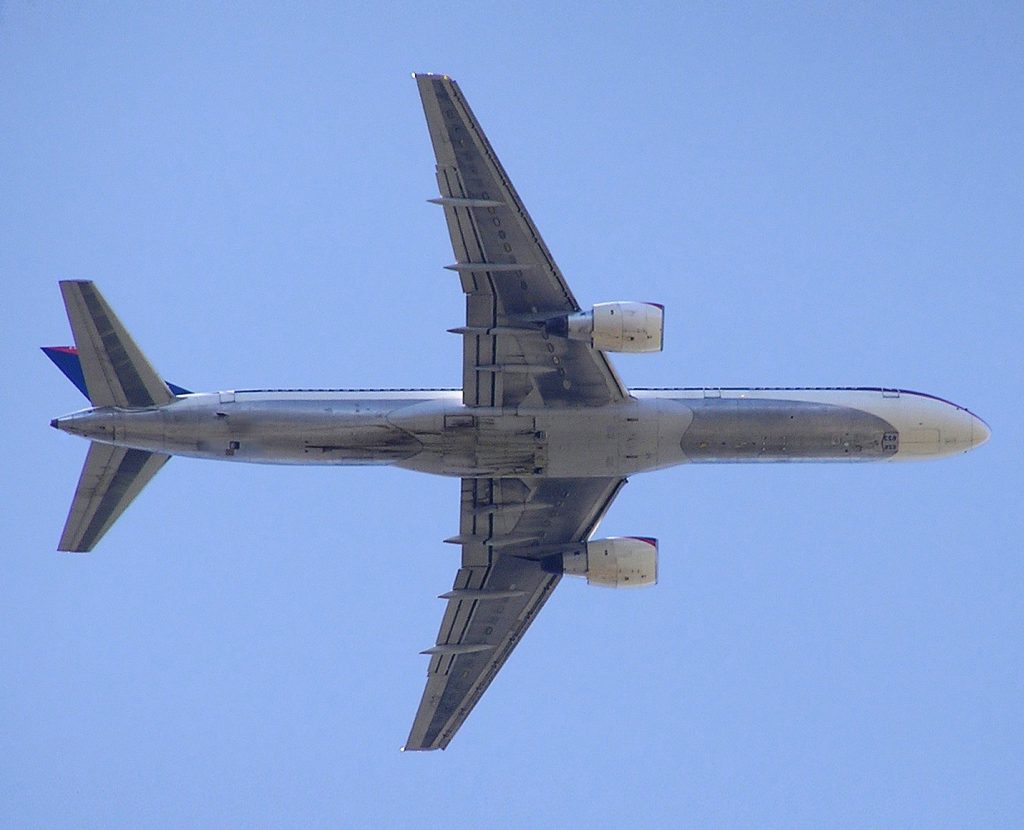
Saudi Arabia is facing higher expenses to attract international visitors as security concerns disrupt travel infrastructure. Delta Air Lines is scheduled to launch nonstop service from Atlanta to Riyadh on October 23. This marks the first direct flight between the United States and the Saudi capital. The launch comes just days after a deadly strike on King Khalid International Airport forced another suspension of operations.
Delta Launches Amid Security Concerns
An attack on October 10 killed at least 12 people and injured more than 300, according to Saudi authorities. Iran-backed Houthi forces in Yemen claimed responsibility for earlier strikes on the airport. Delta has not announced any postponement of its October 23 flight. The airline had previously offered one-way award seats for 15,000 miles in August to encourage early bookings. This aggressive pricing strategy aimed to introduce travelers to the destination despite the regional instability.
Other carriers have taken a different approach. Virgin Atlantic, which is 49% owned by Delta, cancelled its London to Riyadh service in April. The airline cited the ongoing conflict, safety assessments, and the difficulty of maintaining a reliable schedule as reasons for the cancellation. The divergence in strategies highlights the uneven impact of the war on the region’s aviation sector.
Uneven Impact on Airlines and Events
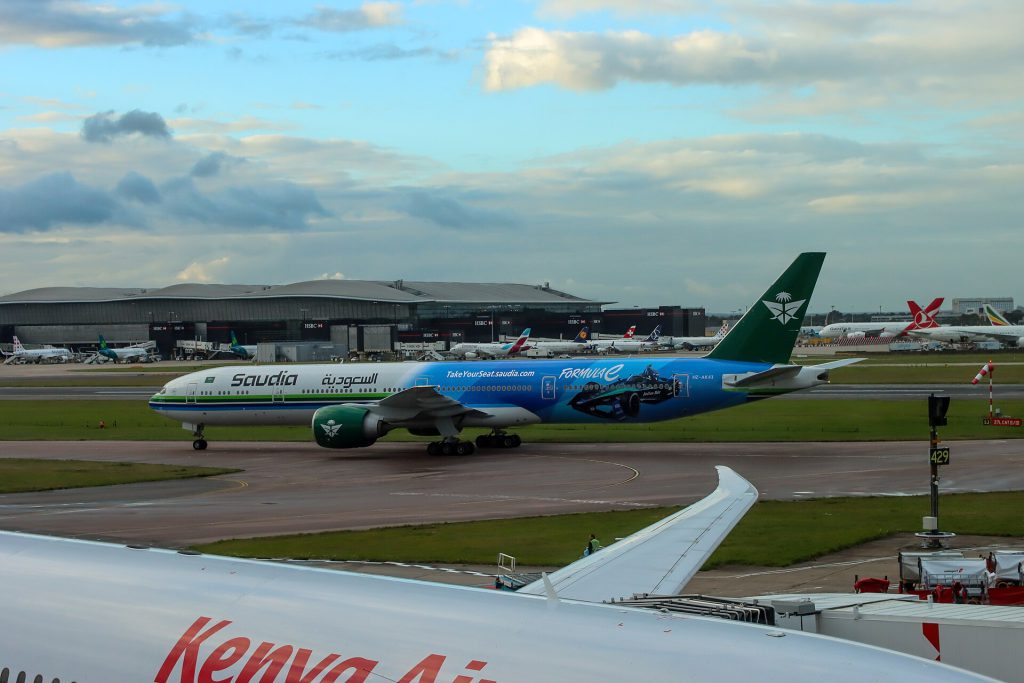
The disruption is affecting different segments of the Saudi travel market in distinct ways. Almosafer, a major regional carrier, reported that booking value for Hajj and Umrah pilgrimages rose 43% in the second quarter. At the same time, its corporate and government bookings fell 25%. Flynas, another key player, cut capacity by 15% and carried 27% fewer passengers. The airline posted a net loss of SAR 241 million, or $64 million, as costs per seat kilometer rose 48%.
Major events are also adjusting to the security environment. Routes World moved its October conference from Riyadh to Frankfurt. Organizers of the World Petroleum Congress suggested that delegates fly into Dammam and drive to their destinations. These shifts indicate a growing reluctance to host large international gatherings in the capital.
Long-Term Strategy Under Pressure
Saudi Arabia still starts from a large base of tourism activity. The country recorded 93.3 million domestic tourists and 29.3 million international visitors in 2025. Airport passenger traffic reached 140.9 million. The government has set a target of 330 million annual visitors by 2030. The Public Investment Fund’s 2026 to 2030 strategy calls for more discipline and attention to returns on investment.
The rising cost of attracting visitors raises questions about the sustainability of the tourism model. The strategy relies on long-haul flights, major events, and new hotel developments. It remains unclear how much of this business can pay for itself without continuing state support. The war is changing the economics of Saudi tourism by increasing operational risks and reducing the pool of willing international travelers.
Source: Skift
