


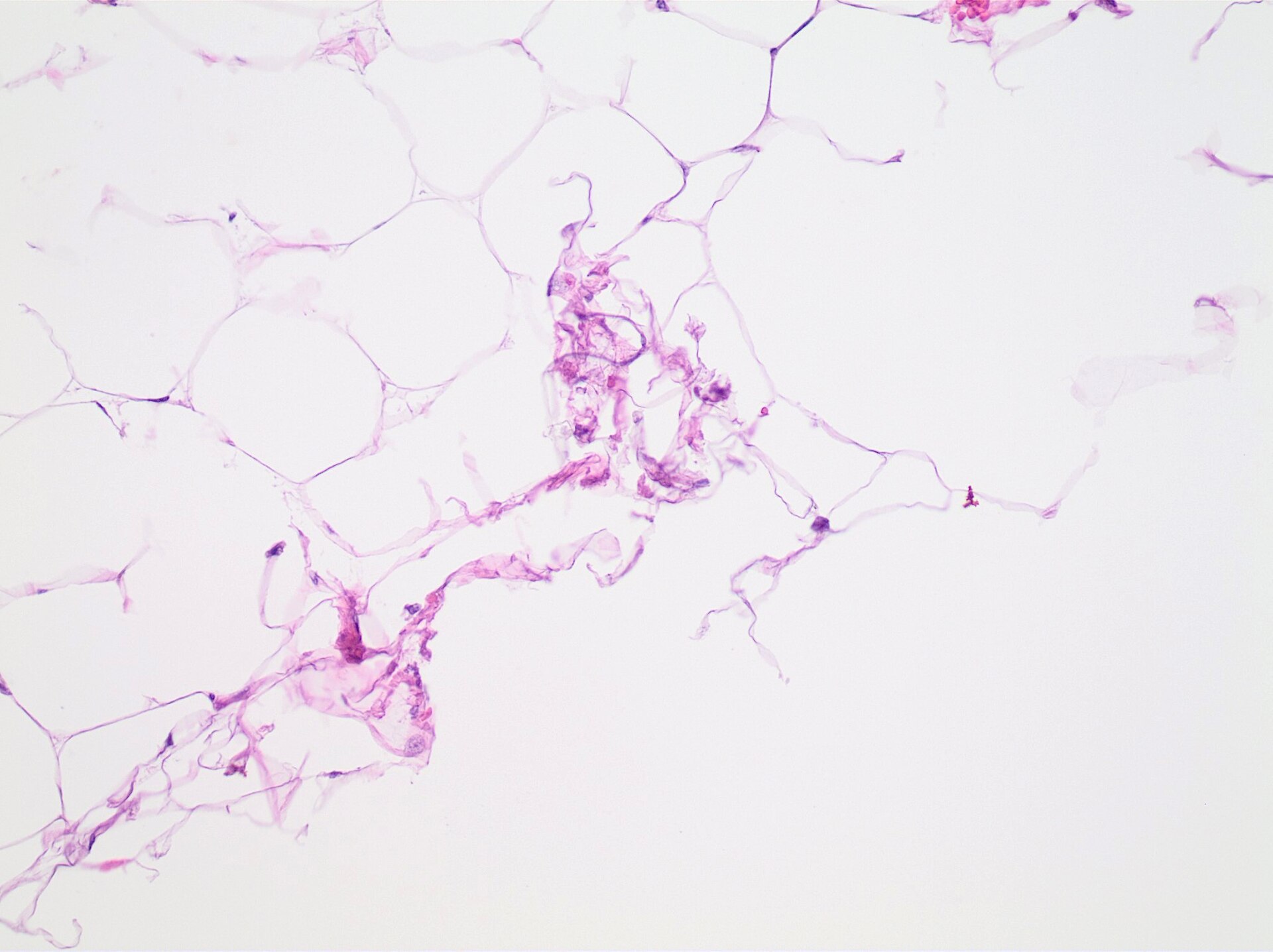
Researchers at the State University of Campinas (UNICAMP) have found that just seven days of strength training is enough to shrink fat cells in obese mice, even when their total body weight remains unchanged. The study, published in the journal Life Sciences, isolates the direct metabolic effects of exercise by examining biological changes that occur before visible weight loss takes place.
The research team focused on mesenteric adipose tissue, which surrounds the intestines. This tissue serves as a primary model for visceral fat in humans, the type of fat that accumulates deep within the abdomen around vital organs. Unlike subcutaneous fat, which sits just under the skin, visceral fat is linked to higher risks of metabolic disease because it can release inflammatory substances into the bloodstream.
Isolating Exercise Effects from Weight Loss
To understand the immediate impact of physical activity, the scientists designed an experiment that kept diet constant. They used two groups of obese male mice, both fed a high-fat diet. One group remained sedentary, while the other underwent a specific strength training regimen. By maintaining identical caloric intake, the researchers could attribute any biological changes directly to the exercise rather than to a reduction in food consumption.
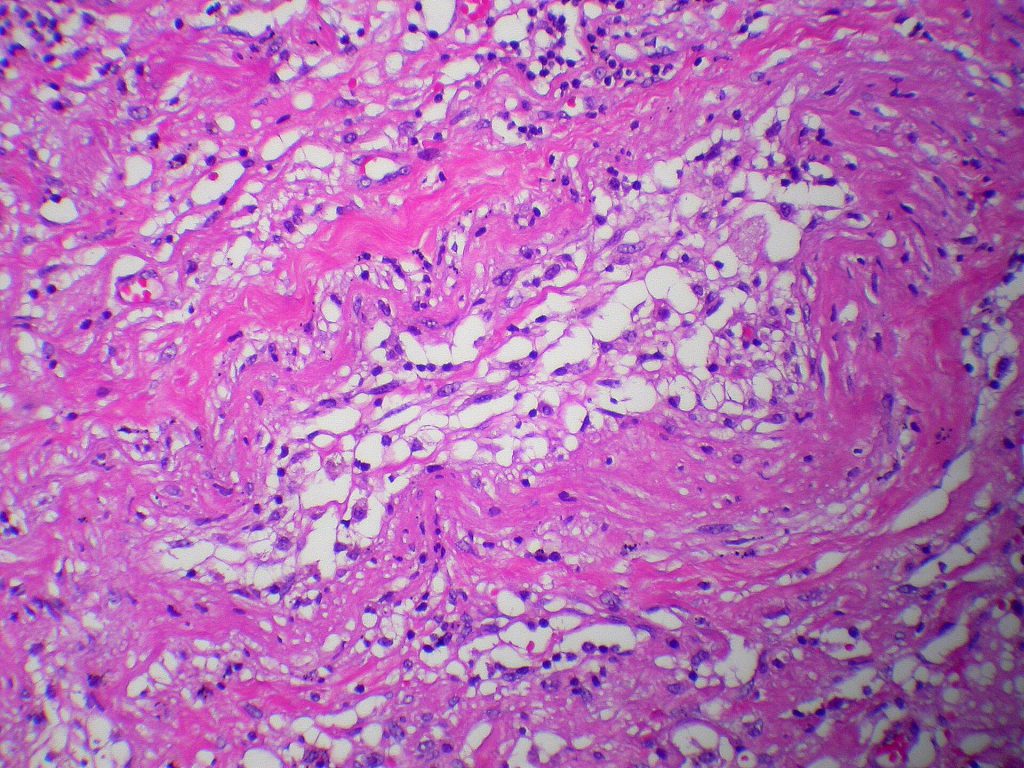
The training protocol involved the mice climbing a 70-centimeter staircase while carrying weights attached to their tails. Each session consisted of 20 climbs performed at 70% of the animal’s maximum capacity, with rest periods of 60 to 90 seconds between climbs. The animals completed seven sessions in total. This method was chosen to mimic the intense muscle contractions associated with human strength training.
Despite no change in total body weight, the exercising mice showed a significant reduction in mesenteric adipose tissue. Their adipocytes, or fat cells, were notably smaller than those in the sedentary obese group. This shrinkage indicates a shift toward a healthier metabolic state, as chronically stressed, enlarged fat cells are known to disrupt normal bodily functions.
Molecular Shifts in Fat Breakdown
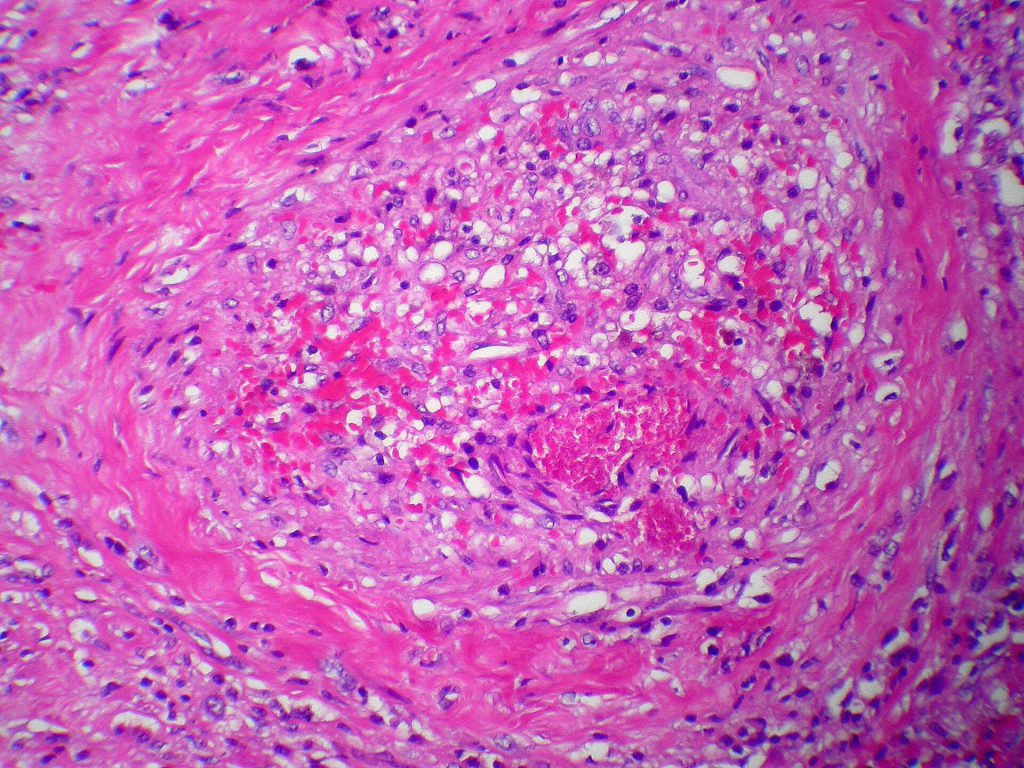
At the molecular level, the study identified specific changes in the proteins responsible for lipolysis, the process of breaking down stored fat for energy. Obesity had previously disrupted these proteins, but the short training period helped restore their function. The researchers observed increased interaction between ABHD5 and ATGL, an enzyme critical for the first stage of triglyceride breakdown.
The study also noted a lower expression of the Scd1 gene, which plays a role in producing fat molecules. This suggests that the body becomes less inclined to store incoming calories as fat shortly after beginning a strength training routine. Leandro Moura, a professor at UNICAMP and coordinator of the Exercise Cell Biology Lab, noted that these findings challenge the common belief that strength training is primarily for building muscle while aerobic exercise handles fat loss.
“People tend to think that if they’ve been strength training for two months and haven’t lost weight, it hasn’t done any good,” Moura said. “But what we saw in this study is that after just seven days of strength training, even when there was still no weight loss, the molecular pathways that promote fat accumulation were less active, while those that stimulate fat breakdown were more active.”

The researchers caution that these results are based on a single animal model and a very short timeframe. Future studies will track animals over longer periods to see how these early changes evolve once actual weight loss begins. The team is also investigating how exercise affects other fat deposits, including those around the heart. For now, the data provides a clear biological explanation for why strength training remains a vital component of metabolic health, regardless of immediate scale readings.
Source: ScienceDaily
