


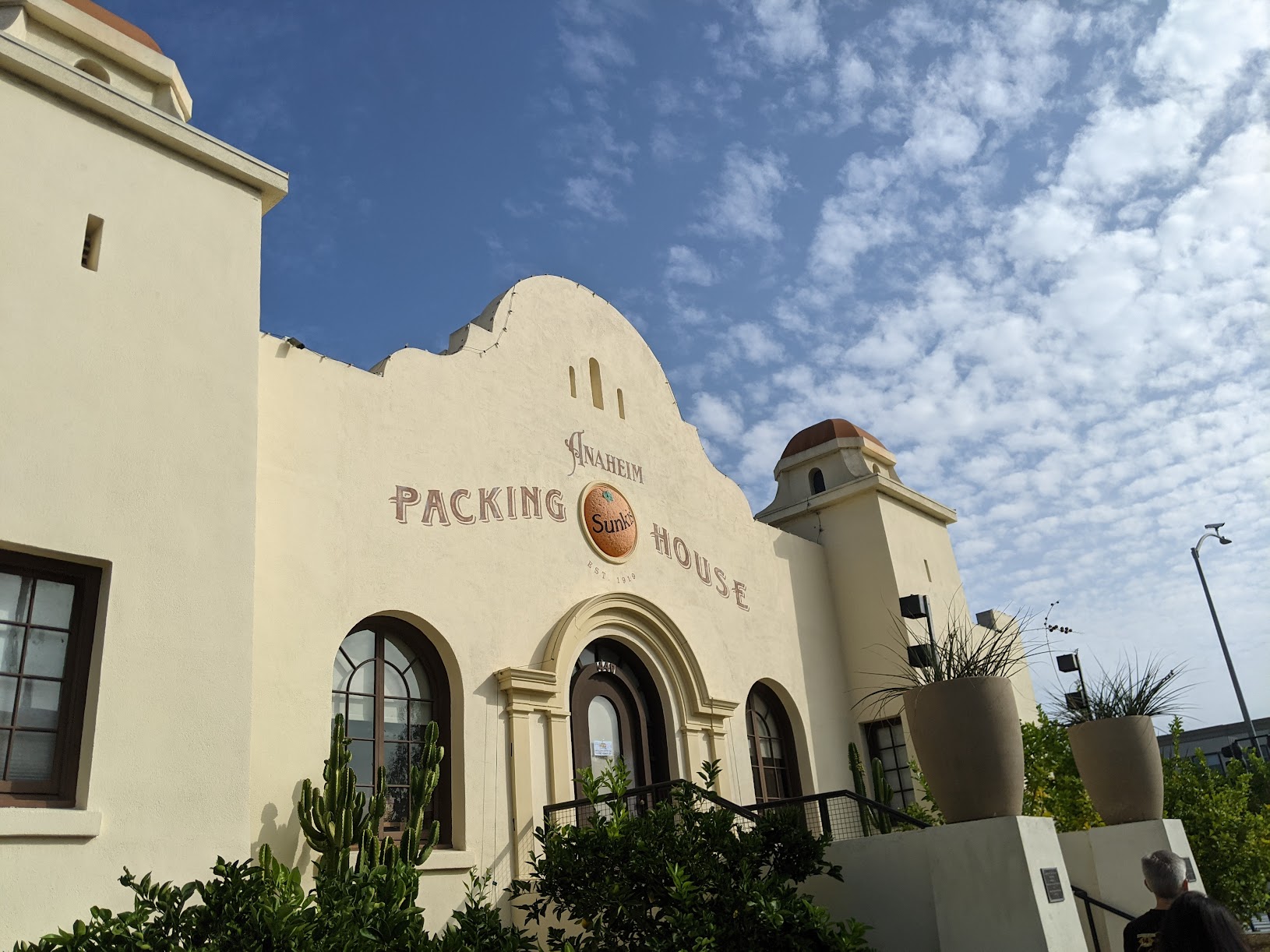
TeamLab Anaheim is set to become the first permanent home for the Japanese digital art collective in the United States. The project, which is projected to open in 2030, was announced on Thursday following a deal reported by Bloomberg. The Samueli family, billionaires who own the NHL team the Anaheim Mighty Ducks, have agreed to invest more than $100 million into the initiative.
OCVIBE Development and Honda Center Area
The art space will be a central component of the OCVIBE development, a massive $5 billion project transforming approximately 100 acres of land surrounding the Honda Center. This area, located about 30 miles south of Los Angeles and a short drive from Disneyland, is being converted into a multiuse district. The broader plan includes housing, office spaces, hotels, and an entertainment district.
According to reports, the Samueli family will fully fund the construction of the TeamLab Anaheim facility. The building itself is being designed by Smith-Clementi, an architecture firm based in California. The developers have released initial renders of the space, aiming to create a venue that matches the cultural impact of the collective’s existing international locations.
Global Reach and Visitor Numbers
Founded in Tokyo in 2001 by Toshiyuki Inoko, TeamLab operates as an international collective. Its team includes artists, programmers, engineers, CG animators, mathematicians, and architects who work together to explore the intersection of art, science, technology, and nature. The group has previously established permanent exhibition spaces in Macao, Shanghai, Beijing, Jeddah, and Hamburg.
The collective’s popularity is evident in its recent attendance figures. TeamLab reported that its two locations in Tokyo attracted over 4.2 million visitors in 2025. The Anaheim project aims to replicate this success in the U.S. market, leveraging the high tourist traffic in the Orange County area.
The opening of this permanent venue marks a significant expansion for the group, which has previously relied on temporary or touring exhibitions in the United States. The 2030 timeline allows for extensive development of the surrounding OCVIBE district, ensuring the art space is integrated into a larger community and entertainment hub.
Source: The Hollywood Reporter
