


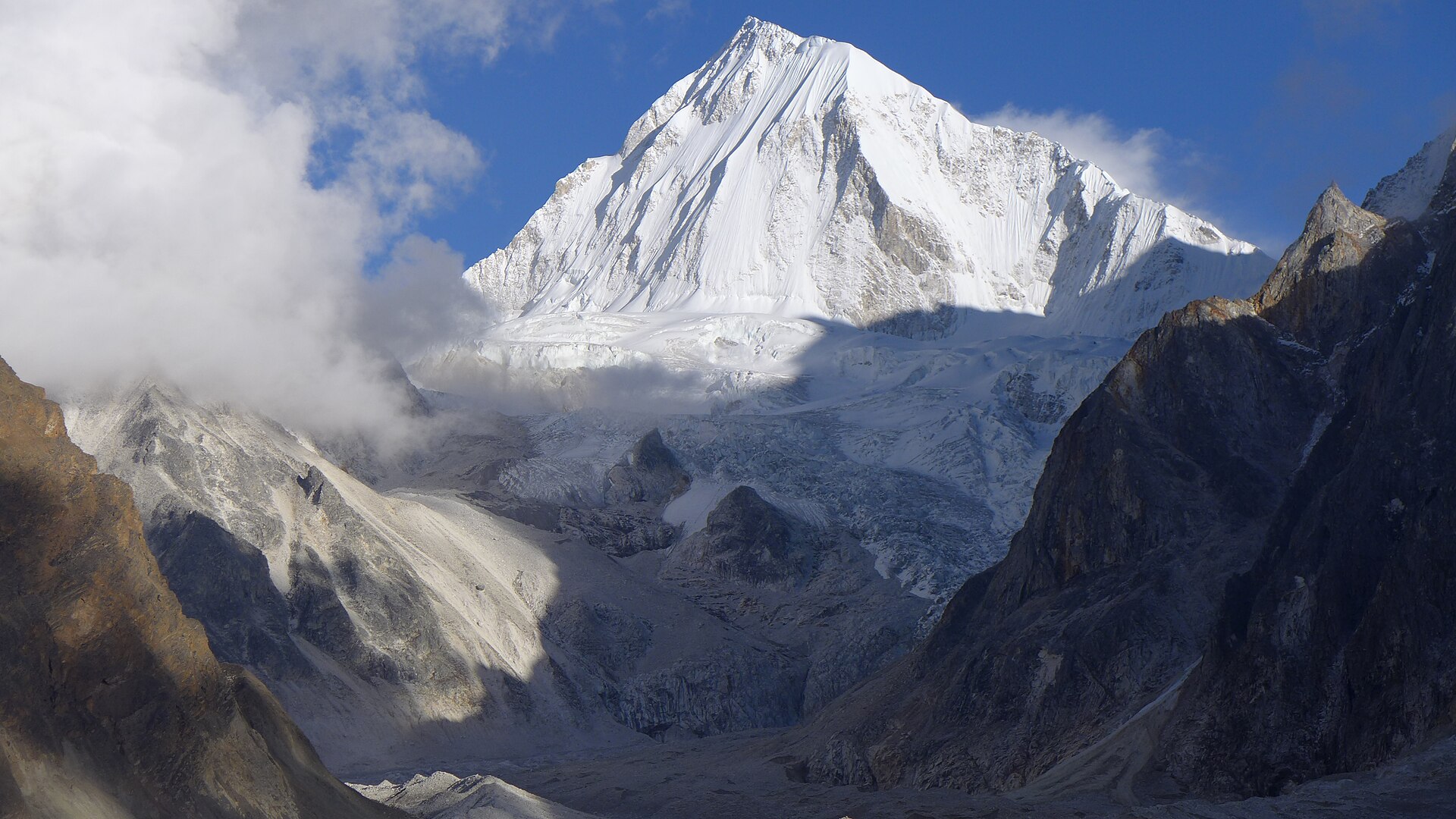
Himalayan tour operators are fundamentally changing how they manage risk after two catastrophic events struck the region just before the peak trekking season. An avalanche at a base camp on September 27 killed at least 15 people, while a massive glacial flood downstream from Nepal’s Langtang national park left at least 1,455 dead and more than 5,285 missing as of October 5.
The disasters have exposed the extreme vulnerability of the destination itself. Operators are no longer just absorbing cancellations or rerouting itineraries. They are confronting a landscape where melting ice and unstable terrain are becoming permanent business hazards.
Systemiq Report Highlights Glacial Instability
A report published by consultancy Systemiq, in partnership with the Integrated Mountain Initiative and India’s GB Pant National Institute of Himalayan Environment, provides a stark scientific backdrop to these tragedies. The study found that glaciers in the region are melting 65% faster than they were a decade ago.
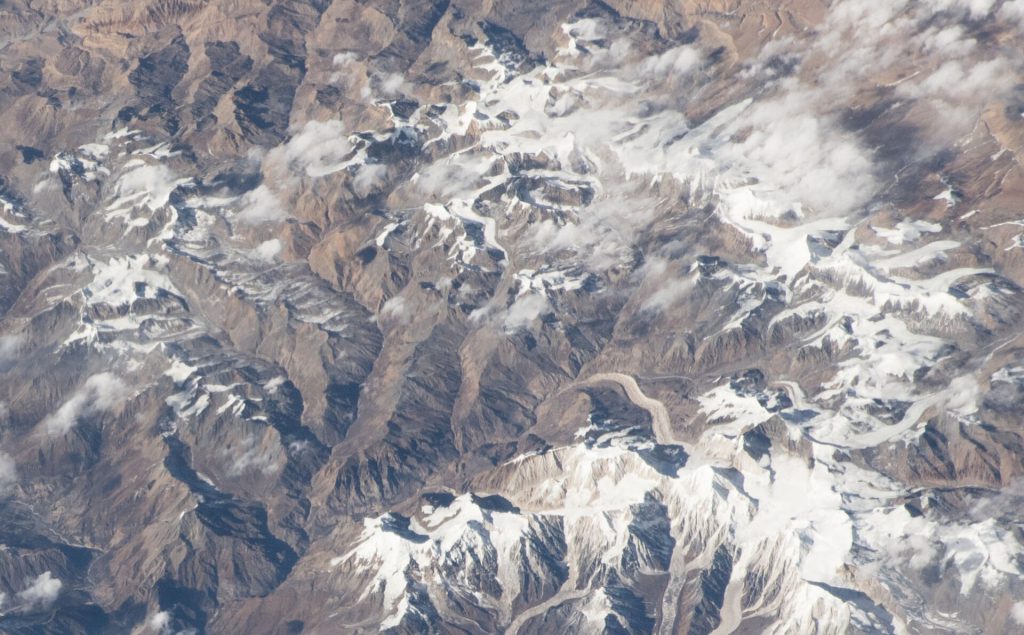
This rapid retreat leaves behind unstable lakes held back by loose rock and ice. These lakes sit above populated valleys and popular tourist areas, creating a high risk of sudden outburst floods. The September 27 avalanche at the Himlung Himal base camp in the Manang district occurred while staff were fixing ropes ahead of a trek. The Langtang flood, which happened a month earlier, was triggered by a glacial rock and ice collapse that registered a 5.2 magnitude tremor on the U.S. Geological Survey scale.
The monitoring infrastructure is severely lacking. The report notes that only about 0.1% of the estimated 40,000 glaciers in the region are monitored. Deeptanshu Kotru, project lead at Systemiq, told Skift that the solution requires risk-based monitoring of the most dangerous glaciers and lakes. This must be paired with early warning systems that can trigger road closures and evacuations before disasters strike.
Operators Absorb Costs and Reroute Expeditions
While systemic changes are being proposed, tour operators are currently managing the immediate fallout. Furtenbach Adventures has canceled several expeditions and rerouted climbs. The company is not offering refunds for weather-related cancellations, citing its existing booking terms. This approach shifts the financial burden of climate volatility directly onto the business.
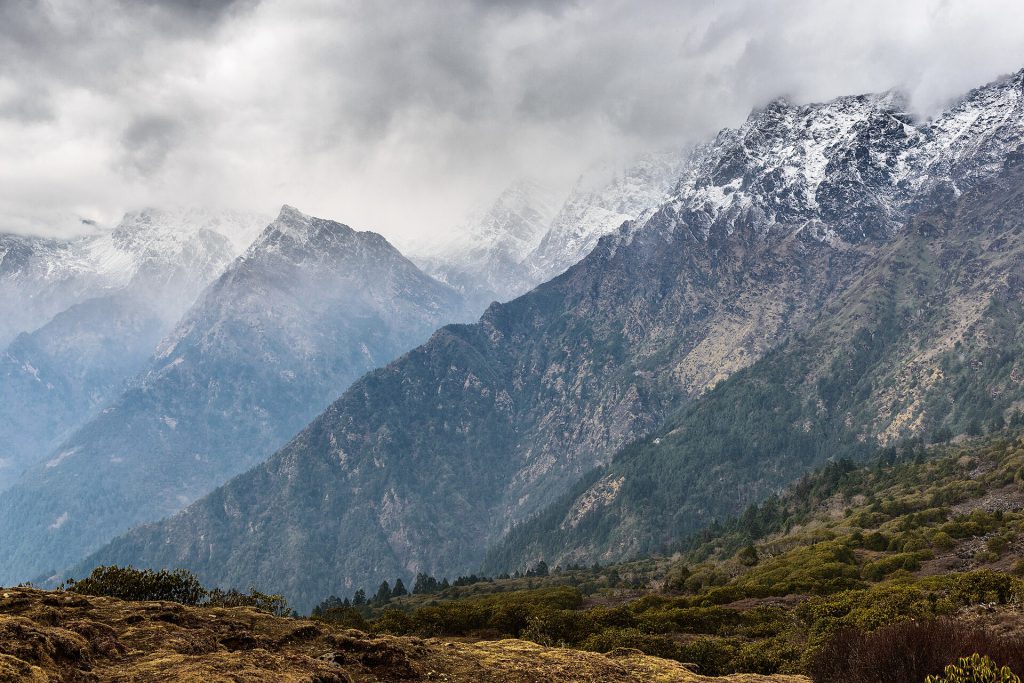
Intrepid Travel has taken a more hands-on approach. The company sent its local operations manager to drive along damaged roads to assess conditions firsthand. This manager is now deciding which routes can be safely rerouted and which must be canceled entirely. These decisions are made in real time, as the physical infrastructure of the trekking routes is often compromised by mud, rock, and ice.
The financial impact extends beyond immediate cancellations. The fragility of the destination means that even if routes are rerouted, the experience may be altered significantly. Tourists are paying for access to specific peaks and valleys that are now physically inaccessible or deemed too dangerous.
Shifting Metrics for Tourism Value
The Systemiq report argues for a fundamental shift in how the industry measures success. Instead of focusing on footfall, the report suggests measuring Himalayan tourism by the value each visitor leaves behind. It cites an eight times societal benefit-cost ratio for regenerative tourism compared to current management practices.
This perspective challenges the traditional volume-based model of trekking tourism. It suggests that fewer visitors who contribute to local stability and environmental preservation are more valuable than large groups that strain fragile infrastructure. The recent disasters have accelerated this conversation, as the physical toll on the region becomes impossible to ignore.
As the trekking season continues, operators will likely face more difficult decisions. The combination of faster melting glaciers and inadequate monitoring means that risks will remain high. The industry is now forced to adapt its business models to a landscape that is changing faster than its safety protocols can keep up.
Source: Skift
