


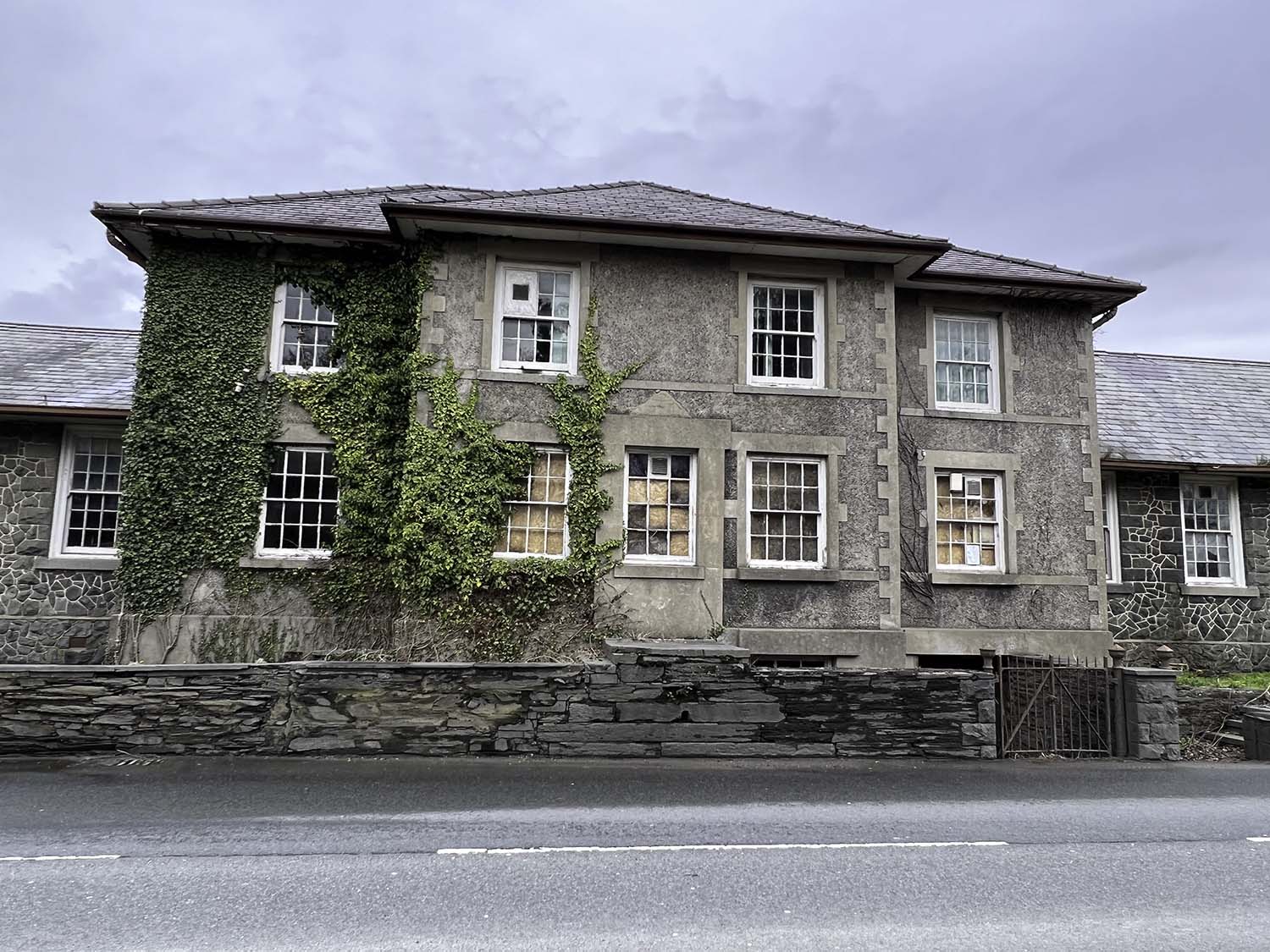
Political leaders and local officials in north-west Wales are voicing strong opposition to plans by the Betsi Cadwaladr University Health Board to close urgent primary care centres at three hospitals. The proposed closures, which could take effect by 31 March 2027, have drawn sharp criticism from Members of Parliament and Senedd members who argue the move would severely strain existing medical services.
Political Opposition to Service Reduction
The health board confirmed it is consulting on ending urgent primary care centre services at Ysbyty Penrhos Stanley in Holyhead, Ysbyty Alltwen in Tremadog, and Ysbyty Gwynedd in Bangor. These facilities, established in 2022, are staffed by advanced nurse practitioners, general practitioners, and physiotherapists to treat same-day urgent health problems.
Llinos Medi, the Plaid Cymru Member of Parliament for Ynys Môn, joined Reform Wales leader Helen Jenner and Conservative Member of the Senedd Janet Finch-Saunders in writing to the health board. They expressed deep concern that the closures would remove a critical layer of support for patients who cannot secure immediate appointments with their general practitioners.
Finch-Saunders emphasized that these centres play a vital role in relieving pressure on accident and emergency departments. She warned that without this support, waiting times could increase, potentially leading to significant delays in treatment for vulnerable patients.
Financial Pressures and Recruitment Struggles
The health board cited ongoing financial pressures and difficulties in recruiting staff as the primary drivers behind the proposal. Carol Shillabeer, the chief executive of Betsi Cadwaladr University Health Board, stated that the organization is reviewing the current provision of services and engaging with staff to determine the future approach.
Shillabeer noted that access to urgent and emergency care remains a priority for the board. However, the health board has faced intense scrutiny in recent years, having spent nine years in special measures due to concerns about care quality, patient safety, and leadership. In June, the board was given a final chance to improve its standing.
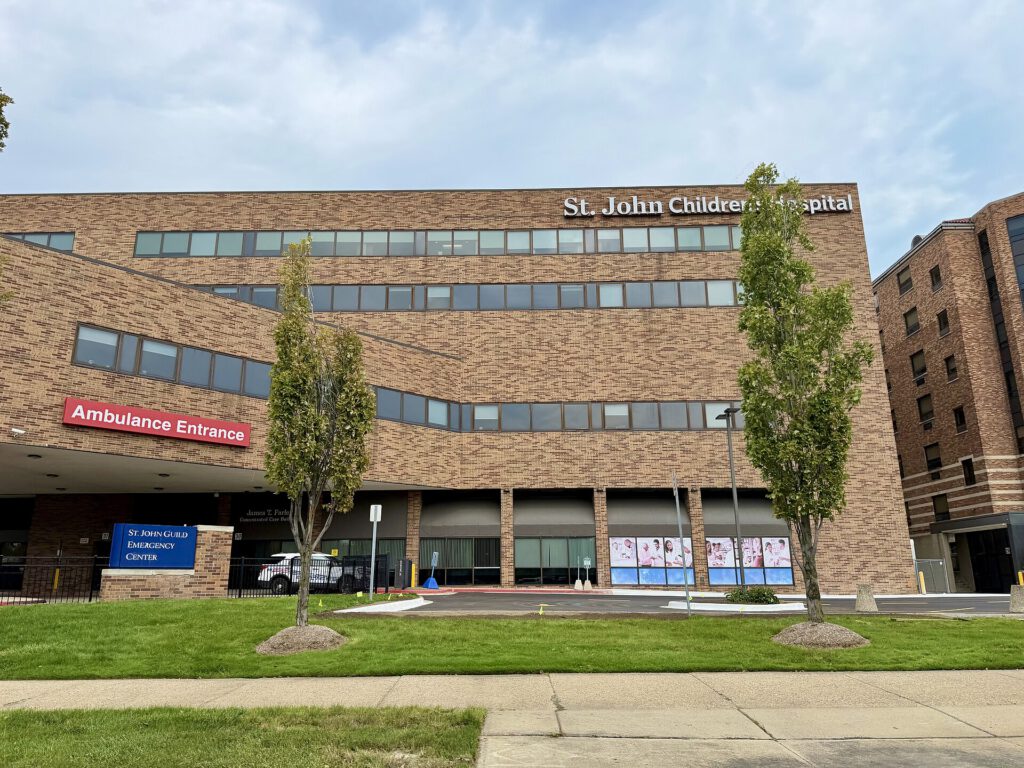
Local officials argue that the proposed closures ignore the reality of an already stretched healthcare system. Jeff Evans, a county councillor in Holyhead, described the potential loss of the facility as having dire consequences for the community. He warned that many patients would be forced to turn to GP surgeries and emergency departments that are already under significant pressure.
Evans stated that doctors and nurses are unable to cope with the current workload. He criticized the proposal as unacceptable for patients, staff, and the wider community, urging officials not to treat the region as a lower priority.
Impact on Local Communities
The proposed closures come at a sensitive time for Ysbyty Penrhos Stanley, which previously lost its four-bed hospice unit operated by St David’s Hospice in 2025. Local residents fear that removing another essential service will leave the community with inadequate access to immediate medical care.
The Welsh government stated that decisions regarding the configuration of local NHS services fall under the responsibility of the health board. A government spokesperson noted that the board is best placed to assess the needs of its population but expected the organization to engage openly and transparently with stakeholders.
The consultation process will continue over the coming months as the health board develops its final decision. The proposed changes would not affect urgent primary care services at Mold Community Hospital or Wrexham Maelor Hospital, which remain operational.
Source: BBC
