


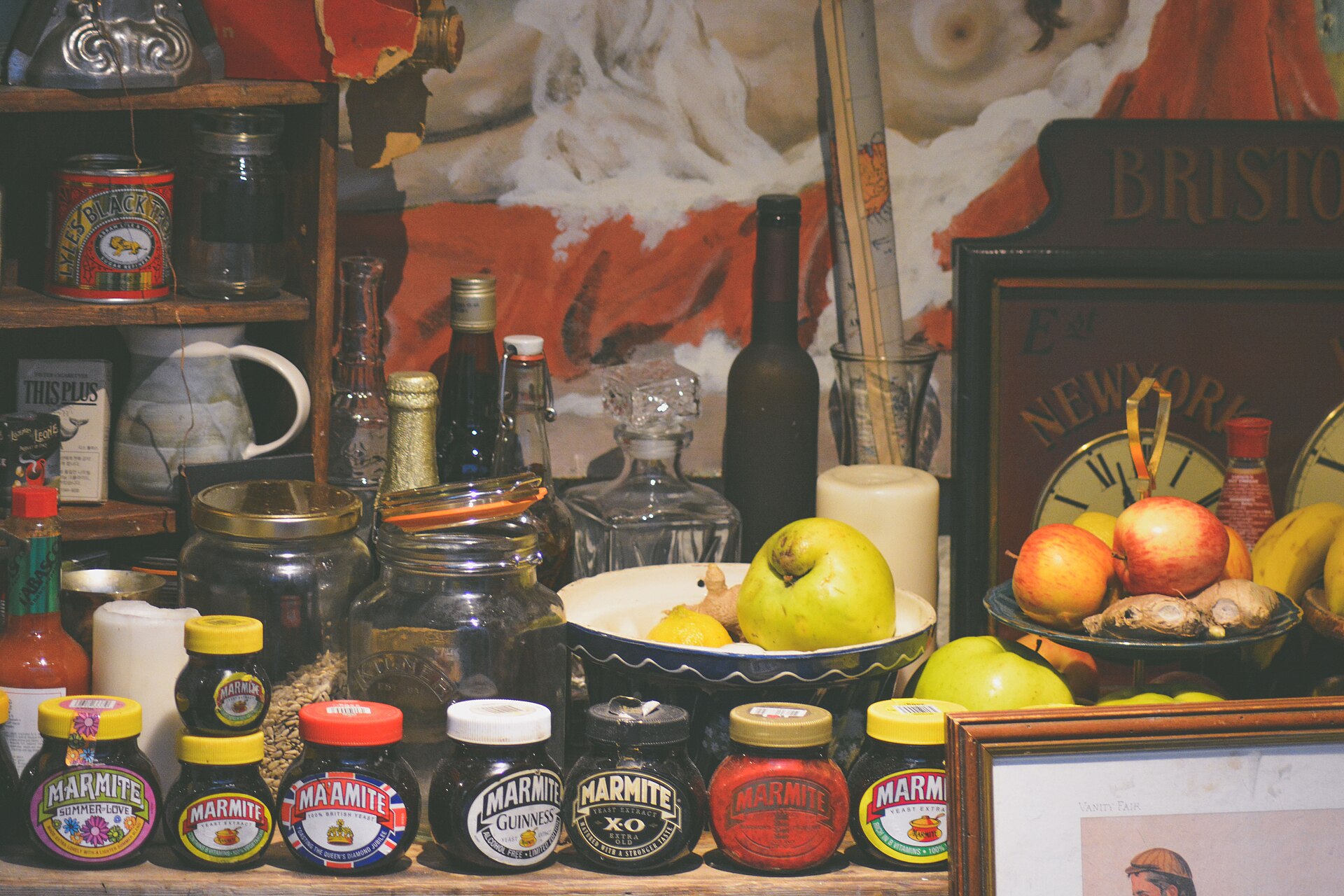
Food writer Rachel Roddy has highlighted the surprising Italian heritage behind the British comfort food staple, spaghetti with Marmite. The dish, often viewed as a quick pantry hack, is actually a modern adaptation of a traditional Italian method for using meat extract to flavour pasta.
Roddy, writing for The Guardian, explains that the recipe is a direct translation of spaghetti con l’estratto di carne from Ada Boni’s seminal cookbook, Il Talismano della Felicità (The Talisman of Happiness). The book, which was published in English last month, is described by editor Angela Frenda as one of the most precise and accurate cookbooks in existence.
The Italian Connection to Meat Extract
The link between the British spread and Italian cuisine was brought to Roddy’s attention by food historian Luca Cesari. During a dinner at St John in London, Cesari noted that the spirit and taste of using Marmite on pasta are nearly identical to Boni’s original instructions.
Boni’s recipe calls for dissolving a spoonful of meat extract in a small amount of boiling water and tossing it with boiled spaghetti, butter, and parmesan. Roddy describes the result as an “exquisite flavour” achieved with minimal effort. This technique mirrors pasta al sugo d’arrosto, a dish made from the pan juices and fat left after roasting a joint of meat, which are then diluted with water or wine to create a sauce.
While Boni’s version uses meat extract, the British adaptation substitutes Marmite, a concentrated yeast extract. Both ingredients share high levels of glutamic acid, or free glutamates, which provide the savoury umami taste. This chemical similarity explains why the substitution works so effectively, creating a double dose of umami when combined with salty parmesan cheese.
From Milan to London
The history of this specific pasta dish extends back to Anna del Conte, a Milan-born writer who moved to London in 1949. In her autobiography, Risotto and Nettles, del Conte described making spaghetti with butter, cheese, and Marmite, a dish she noted was loved by her children. Roddy speculates whether del Conte was aware of Boni’s earlier Italian version, though del Conte did write about pasta al sugo d’arrosto in her own work.
Del Conte’s influence later reached Nigella Lawson, who created her own version of the dish. Roddy followed Lawson’s approach but grounded it in the historical context provided by Boni and Cesari.
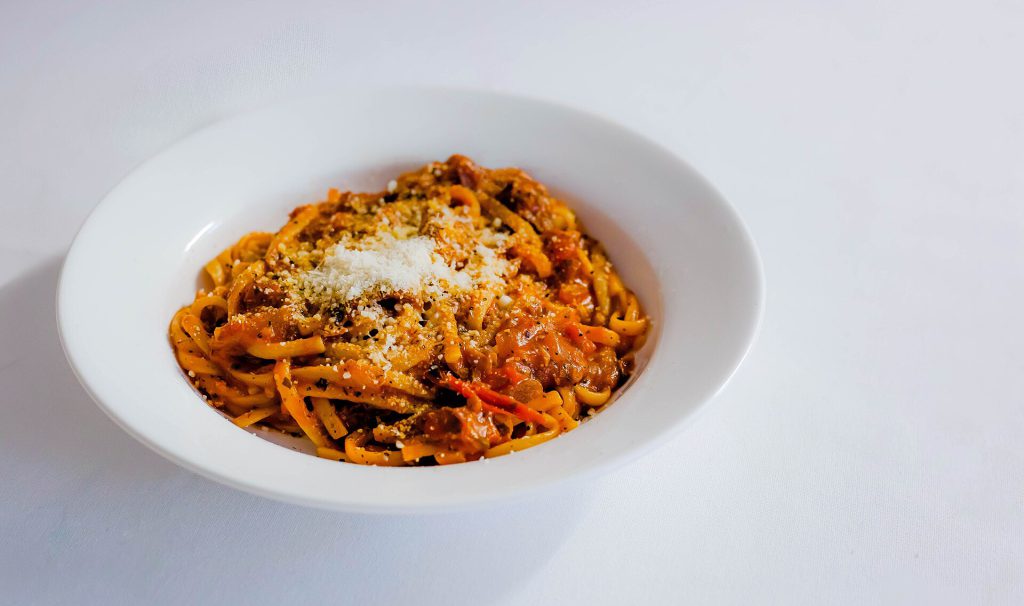
The preparation remains straightforward. Cook 400 to 500 grams of spaghetti in salted water, keeping in mind that both the Marmite and cheese will add significant saltiness. In a small saucepan, dissolve one to two teaspoons of Marmite, Bovril, or Vegemite in two tablespoons of water over low heat. Once the pasta is al dente, transfer it to a warm bowl with 60 grams of cubed unsalted butter and two to four teaspoons of grated parmesan or grana padano. Toss the ingredients well, pour the dissolved extract over the pasta, and add a splash of reserved cooking water to create a soft, slippery sauce.
This method offers a practical solution for those seeking a flavourful meal without lengthy preparation. By understanding the Italian roots of the dish, home cooks can appreciate the spaghetti with Marmite not just as a convenience food, but as part of a broader culinary tradition of maximising savoury flavours with simple ingredients.
Source: The Guardian
