


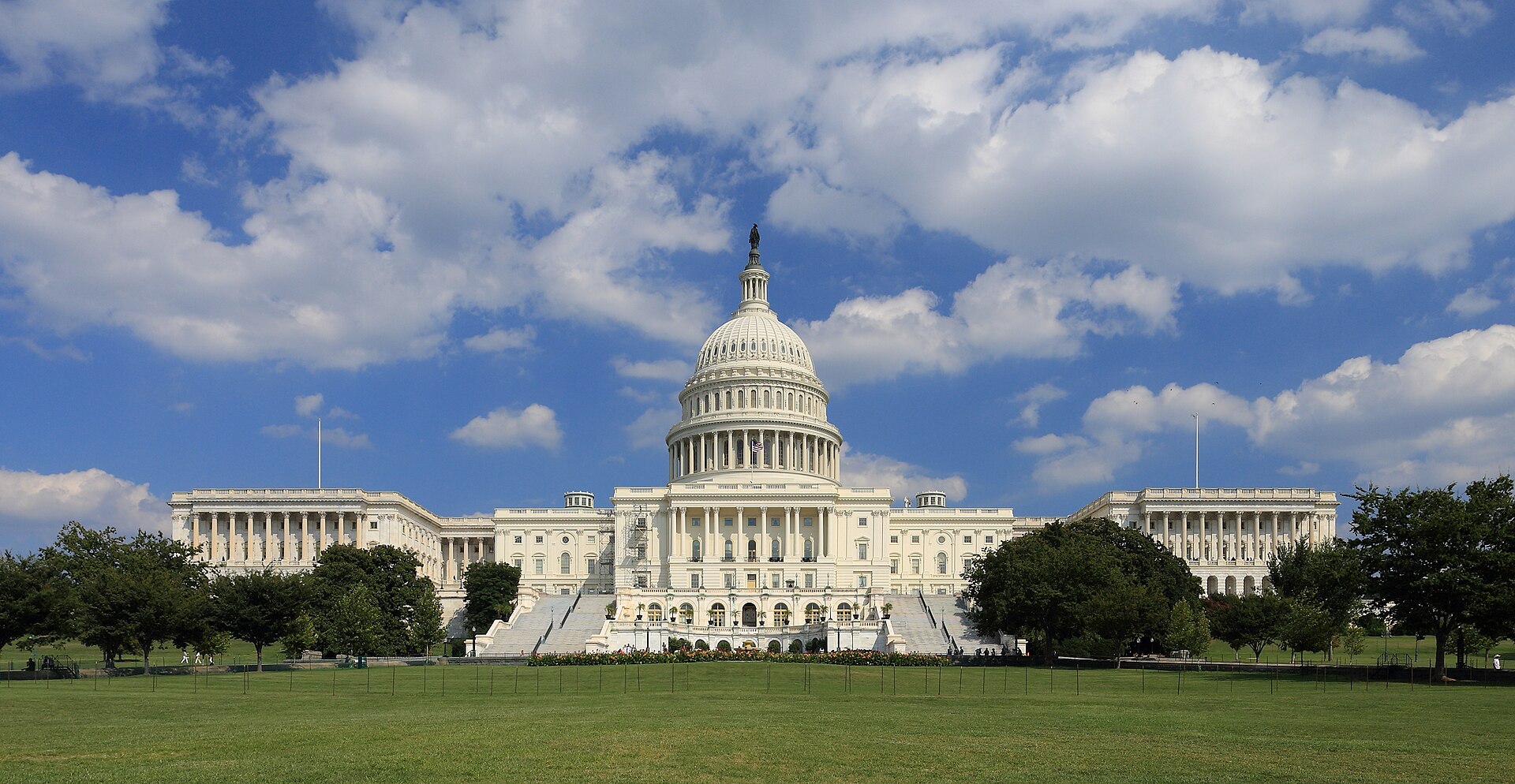
Representative Ritchie Torres of New York has announced plans to introduce legislation aimed at securing consumer rights in the digital gaming market. The proposed Power to the Players Act would direct the Federal Trade Commission to establish regulations ensuring that individuals retain the ability to play games they have purchased, rather than holding temporary licenses that can be revoked.
Addressing Digital License Risks
The announcement highlights the growing tension between digital distribution models and traditional concepts of property rights. Torres specifically cited the recent delisting of NBA 2K25 from digital storefronts as a primary example of the issues facing modern gamers. The basketball simulation title, released in 2024 for $70, is scheduled to be removed from sale on October 30. More significantly, the publisher plans to shut down the online servers supporting the game’s multiplayer modes in December, effectively ending access to core features for players who paid full price.
While the delisting of older titles is a common occurrence in the industry, the simultaneous removal of online infrastructure raises concerns about the longevity of digital purchases. The proposed legislation seeks to prevent such scenarios by mandating that companies provide offline modes for games when their servers are decommissioned. This approach aims to restore a historical norm where consumers could continue to use products they bought, even if the original digital storefronts or online services were no longer available.
Legal and Regulatory Hurdles
Despite the clear consumer advocacy angle, the bill faces significant legal and procedural obstacles. Torres has indicated that the legislation is intended to be a restoration of previous standards, potentially inspiring similar protections for other digital media such as books, movies, and music. However, the path to enactment is fraught with uncertainty.
Similar state-level efforts, such as a bill in California introduced earlier this year, have stalled in committee. Furthermore, the regulatory landscape for the Federal Trade Commission has shifted dramatically following a 2024 Supreme Court decision that overturned Chevron deference. This legal doctrine previously required courts to defer to federal agencies’ interpretations of ambiguous statutes. Its removal means the FTC now has far less authority to create new rules without explicit congressional direction. Legal experts suggest that the commission’s attempts to regulate the gaming industry could face immediate judicial challenges, similar to the block on its noncompete clause ban.
The Power to the Players Act remains in the planning stages and has not yet been formally introduced in Congress. Engadget has requested a draft of the bill and comment from Torres regarding the potential for judicial pushback. Updates will be provided as more details become available.
Source: Engadget
