


Meta has introduced Muse Spark Open, a new open-weight artificial intelligence model that the company describes as its most capable release in the United States. The model is specifically engineered to operate on Apple hardware, marking a strategic push into local computing environments for high-performance AI tasks.
According to evaluation data released by Meta on Thursday, the model leverages 816 billion parameters and supports a context window of one million tokens. The company claims these specifications allow it to outperform other popular open-weight alternatives in complex coding and agentic labor scenarios.
Hardware requirements for local deployment
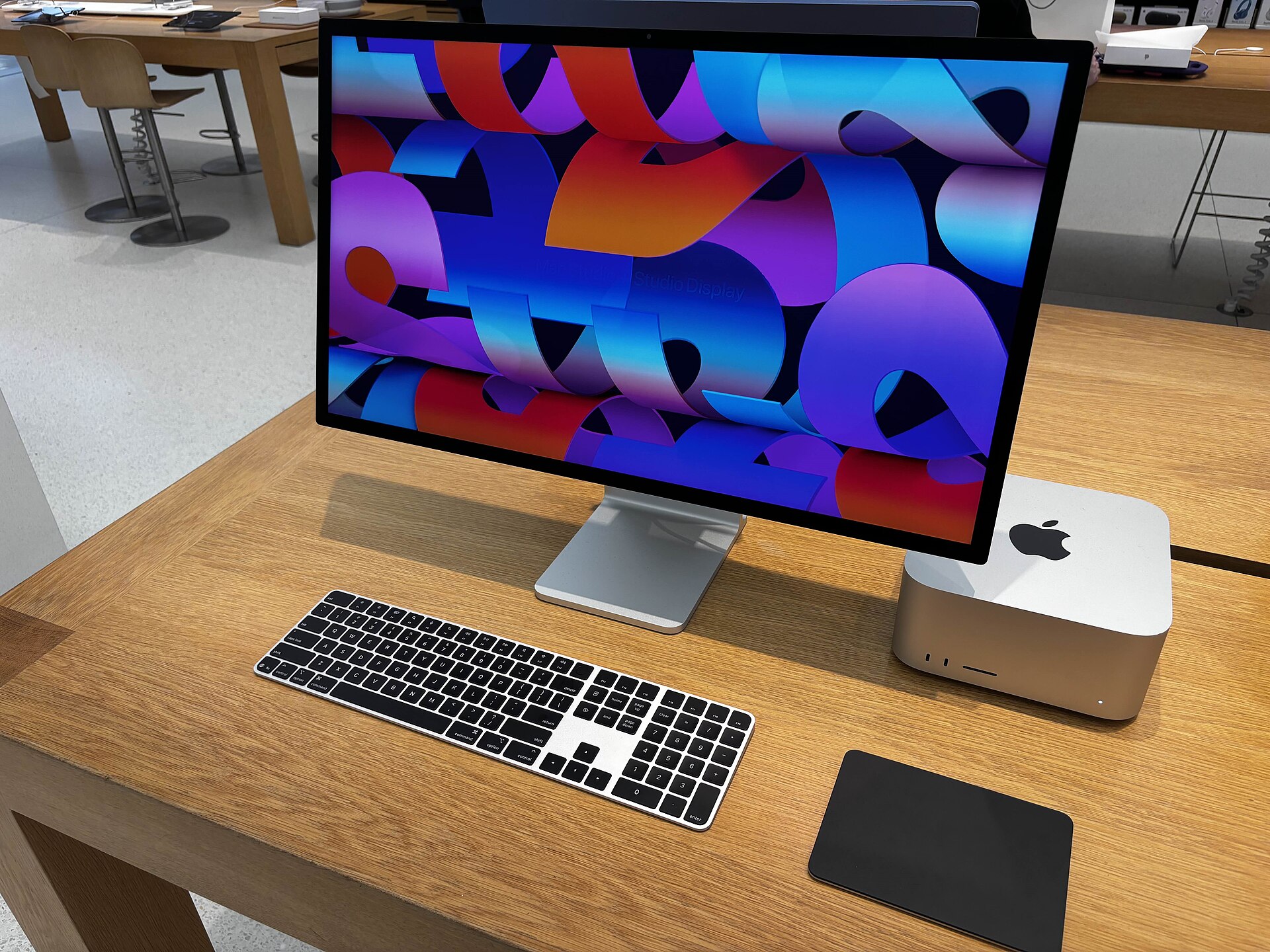
Running Muse Spark Open locally demands significant computational resources. Users must possess at least one terabyte of RAM to execute the model. Meta notes that performance is optimized on the Mac Studio equipped with the M5 Ultra chip.

This hardware requirement positions the model for professional workstations rather than standard consumer laptops. The focus on local execution allows developers to keep data on-premise while accessing frontier-level capabilities.
Applications in coding and video editing
Meta has integrated Muse Spark Open with Muse Code, its proprietary AI coding terminal. The company demonstrated the model handling agentic workflows, including bug fixes, feature additions, and full builds for a Mastodon client.
The model also supports video editing tasks. Meta revealed that the system can review and crop footage within DaVinci Resolve, a high-end video editing software suite. This capability suggests the model can assist with complex media processing tasks that typically require cloud-based infrastructure.
Open-weight models offer distinct advantages over closed proprietary systems. They provide greater transparency and flexibility for developers. The open nature of the weights allows organizations to audit the model and adapt it to specific needs without relying on external API providers.
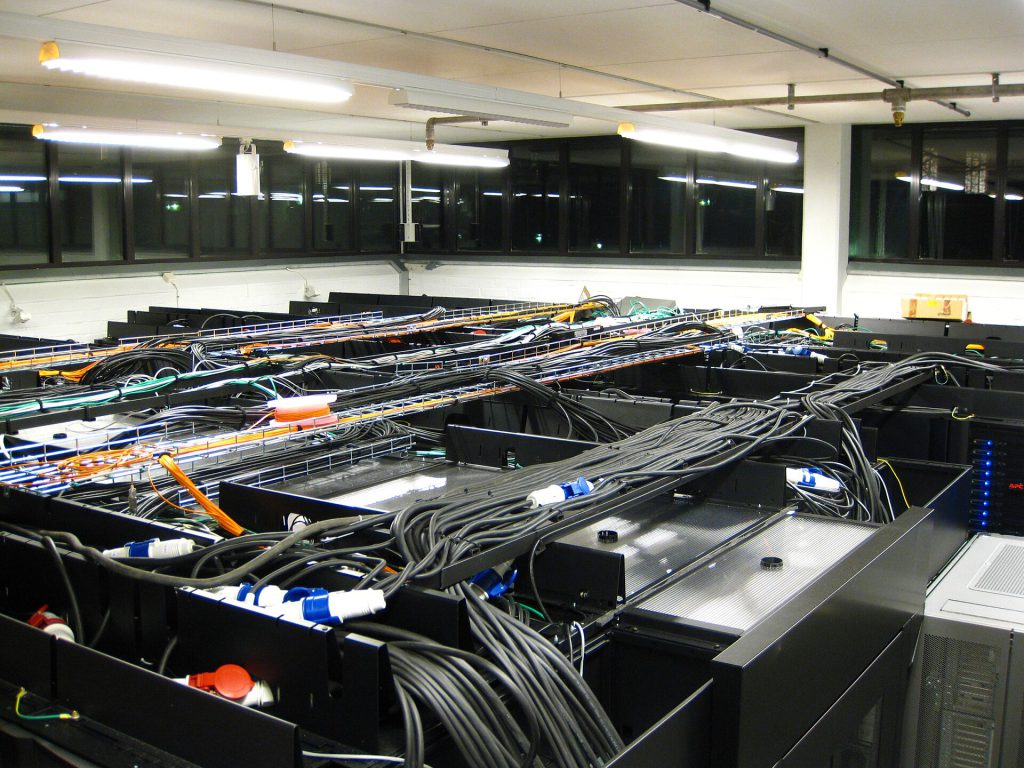
Meta is making Muse Spark Open available through various API platforms. This distribution method allows developers to access the model without managing the underlying infrastructure themselves. The release aligns with Meta’s broader strategy to expand the reach of its open-source AI initiatives.
The launch follows Meta’s recent release of Muse Wonder, its first frontier model. The company continues to expand its portfolio of open-weight tools to compete in the rapidly evolving AI landscape. Developers can now access Muse Spark Open to test its performance in local Mac environments.
Source: TechCrunch
