


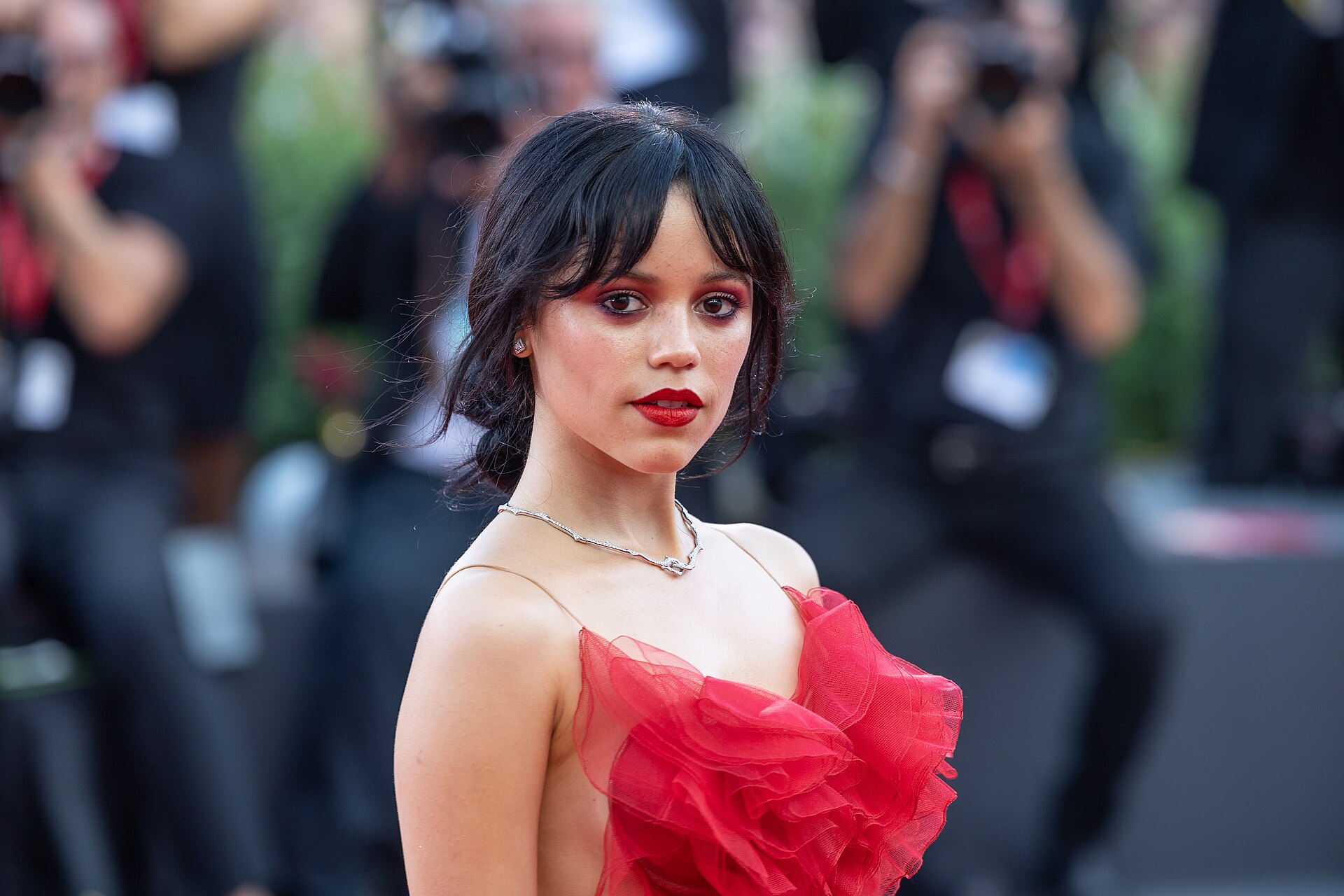
“Klara and the Sun” presents a curiously flat comedy-drama that highlights the industry’s ongoing struggle to adapt speculative literature for the screen. Directed by Taika Waititi, the film is based on Kazuo Ishiguru’s 2021 novel and premiered at the London Film Festival. While the premise offers a unique look at artificial intelligence, the execution often feels disjointed and overly obvious.
Robot Shop Dynamics and Early Promise
The story opens in a candy-colored retail space called The Friend Store, where artificial companions are sold to a society increasingly reliant on technology. Jenna Ortega stars as Klara, a B1 model robot who spends her days in the shop window, hoping to be chosen by a new owner. The store faces stiff competition from a rival chain stocking newer B3 models, adding a layer of corporate tension to the narrative.
Natasha Lyonne plays the store manager, a character who treats the robots with genuine affection. She reminisces about the internet, which the film establishes was removed from public access following a past global conflict. This world-building sets a tone that is initially light and engaging, with Ortega delivering a performance full of earnest energy.
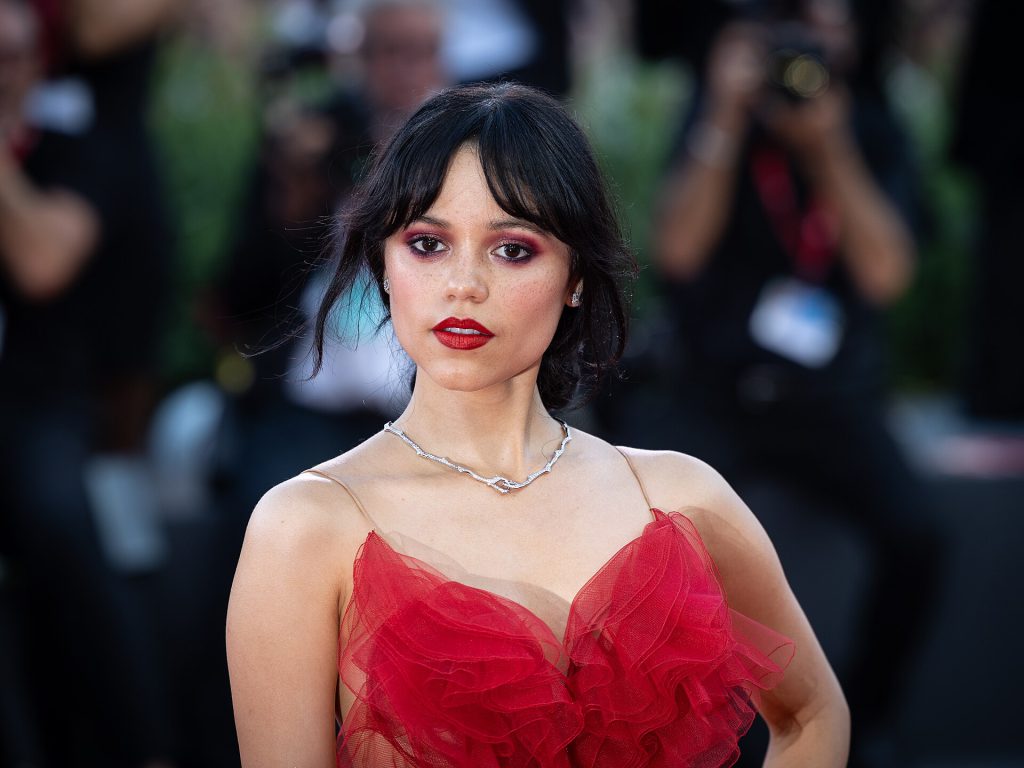
Klara is eventually purchased by Josie, played by Mia Tharia, and her mother Chrissie, portrayed by Amy Adams. Josie is a genetically modified polymath, a status that isolates her from her peers. The acquisition of Klara is not merely a gift of companionship but a strategic move by Chrissie to support her daughter through a serious, undisclosed illness.
Tone Shifts and Narrative Predictability
The film’s central conflict emerges as Klara discovers the extent of Josie’s condition. The narrative shifts from a lighthearted exploration of AI consciousness to a somber meditation on mortality and parental sacrifice. Steve Buscemi appears as Capaldi, a mysterious benefactor who adds further complexity to the plot. However, the film’s major twists are presented with little subtlety, making the outcome predictable for viewers familiar with the genre.
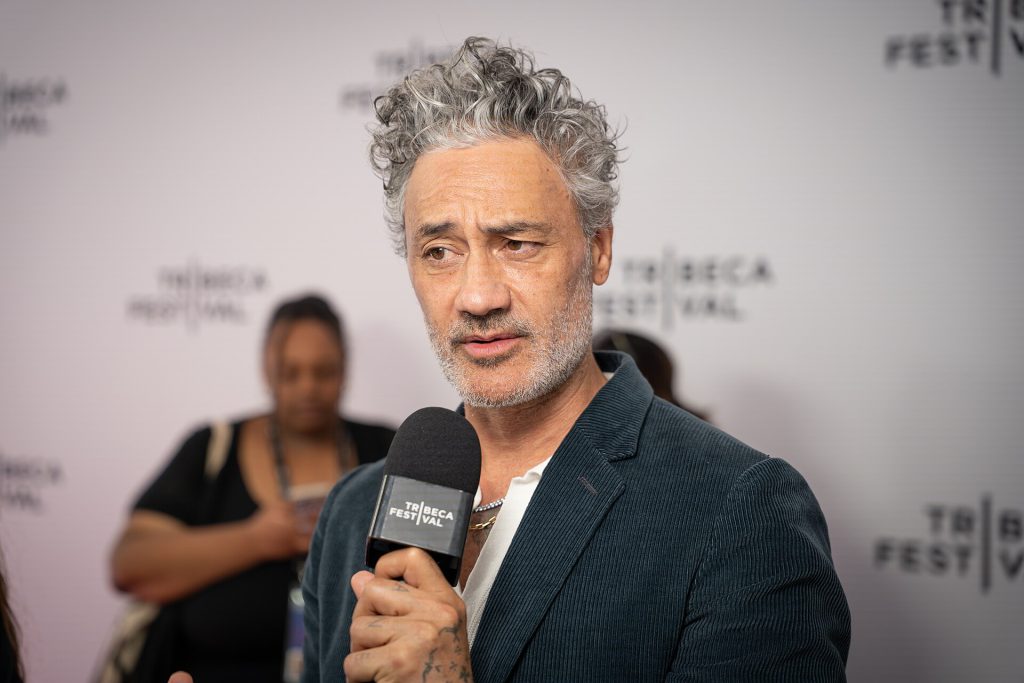
Waititi’s signature style, often characterized by cringe comedy and emotional vulnerability, feels ill-suited to the source material. The film attempts to bridge the gap between children’s entertainment and adult drama but ends up in an awkward middle ground. Scenes designed to be humorous or poignant often fall flat, undermining the emotional stakes established earlier in the story.
One particularly criticized sequence involves Josie interacting with new schoolmates who engage in exaggerated behaviors, including lisping and wearing avant-garde fashion. This moment is intended to highlight social alienation but instead comes across as forced and distracting. The film’s handling of these themes lacks the nuance found in other adaptations of Ishiguru’s work, such as the BBC series “Ann Droid,” which explored similar ideas with greater sophistication.
Release Details and Critical Reception
“Klara and the Sun” is distributed by Sony Pictures and is scheduled for release on October 23, 2026. The film runs for one hour and 56 minutes and has received a PG-13 rating. Screenwriters Taika Waititi and Dahvi Waller adapted the script from Ishiguru’s novel, but critics argue that the final product fails to capture the book’s emotional depth.
The performance of Jenna Ortega remains a highlight, providing a consistent anchor for the film’s shifting tones. However, the overall direction struggles to maintain the balance between its comedic and dramatic elements. For audiences expecting the warmth and wit of Waititi’s previous works, such as “Jojo Rabbit” or “Hunt for the Wilderpeople,” this film may feel like a departure that misses the mark.
The film’s exploration of AI and human connection is timely, yet the execution feels dated. The reliance on obvious plot devices and stylized social commentary detracts from the potential impact of the story. As it prepares for its wide release, “Klara and the Sun” stands as a visually distinct but narratively uneven entry in the dystopian genre.
Source: Deadline
