


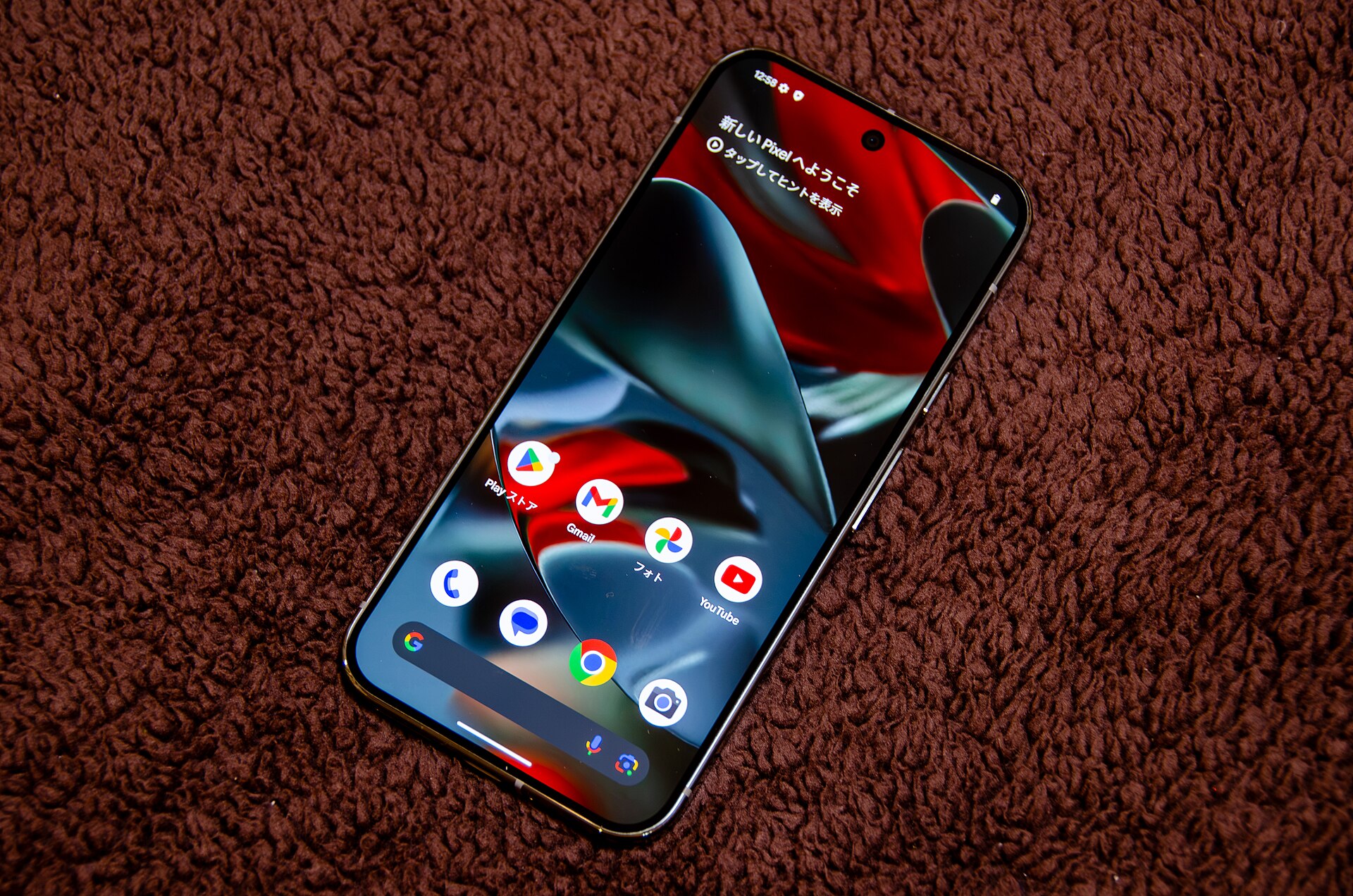
Google’s latest smartphone lineup has solidified the brand’s distinct position in the mobile market. While competitors often blend into a uniform sea of devices, the Pixel 11 Pro retains a specific hardware and software identity that appeals to users seeking a refined experience. The device feels polished, offering a clear alternative to the bloatware-heavy options from other major manufacturers.
Clean Software and Immediate Updates
Many Android flagships come preloaded with duplicate applications for basic functions like calendars, notes, and contacts. Users frequently find themselves deleting unwanted third-party apps and manufacturer-specific services to clear storage space. In contrast, the Pixel 11 Pro relies on first-party Google applications, providing an essential toolkit without unnecessary clutter. This approach results in a lighter interface that remains responsive even as new features are added.
Software support is a critical differentiator for this device. Google has committed to seven years of updates, a promise that carries significant weight for long-term users. While other manufacturers have extended their support windows, they often lag in delivering the latest Android versions to older flagships. For example, recent Samsung Galaxy models received major updates months after their Pixel counterparts. The Pixel 11 Pro ensures that devices dating back to the Pixel 6 receive the newest operating system versions on release day, keeping the hardware relevant for years.
Integrated AI and Camera Consistency
Artificial intelligence on the Pixel 11 Pro is not merely an add-on application but is deeply embedded in the operating system. The Gemini assistant operates with extensive context, allowing it to take action across different apps seamlessly. This integration extends to practical tools like Magic Capture, which handles photography without distracting the user from the moment. Legacy features such as Now Playing and on-device voice typing further enhance daily usability without requiring third-party downloads.
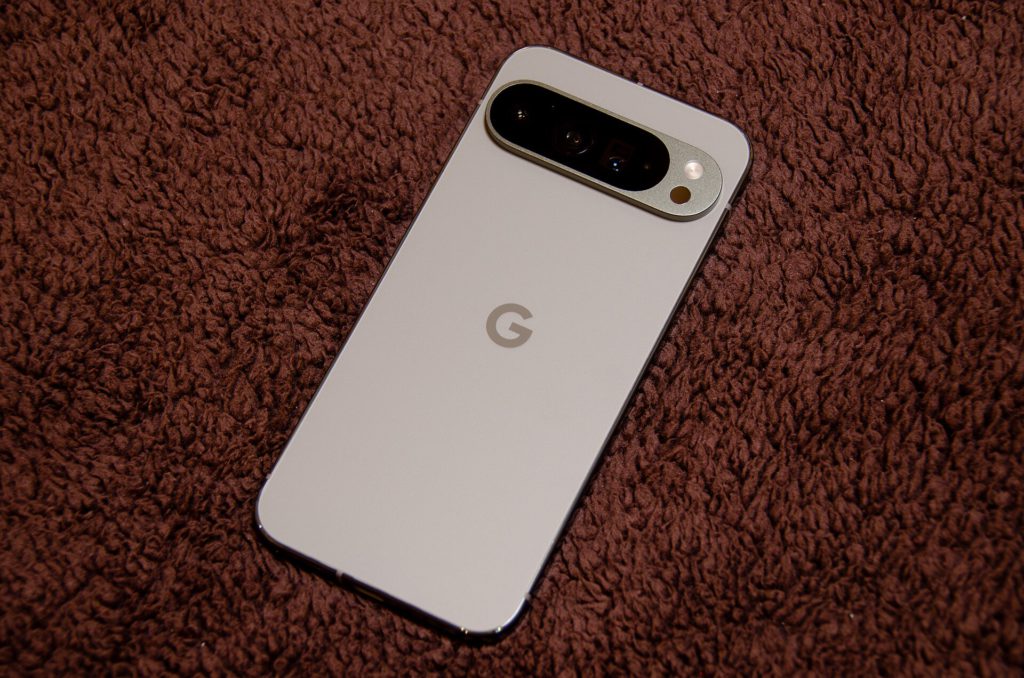
The camera system represents a significant upgrade over previous models. The Pixel 11 Pro features three rear cameras, each equipped with a high-resolution 48-megapixel sensor. This uniformity ensures consistent image quality across ultra-wide, macro, and optical zoom modes. Google has minimized the visual differences between lenses, delivering natural colors with subtle contrast that require minimal post-processing. This stands in contrast to competitors whose images often appear oversaturated and bright, demanding additional editing work.
Design and Daily Usability
The physical design of the Pixel 11 Pro emphasizes a premium feel with flat sides and substantial heft. The metal frame includes a slight curve where it meets the glass, improving grip comfort compared to smoother alternatives. The device is available in distinct colors, including a Canyon gold shade that draws attention in public spaces. The recognizable rear camera visor serves as a statement piece, distinguishing the phone from the more common designs found in the market.
While the Tensor G6 processor may not lead in raw benchmark scores, the device excels in everyday quality-of-life improvements. Features like the combination of a fingerprint scanner and secure face unlock provide flexible security options. The HiLight LED indicator on the back offers a practical way to check notifications without activating the screen, contributing to better digital well-being. These cumulative details make the Pixel 11 Pro a compelling choice for users prioritizing software purity and integrated functionality over raw processing power.
Source: Android Authority
