


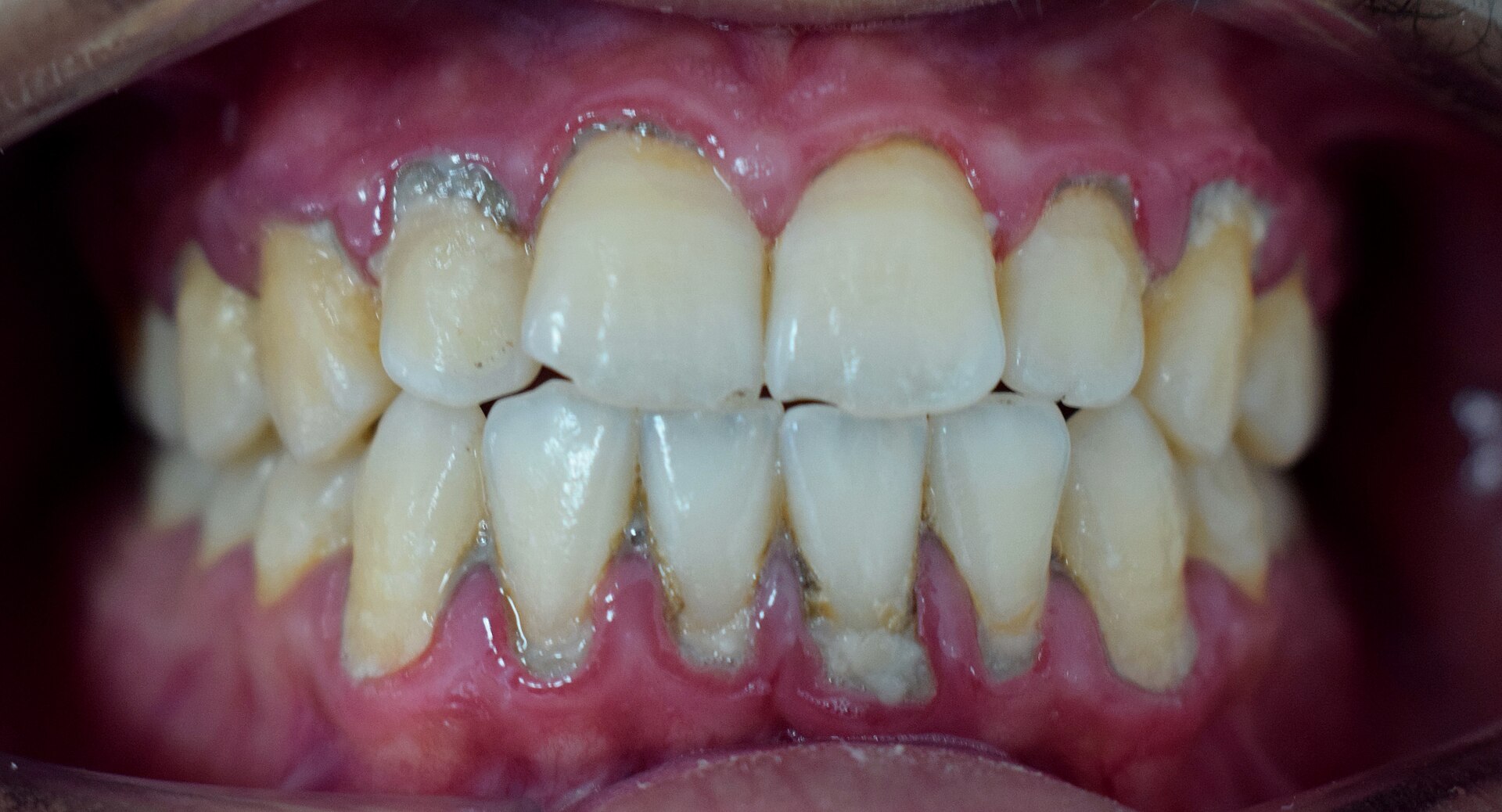
Scientists have identified a method to manage gum disease by disrupting the chemical signals bacteria use to communicate, rather than attempting to eradicate the entire microbial population. This approach, detailed in a 2025 study published in npj Biofilms and Microbiomes, suggests that interfering with bacterial communication can shift the composition of dental plaque toward species associated with better oral health.
Disrupting Chemical Signals
The human mouth hosts approximately 700 bacterial species that do not exist in isolation. Many exchange information through a process known as quorum sensing, which allows them to detect population density and coordinate group behaviors. In the oral cavity, some bacteria utilize molecules called N-acyl homoserine lactones (AHLs) to transmit these signals.
Researchers from the University of Minnesota, Twin Cities, examined how these signals influence dental plaque. They discovered that bacteria produce AHL signals in aerobic environments, such as above the gumline where oxygen is present. These signals are also detectable by bacteria in anaerobic environments beneath the gumline, where oxygen levels are significantly lower.
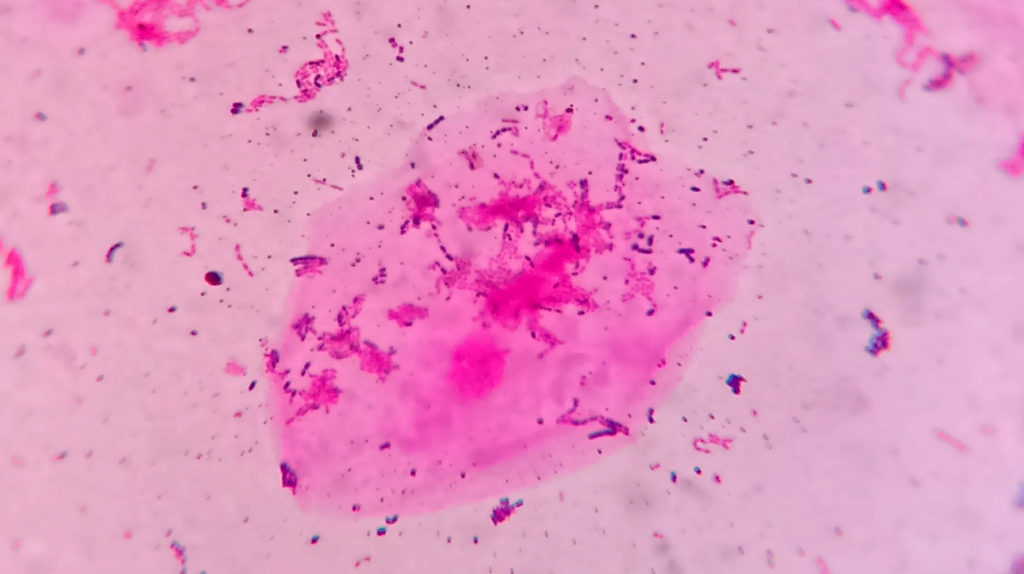
The team used specialized enzymes called lactonases to break down these AHL molecules. When the researchers disrupted this signaling pathway, the dental plaque community shifted toward species more strongly linked to oral health. This indicates that carefully selected enzymes might eventually be used to alter the makeup of dental plaque and maintain a healthier balance of microorganisms.
Oxygen Levels Change Outcomes
The study revealed that the impact of bacterial communication depends heavily on oxygen availability. Mikael Elias, an associate professor in the College of Biological Sciences and senior author of the study, compared dental plaque development to a forest ecosystem. He noted that pioneer species like Streptococcus and Actinomyces are initial settlers generally associated with good oral health. Over time, increasingly diverse late colonizers, including the red complex bacteria like Porphyromonas gingivalis, can dominate and contribute to periodontal disease.
Rakesh Sikdar, the lead author, highlighted the striking difference in outcomes based on location. Blocking AHL signaling in aerobic conditions favored health-associated bacteria. Conversely, adding AHLs under anaerobic conditions promoted the growth of disease-associated late colonizers. This suggests that quorum sensing plays different roles above and below the gumline, which has major implications for how we approach treatment of periodontal diseases.
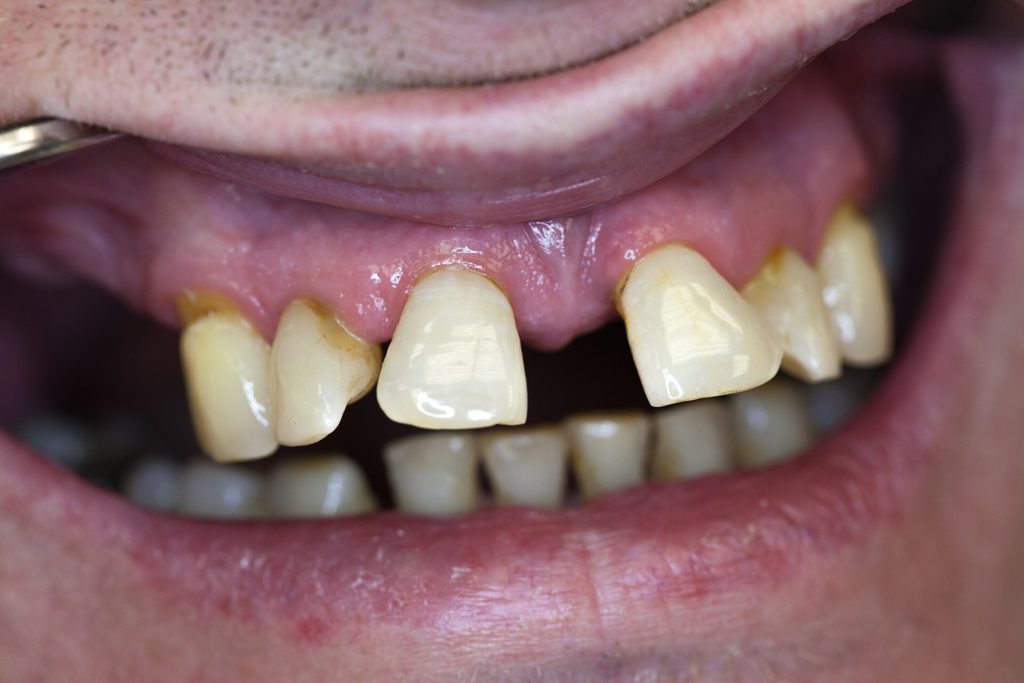
The findings suggest that the same chemical signals can influence microbial communities in very different ways depending on where they occur in the mouth. Above the gumline, disrupting AHL signaling favored bacteria linked with better oral health. Beneath the gumline, adding those signals encouraged later colonizing species associated with disease.
Future Therapeutic Potential
The long-term goal is to find ways to influence the balance of the microbial community itself. Rather than broadly attacking oral bacteria with antimicrobial treatments, researchers hope to steer plaque toward an earlier, healthier state. Understanding how bacterial communities communicate and organize themselves may ultimately give us new tools to prevent periodontal disease.
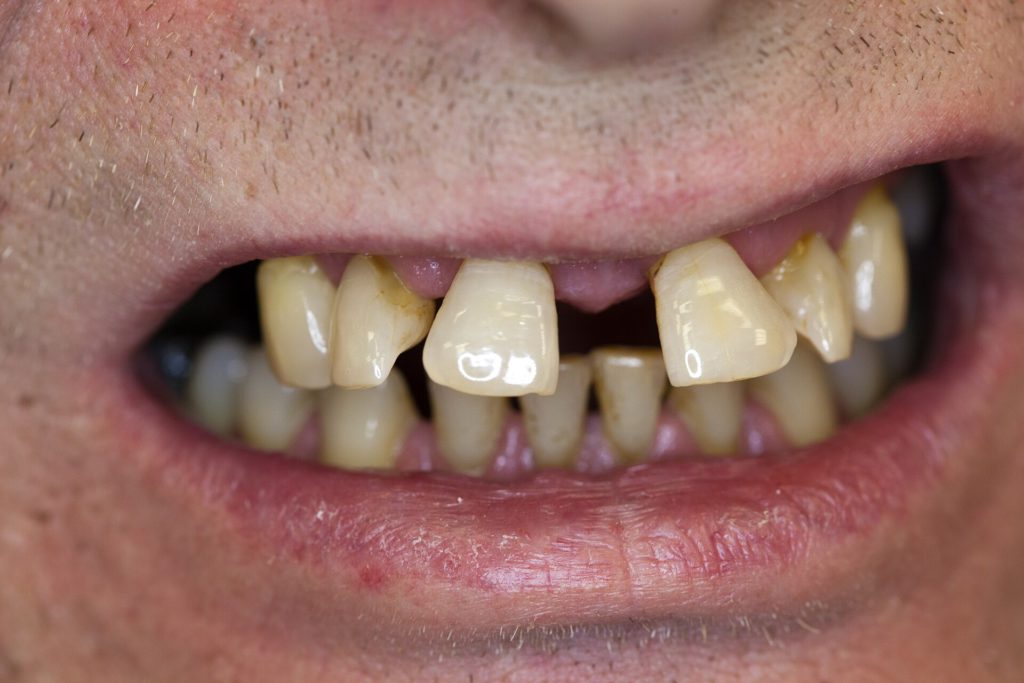
This approach could eventually have implications beyond dentistry. Similar microbial imbalances, often called microbiome dysbiosis, occur elsewhere in the body and have been associated with a range of health problems, including certain types of cancer. Researchers hope that learning how to manipulate bacterial communication could eventually provide a foundation for therapies designed to steer microbial communities toward healthier states rather than simply destroying them.
The research was funded by the National Institutes of Health. The team now plans to investigate how bacterial communication varies throughout the mouth and among people at different stages of periodontal disease.
Source: ScienceDaily
