


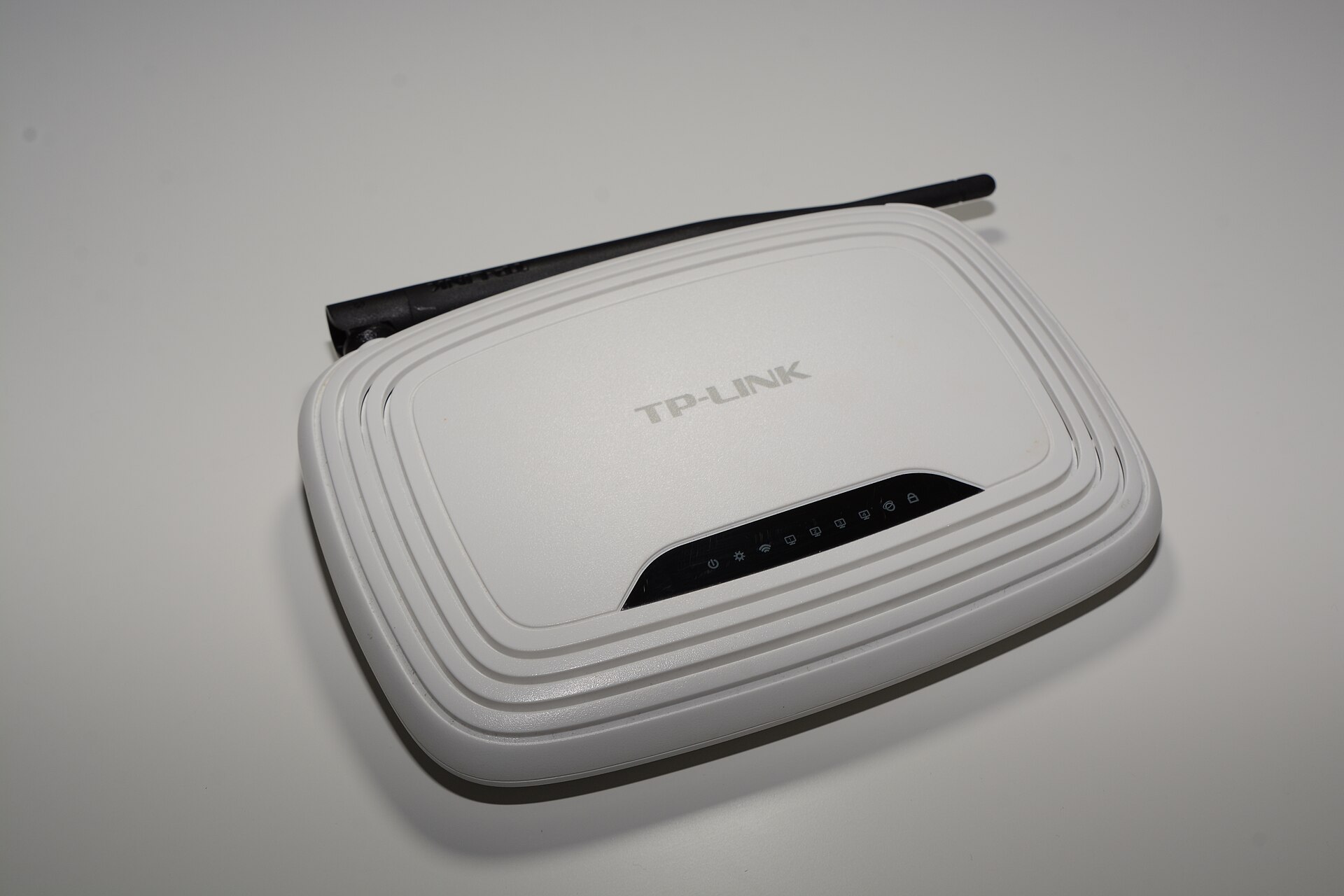
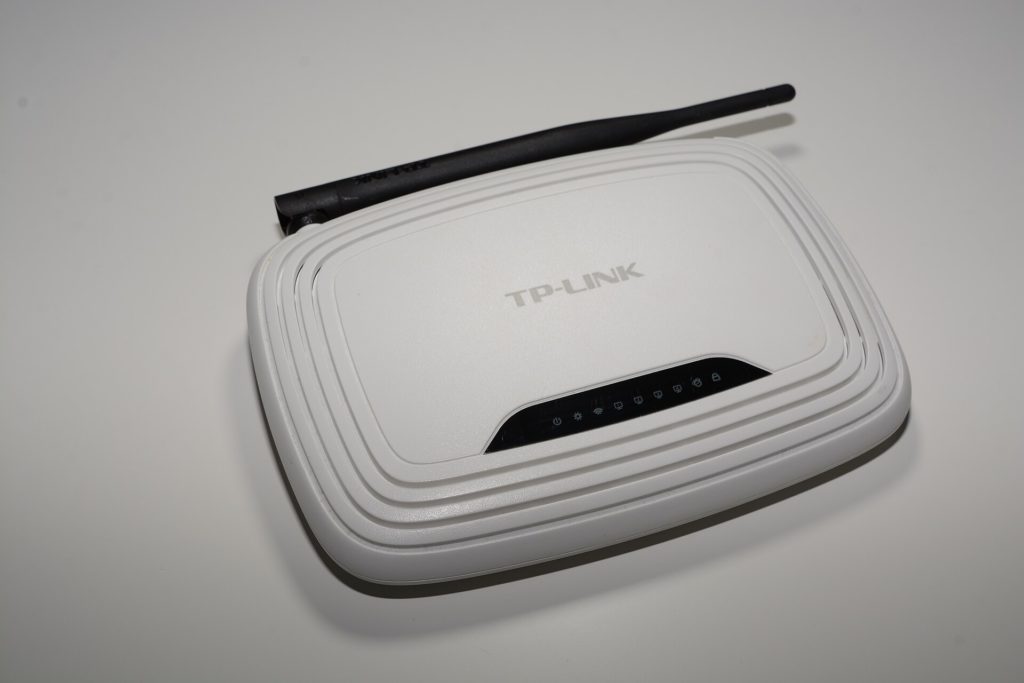
Florida Attorney General James Uthmeier announced on Monday that the state is suing TP-Link, accusing the networking equipment manufacturer of deceiving consumers about the security of its products and its corporate structure. The lawsuit alleges that the company misrepresented the safety of its TP-Link routers and obscured its connections to the Chinese government.
Uthmeier released a video statement on X, formerly Twitter, outlining the state’s grievances. He claimed that TP-Link sold Americans a false sense of security regarding their home networks. The attorney general stated that the company failed to disclose how vulnerable these devices were to cyberattacks and how closely they remained linked to Beijing.
Allegations of Security Failures and Misrepresentation
The complaint centers on the assertion that Chinese state-sponsored hackers exploited vulnerabilities in TP-Link devices installed in American homes. According to the Florida AG, many of the affected models lack automatic update capabilities, leaving them exposed to known threats. The lawsuit further claims that TP-Link has ceased supporting these vulnerable models, effectively abandoning users who rely on them for internet access.
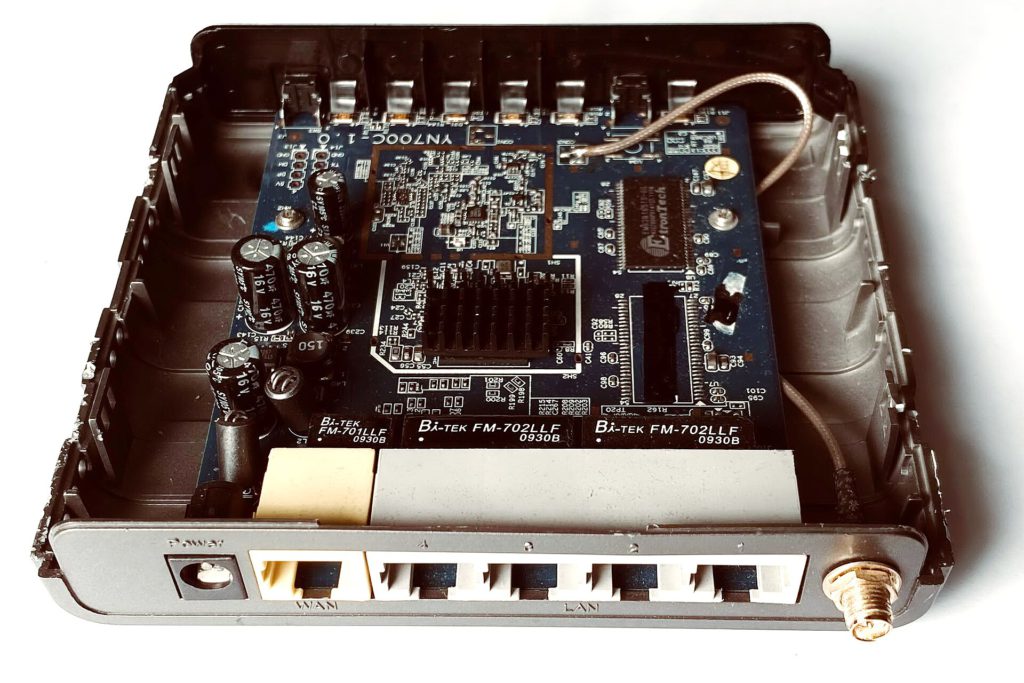
Uthmeier argued that the company misled Floridians about its geographic separation from China. While TP-Link has stated that it manufactures products in Vietnam and operates its U.S. division independently, the lawsuit describes these claims as fiction. The state contends that research and manufacturing remain rooted in China, with less than 1% of parts in the Vietnamese facility actually originating from Vietnam.
The filing also addresses the company’s corporate restructuring. TP-Link has claimed to have separated from a subsidiary with Chinese ties, which the Pentagon has designated as an arm of the Chinese military. The state argues this separation was cosmetic and did not eliminate the security risks associated with the parent company’s influence.
Broader Regulatory and Legal Challenges
This legal action follows a federal investigation launched in 2024 by the Department of Commerce, the Department of Defense, and the Department of Justice. Those inquiries focused on whether TP-Link engaged in unfair trade practices and posed a national security threat. TP-Link has contested these allegations, pointing to its 2024 separation of the U.S. entity from its Chinese parent and its history of manufacturing in Vietnam since 2018.
Unlike Huawei, TP-Link has not faced a complete ban in the United States. However, the Federal Communications Commission recently banned the import of new consumer routers from certain manufacturers. This rule affects all brands, including Cisco and Netgear, but allows companies to apply for conditional approval. TP-Link submitted an application for this exemption, though it is unclear if the FCC has granted it. If approved, the company could continue selling existing inventory in the U.S. market.
Florida is not acting alone in this matter. Attorneys general in Iowa, Nebraska, and Montana have filed similar lawsuits against TP-Link. These states cite the same concerns regarding the company’s ties to the Chinese Communist Party and the safety of its networking equipment. They argue that these legal actions are necessary to protect their citizens from potential espionage and data theft.

TP-Link holds an estimated 50% to 65% of the consumer router market in the United States. The outcome of these lawsuits could significantly impact the company’s operations and consumer trust in its products.
Source: Tom’s Hardware
