



The Centers for Disease Control and Prevention is moving to standardize how it counts fatalities from measles. Historically, the agency relied on state health departments to determine which deaths were caused by the virus. This approach has now shifted as the CDC works with the Council of State and Territorial Epidemiologists to create a clear measles death definition.
Under the previous system, individual states had significant discretion in classifying a death. This meant that the criteria for attributing a fatality to measles could vary depending on the jurisdiction. The new collaboration aims to eliminate these inconsistencies by establishing a uniform standard across the country.
Standardizing Mortality Data
The shift marks a significant change in how public health officials track the impact of the disease. By working directly with the Council of State and Territorial Epidemiologists, the CDC hopes to ensure that data collected from different regions is comparable. This standardization is critical for understanding the true scope of outbreaks and the effectiveness of vaccination campaigns.
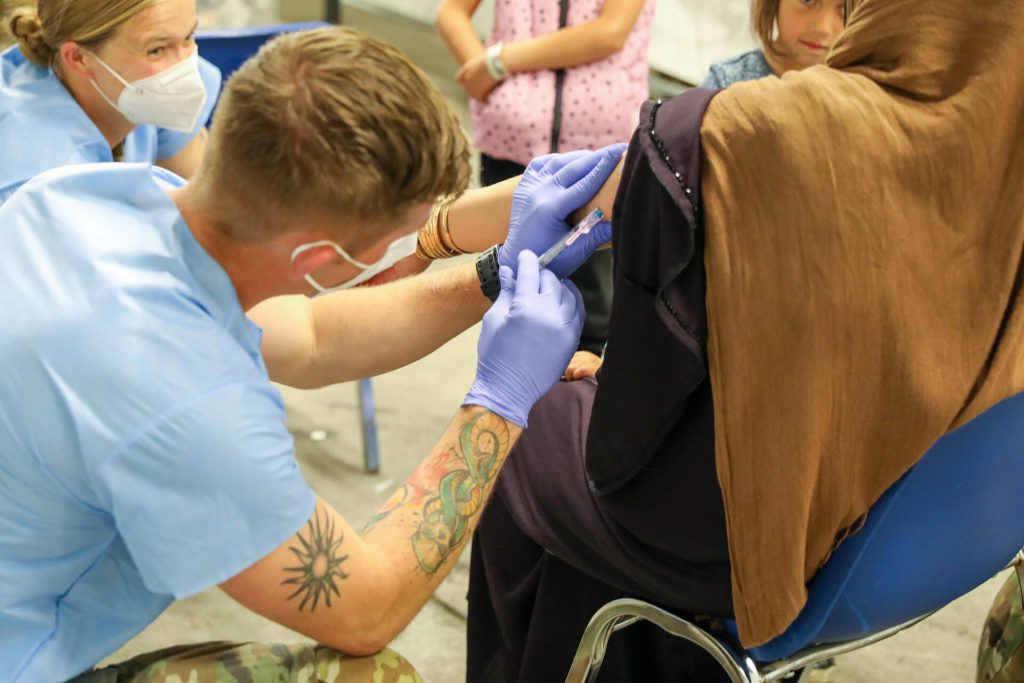
Measles remains a highly contagious viral illness. When cases surge, accurate tracking of severe outcomes becomes essential for resource allocation and policy decisions. A unified definition allows health officials to aggregate data more effectively, providing a clearer picture of the disease’s lethality in real time.
Collaboration With State Experts
The involvement of the Council of State and Territorial Epidemiologists brings direct input from the experts who handle disease surveillance on the ground. These professionals are responsible for investigating outbreaks and managing public health responses in their respective states. Their participation in defining the criteria ensures that the new standards are practical and applicable to real-world scenarios.

This partnership addresses the limitations of the old system, where varying interpretations could lead to undercounting or overcounting of measles-related fatalities. Consistent data is vital for researchers and policymakers who rely on these numbers to assess trends and plan interventions. The new framework is expected to improve the reliability of national health statistics.
The update reflects a broader effort to strengthen public health infrastructure. As measles cases fluctuate, having a robust method for tracking outcomes helps officials respond more quickly to emerging threats. The collaboration between federal and state agencies underscores the importance of coordinated action in managing infectious diseases.
Source: NPR
