


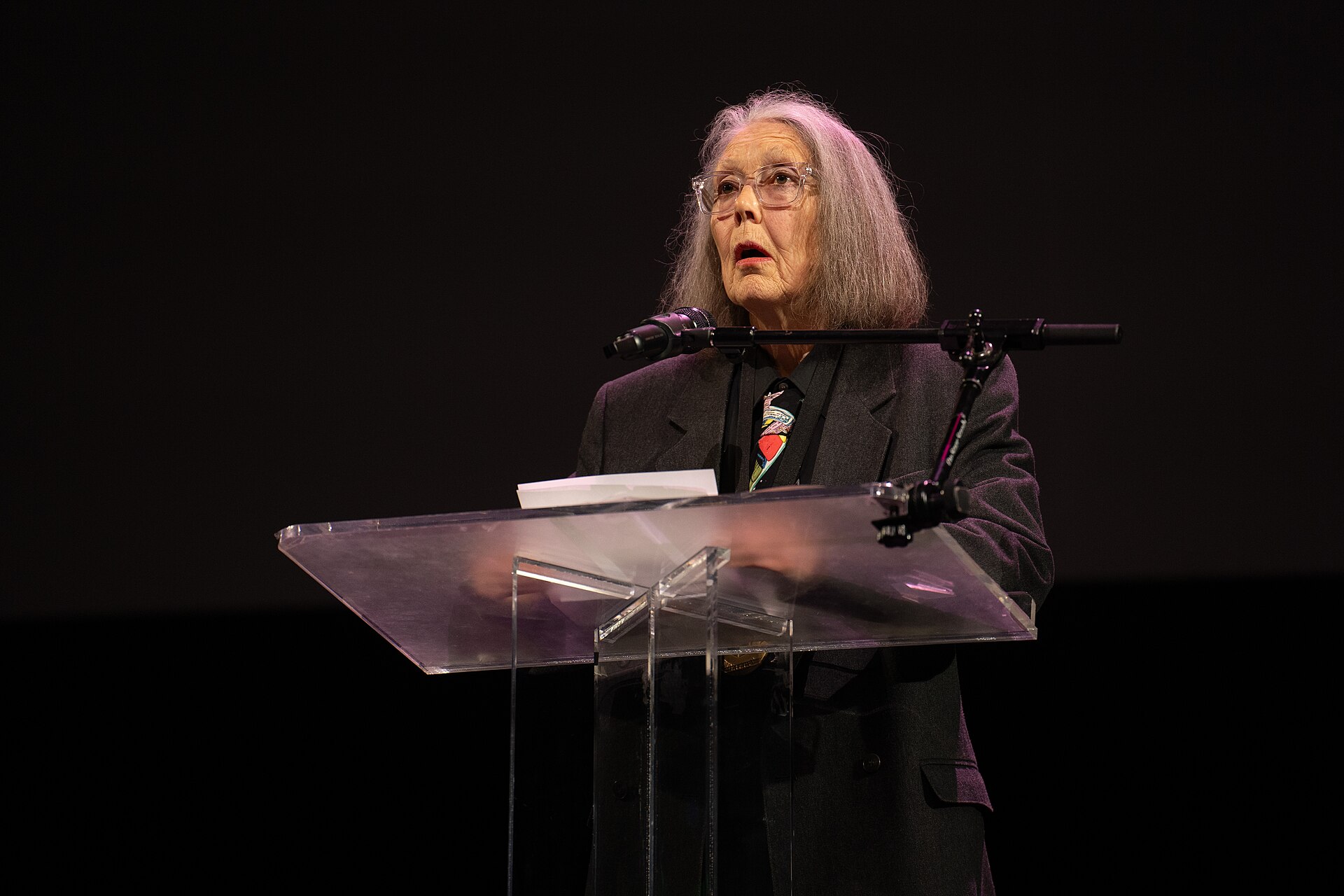
The Swedish Academy has awarded the 2026 Nobel Prize in Literature to Anne Carson, a Canadian poet and essayist known for her genre-defying works. The academy recognized Carson for a “bold and inventive oeuvre that, in playful dialogue with the classical tradition, has created new forms for contemporary literature.” The prize carries a monetary award of 12 million Swedish kronor, approximately £900,000.
Carson’s Classical Innovations
Carson, born in Toronto in 1950, has spent decades blending poetry, prose, and translation. Her writing frequently draws on ancient Greek mythology and literature. Ingrid Carlberg, the permanent secretary of the Swedish Academy, announced the decision by phone. She noted that Carson was in Iceland at the time, listening to the wind, and was taken by surprise but very happy.
Carson is the 19th woman to receive the literature prize since its inception in 1901. Her career began with the 1986 publication of “Eros the Bittersweet,” a work that combined literary criticism with an exploration of desire. She later gained widespread recognition for “Autobiography of Red,” a 1998 novel in verse. This work reimagines the myth of Geryon, a red-winged monster from Greek mythology, as the story of a modern teenager navigating heartbreak.
Her experimental approach has earned her numerous accolades. In 2001, she became the first woman to win the TS Eliot prize for her collection “The Beauty of the Husband.” She has also received Guggenheim and MacArthur fellowships. Anders Olsson, chair of the Nobel Committee for Literature, praised her for breaking away from traditional lyrical poetry. He stated that her method leads to playful and ironic works that move between classical and modern poetry, as well as different art forms.
Reactions and Legacy
Canadian Prime Minister Mark Carney congratulated Carson on social media. He described her style as entirely her own and noted that she has brought ancient stories to new audiences. David Leonard, executive director of the Writers’ Trust of Canada, called her work “intoxicating” and praised her four-decade career. He highlighted the beauty, intelligence, and humanity in her poems and essays.
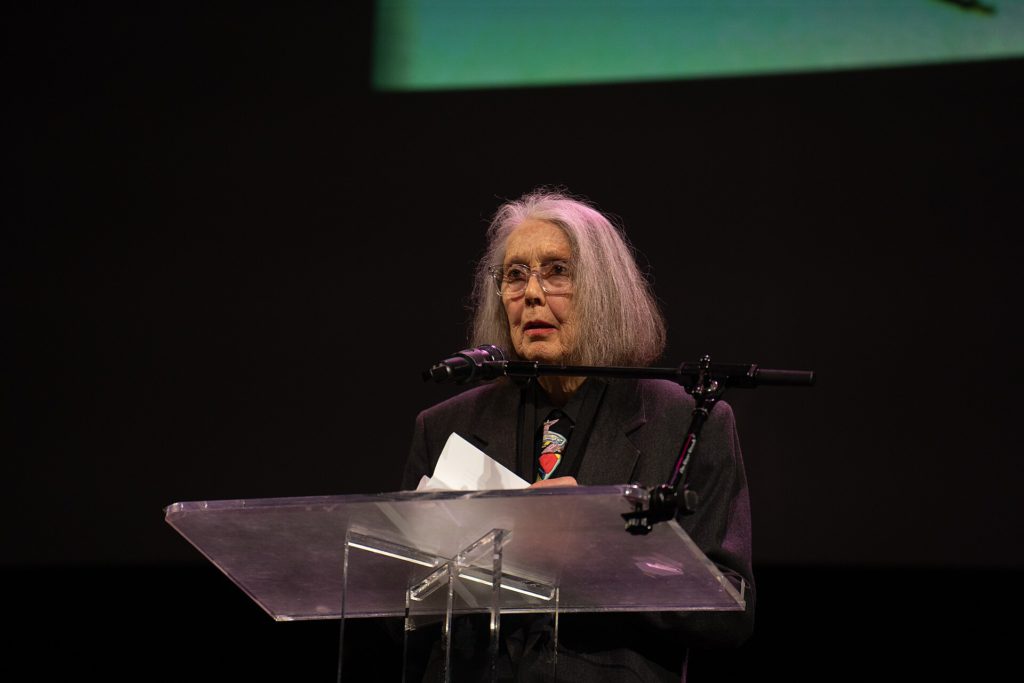
Fellow writers have long admired Carson. Susan Sontag once stated that she would read anything Carson wrote and would automatically buy any magazine featuring her work. Ira Wells, president of PEN Canada, said the win feels significant given the strengthening cultural ties between Canada and Europe. He also noted that Carson’s verse vibrates on profound human frequencies at a time when language is increasingly formulated by machines.
Carson’s bibliography includes a wide range of forms. “Men in the Off Hours” won the inaugural Griffin poetry prize in 2001. “Nox,” published in 2010, took the form of an accordion-fold box containing a reproduction of a notebook she made after her brother’s death. She has acknowledged the difficulties of her experimental style, noting in a 2018 interview that her work sometimes falls apart or becomes too weird for readers. In an August 2024 article, she disclosed that she had been diagnosed with Parkinson’s disease.
Carson will formally receive her medal and diploma in a ceremony in Stockholm in December. The 2026 award follows last year’s prize, which went to Hungarian author László Krasznahorkai.
Source: The Guardian
