


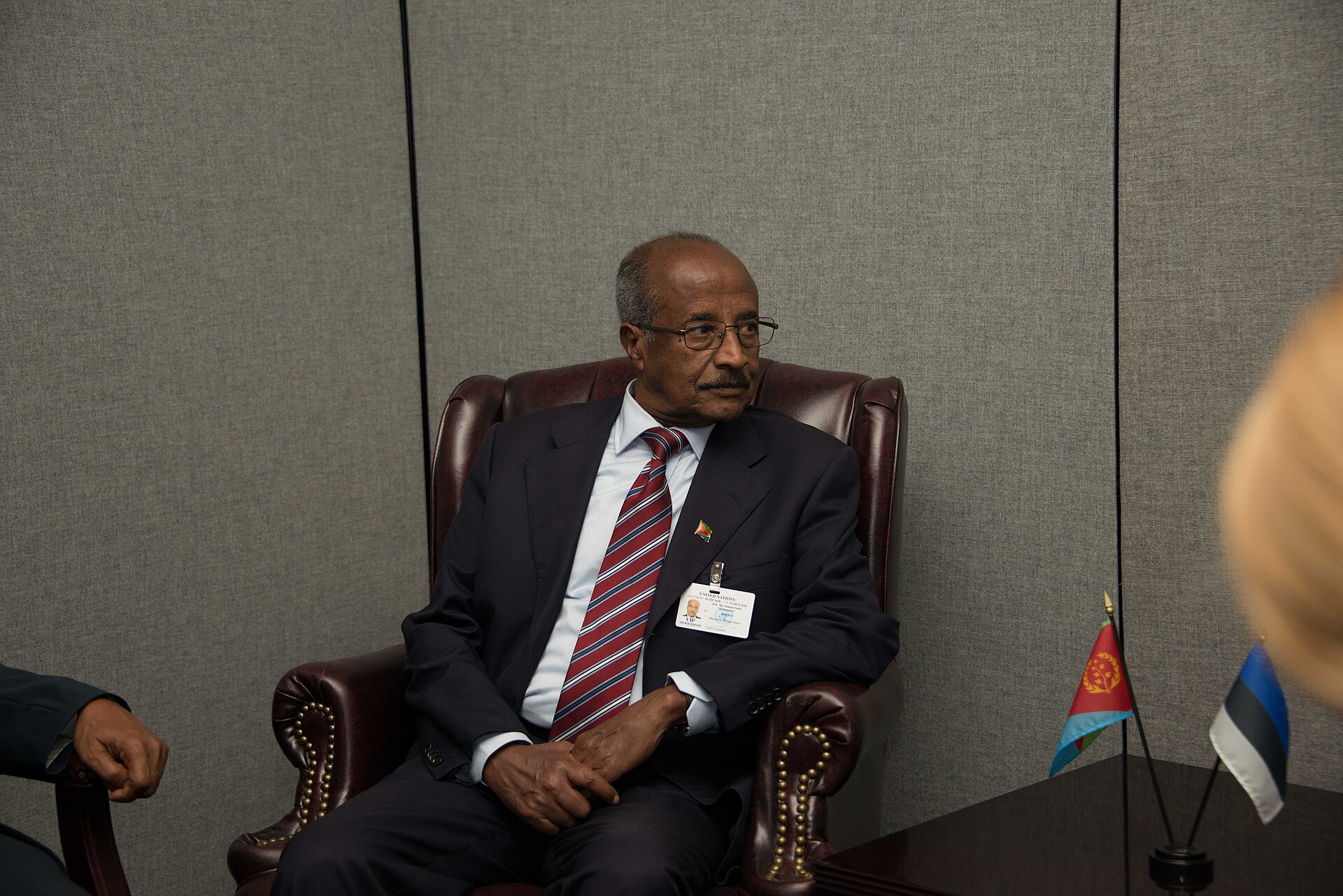
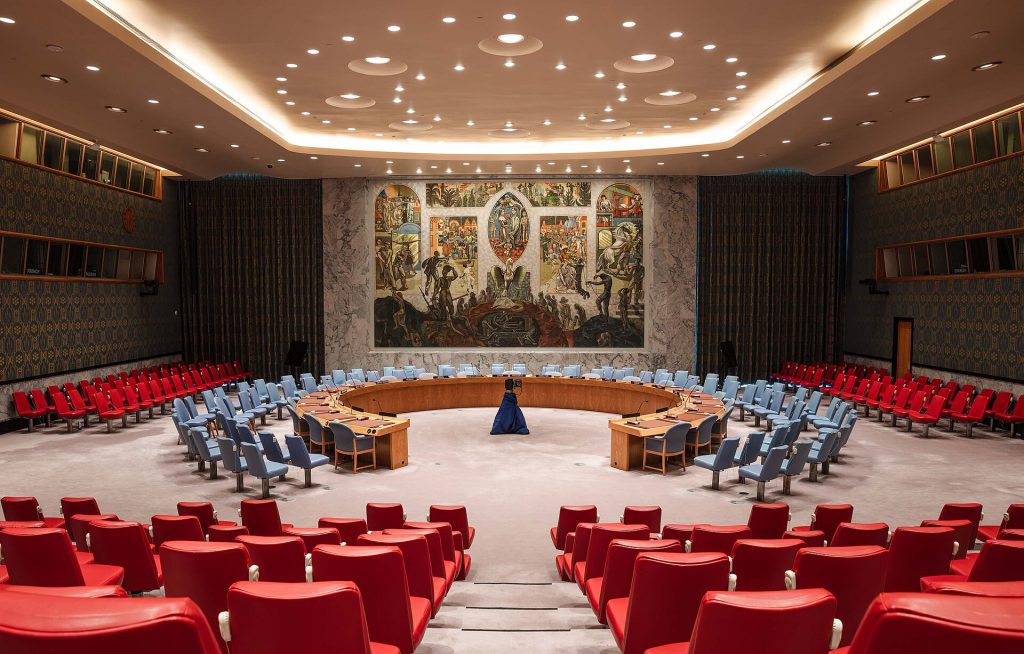
Eritrea has formally requested that the United Nations Security Council take “deterrent measures” following what Asmara described as Ethiopia’s declaration of war. The diplomatic appeal comes amid escalating military clashes in the Tigray region, where both nations are accusing each other of initiating hostilities.
Eritrea’s Security Council Letter
In a letter dated Saturday, Eritrean Foreign Minister Osman Saleh urged the council to forcefully condemn what he termed Ethiopia’s “deplorable declaration of war.” Saleh invoked Chapter VII of the UN Charter, which permits the Security Council to authorize sanctions or military action to maintain international peace and security.
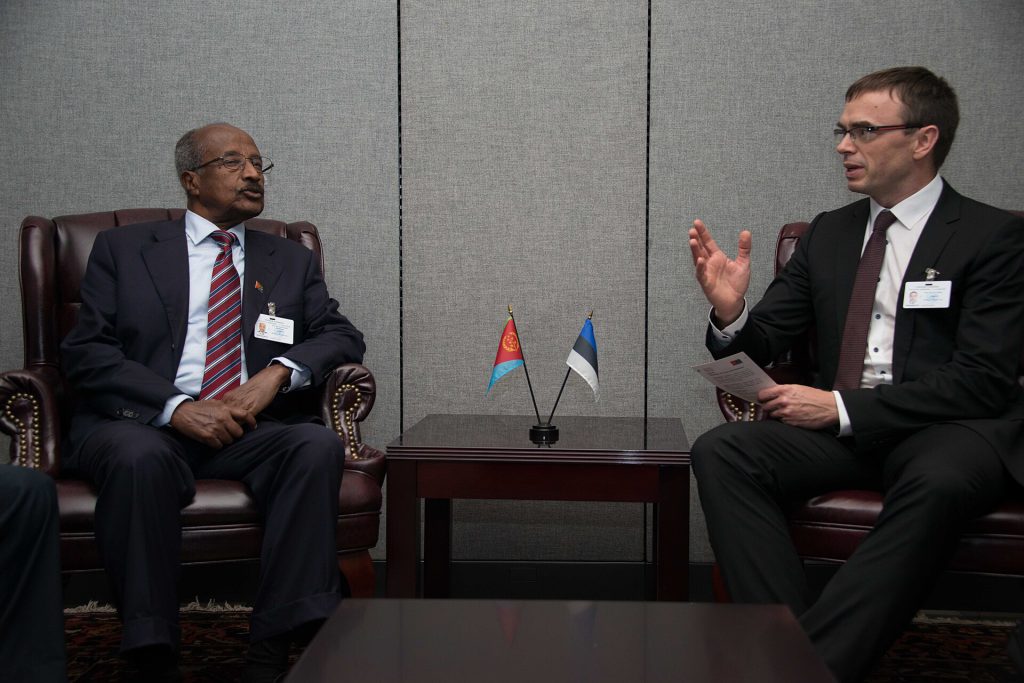
The request follows a letter sent by Addis Ababa on Friday, in which Ethiopia accused Eritrea of launching an “all-out invasion.” Ethiopian officials stated that Eritrean troops had advanced approximately 60 kilometres into Ethiopian territory within the Tigray region. The Ethiopian government characterized the move as a “blatant act of aggression” that triggers its right to self-defense under Article 51 of the UN Charter.
Military Escalation in Tigray
The diplomatic row coincides with intensified fighting in northern Ethiopia. An alliance of seven armed groups recently launched attacks against federal forces in an effort to challenge Prime Minister Abiy Ahmed’s government. Ethiopian military forces have since pushed back the Tigray People’s Liberation Front (TPLF) and recaptured the regional capital, Mekelle.
Reports indicate that Ethiopian drones have struck Eritrean positions in the area. Addis Ababa has accused Asmara of providing support to the TPLF rebels, a claim Eritrea denies. Eritrean Information Minister Yemane Gebremeskel accused Ethiopia of pursuing aggression through demands for sovereign access to the Red Sea, though he did not explicitly confirm or deny reports of troop crossings.
Historical Context and Regional Stability
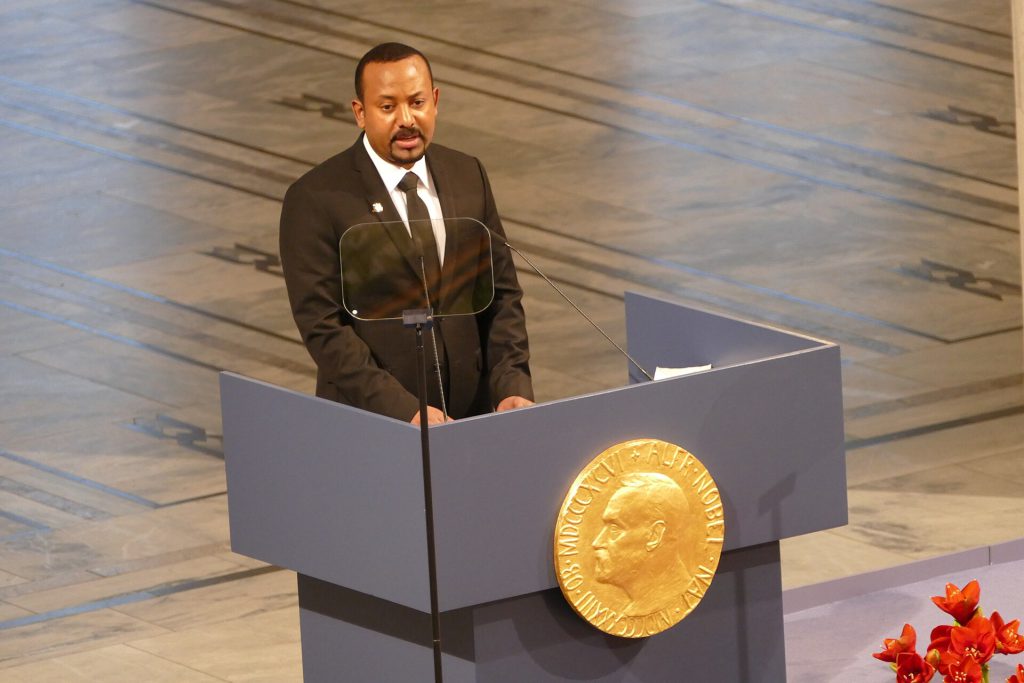
Eritrea gained independence from Ethiopia in 1993. The two nations fought a deadly border war from 1998 to 2000. Relations improved significantly after Abiy Ahmed took office in 2018, but have deteriorated in recent years. Landlocked Ethiopia has repeatedly asserted its right to direct sea access, a demand Eritrea views as a threat to its port at Assab.
Analysts suggest the current diplomatic exchanges are part of a broader preparation for open conflict. Faisal Roble, a Horn of Africa specialist, stated that both sides are inching toward a wider war and using the United Nations to secure international support.
Eritrea’s Foreign Minister Saleh warned that Ethiopia’s actions would cause “huge devastation to the peoples of both countries and destabilise the whole region.” He described Ethiopia’s claims of an Eritrean incursion as deceitful attempts to rationalize its own acts of war.
Source: Al Jazeera
