


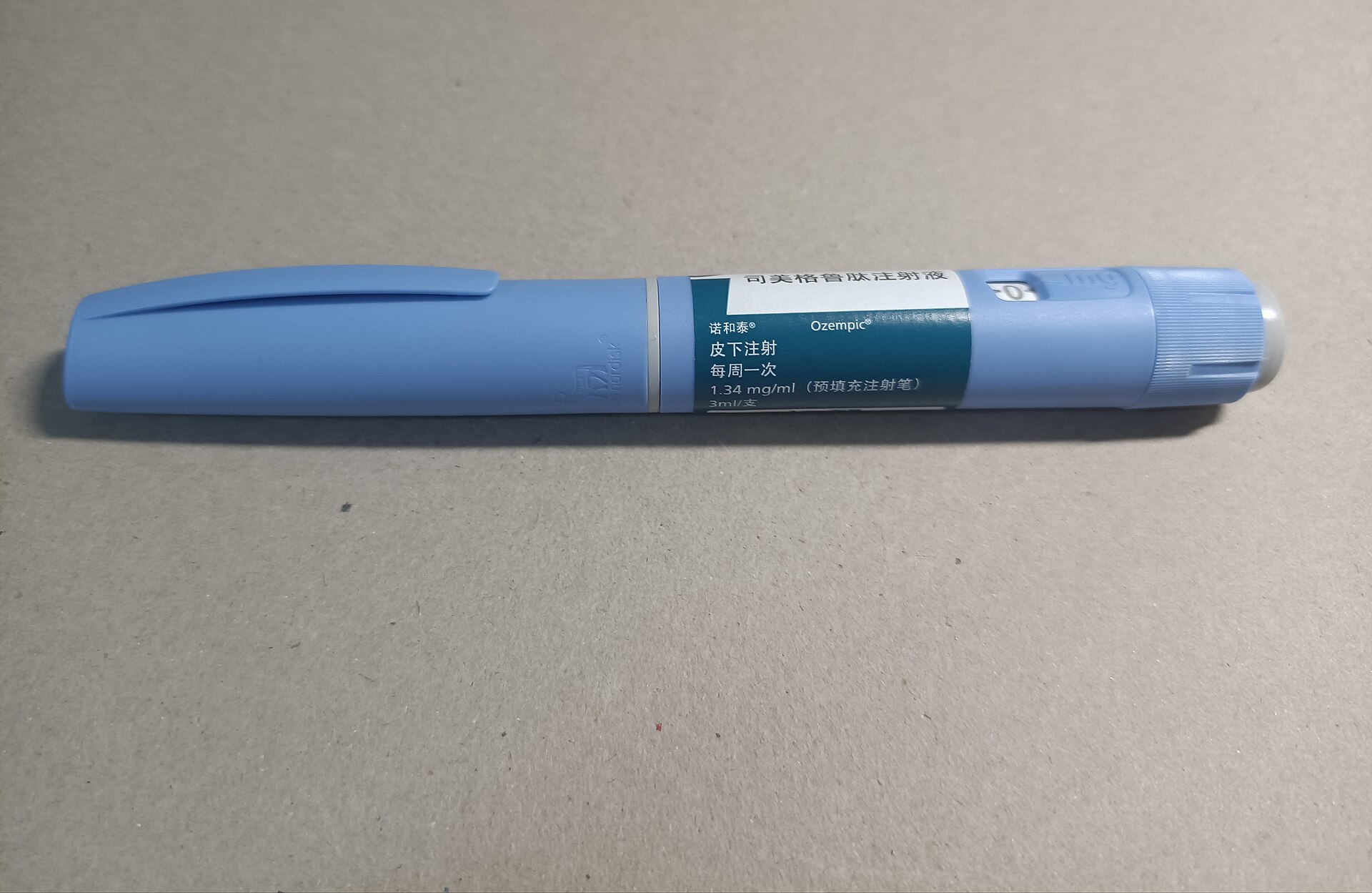
More than one in 10 Americans now use GLP-1 medications for weight loss or diabetes management, but a growing wave of litigation argues these drugs cause severe, permanent harm. Two consolidated multi-district lawsuits allege that makers of Ozempic and similar drugs failed to warn patients and doctors about the risk of NAION, a condition that can lead to sudden blindness.
NAION Eye Damage Claims
Todd Engel, a former heavy machinery operator from Maryland, began taking Ozempic for diabetes in early 2023. By New Year’s Eve that winter, he woke up unable to see out of his right eye. His doctor diagnosed him with non-arteritic anterior ischemic optic neuropathy, or NAION, a condition caused by tiny strokes that cut off blood flow to the optic nerve.
Engel continued taking the weekly shots until his left eye went black a year later. He has since filed a lawsuit against Novo Nordisk, the manufacturer of Ozempic, alleging the company did not disclose the risk of vision loss. His attorney, Jonathan Orent, represents 247 plaintiffs with NAION in the consolidated cases.
Seven months after Engel’s initial diagnosis, the journal JAMA Ophthalmology published research showing higher rates of NAION among diabetic patients taking semaglutide, the active ingredient in Ozempic. However, medical groups like the American Academy of Ophthalmology stated that such observational studies cannot prove causation. They acknowledged a potential link but recommended that patients continue their treatment while further research is conducted.
FDA Data and Regulatory Review
The Food and Drug Administration maintains a database of adverse events reported by doctors, patients, and companies. NPR analysis of this data found more than 1,000 reports of optic neuropathy linked to GLP-1 drugs since 2024. These reports represent a small fraction of the nearly 190,000 total adverse event submissions for these medications during the same period, which mostly involved minor gastrointestinal issues.
Novo Nordisk spokespeople stated that NAION and other serious conditions are exceedingly rare in clinical trials. The company argues the lawsuits are without merit and points to subsequent research that casts doubt on a direct causal link. The FDA confirmed it is conducting its own study to assess NAION risks and will determine if regulatory action or label updates are necessary.

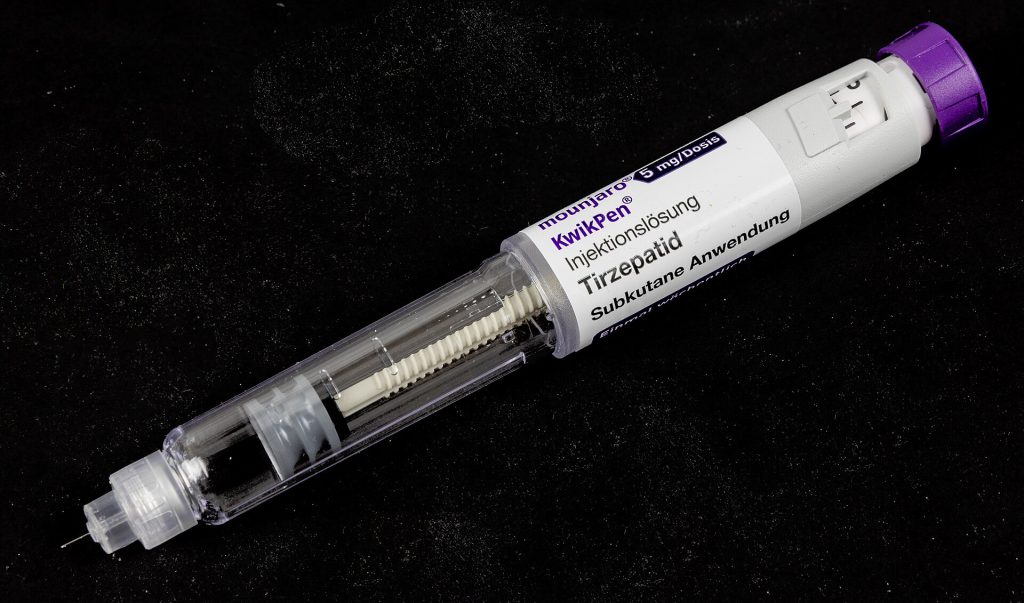
Attorney Orent argues that drugmakers should update warnings immediately, as they have in Europe, even if the events are rare. He notes that clinical trials cannot detect very rare side effects or account for the diversity of the real-world population. Eli Lilly, which makes Mounjaro and Zepbound, said it will vigorously defend against similar claims.
Complex Diagnosis Challenges
Pinpointing the cause of complications is difficult because obesity and diabetes are complex metabolic diseases that increase the risk of various ailments. Dr. Mohammed Ali, a diabetes specialist at Emory University, treated three patients who developed serious problems like pancreatitis while on GLP-1s but did not report them to the FDA. He cited uncertainty about whether the drugs caused the issues or if patients had preexisting conditions.

The rise of online sales of GLP-1s adds another layer of complexity. Pharmacist Robert Miller at the West Texas Poison Control Center noted that many online sites offer little medical supervision. This has led to more calls for patients experiencing side effects like vomiting, with no clear physician to report the issues to.
Shelley Engel, Todd’s wife, says her husband’s personality has changed since losing his sight. She wants stronger warnings to help others avoid similar outcomes. “Being able to play ball with my grandchildren, I can’t do these things anymore,” Todd Engel said. “I will never, never be able to see my wife’s beautiful face every day.”
Source: NPR
