



A 28-year-old laboratory technician died in Russia last week, sparking global concern and diplomatic pressure over the cause of her illness. The woman worked at the Irkutsk Anti-Plague Research Institute of Siberia and the Far East, a facility established in the 1930s to monitor dangerous pathogens. While Russian authorities insist the death was caused by severe pneumonia and not a contagious outbreak, the World Health Organization (WHO) and several national leaders are demanding more information.
The incident has reignited debate over the International Health Regulations (IHR), the legal framework that requires countries to report health events with potential international consequences. Russia did not notify the WHO within the mandated 24-hour window after the woman died on October 2. Instead, the agency learned of the case through media reports and had to seek verification from Moscow.
International Health Regulations under scrutiny
The IHR is one of the most widely ratified treaties in the world, with 197 signatories including the United States and Russia. The rules trace their origins to cholera outbreaks in the 1850s and were formally adopted by the WHO when it was founded in 1948. The regulations were significantly updated after the 2003 SARS outbreak and the 2020 COVID-19 pandemic.
Under the current rules, member states must notify the WHO of any event that could constitute a public health emergency of international concern. Diseases like pneumonic plague are explicitly listed as requiring immediate assessment and notification. Alexandra Phelan, a senior scholar at the Johns Hopkins Center for Health Security, noted that while most annual notifications turn out to be false alarms, the failure to report this case was notable.
“Russia’s response, firstly, was delayed,” Phelan said. “But also it wasn’t comprehensive.”
It took several days for Russian health officials to provide details to the WHO. On October 6, officials stated that the woman had been hospitalized with severe pneumonia of unknown origin before her death. They added that approximately 200 of her contacts had been placed in quarantine and that no dangerous pathogens were found among them. The WHO has since requested further information regarding laboratory tests and public health measures.
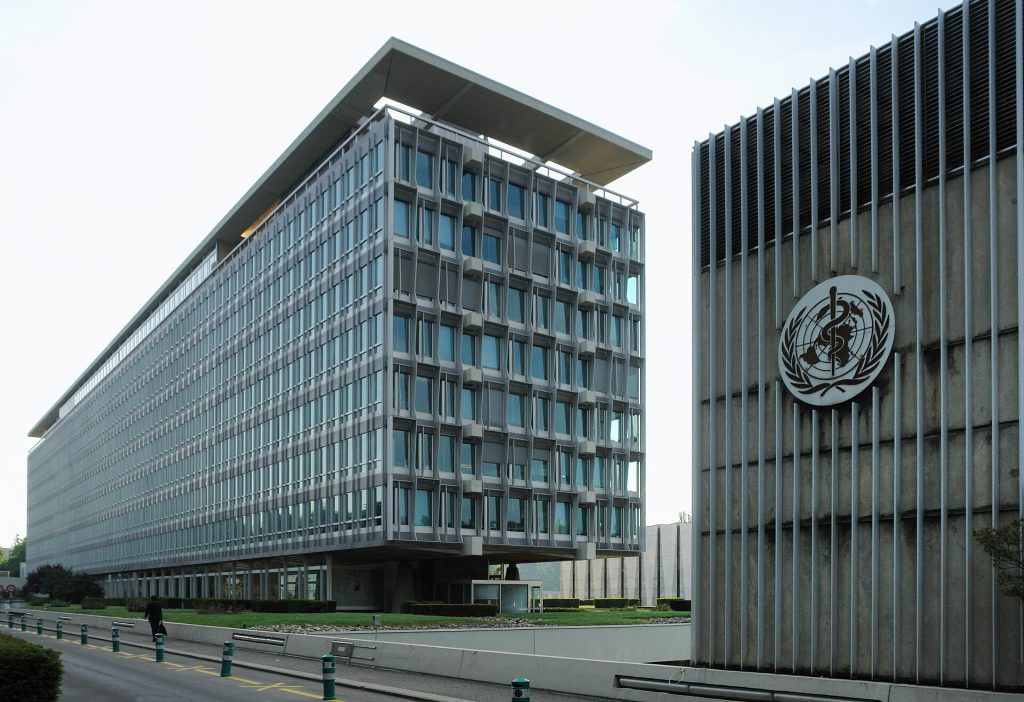
Global leaders demand clarity
The lack of immediate transparency has drawn criticism from high-profile figures. President Trump and WHO Director General Tedros Adhanom Ghebreyesus have both called for complete disclosure. During a press conference on Wednesday, Ghebreyesus emphasized that timely information sharing is essential to clarify conflicting reports and assess potential risks.
“We don’t yet have the full picture of this event,” Ghebreyesus said. “Timely, complete and transparent information sharing under the international regulations is essential to clarify conflicting reports and enable an accurate assessment of potential public health risks.”
Lawrence Gostin, who directs the WHO Center on Global Health Law at Georgetown University, described the situation as a test of the international system. He noted that while the risk to the general public appears low, the incident highlights a major weakness in global health security. The IHR is the only legal mechanism holding nations accountable for reporting outbreaks, yet there is no enforcement mechanism to compel compliance.
“This case shows the good, the bad and the ugly of the IHR,” Gostin said. “Legally, this is the only thing that’s holding Russia to account.”
Experts warn that the coming weeks will be critical. If Russia continues to withhold data, it could undermine the norm of transparency that countries rely on to contain future outbreaks. The WHO continues to monitor the situation in the Irkutsk region, where rumors of a lab leak have circulated despite official denials.
Source: NPR
