


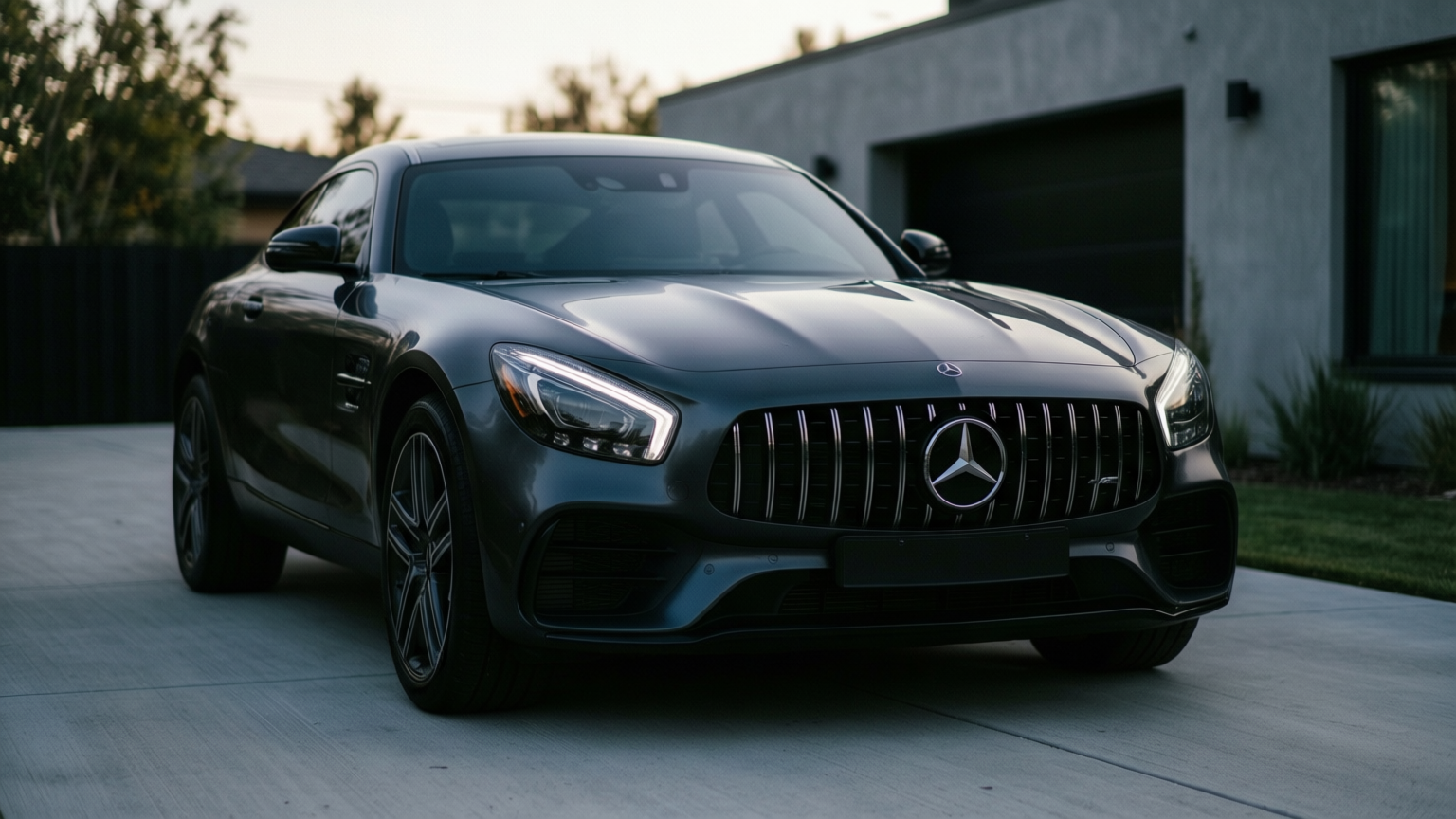
Mercedes-AMG has officially introduced the 2028 GT SUV, marking the first time the performance division has developed a full-size SUV entirely in-house. Scheduled for release in the United States next summer, the vehicle is built on the high-performance AMG.EA architecture, designed to merge sports car handling dynamics with the practicality of a large utility vehicle.
Mercedes-AMG GT SUV Performance and Charging
The lineup will feature three trims: the GT 53, GT 55, and the flagship GT 63. The top-tier GT 63 model delivers 1,153 horsepower using three axial flux motors, the same powertrain found in the recently announced AMG GT four-door coupe. This output positions the SUV to compete directly with high-performance rivals like the Porsche Cayenne Turbo Electric and the Lucid Gravity.
Charging infrastructure is a central feature of the new platform. The GT 63 and GT 55 trims utilize a 128kWh battery pack, while the GT 53 uses a 106kWh unit. Both support 800-volt architecture, enabling charging speeds of up to 710kW for the larger battery and 600kW for the smaller one. Mercedes states that drivers can charge from 10 to 80 percent capacity in just 12 minutes. The 128kWh battery is estimated to provide a maximum range of 435 miles.
The battery technology incorporates cylindrical cells with specialized NCMA cathodes and silicon-containing anodes. An electrically nonconductive oil flows directly around each cell for thermal management, a technique inspired by Formula 1 engineering. This system aims to maintain consistent power delivery and extend battery life under high-load conditions.
Suspension, Weight, and Interior Technology
To manage the vehicle’s mass, Mercedes-AMG replaced traditional mechanical roll bars with an active hydraulic suspension system. This setup eliminates pitch and roll during acceleration, braking, and cornering. The system works in conjunction with three-stage air springs and standard six-degree active rear-axle steering. The GT 63 SUV weighs 5,941 pounds, making it slightly lighter than the Lotus Eletre R and Lucid Gravity, and nearly identical to the Porsche Cayenne Turbo Electric.
Inside, the cabin features a 14-inch display running the MB.OS platform. The system integrates AI agents from ChatGPT, Microsoft, and Google for navigation, web searches, and entertainment. Mercedes also includes a Predictive Performance Manager for track driving, which uses topography data to adjust motor output and conserve battery energy on downhill sections.
Mercedes-AMG has also addressed the lack of engine noise in electric vehicles by piping in recorded sounds of its legendary V8 and six-cylinder engines. The system simulates mechanical gear shifts and includes physical seat vibrations to replicate the feel of a combustion engine. The AMGFORCE Sport+ drive program, which includes these audio and haptic features, is standard across all trims.
Official pricing has not yet been released. The vehicle is expected to launch in the US market next summer.
Source: The Verge
