


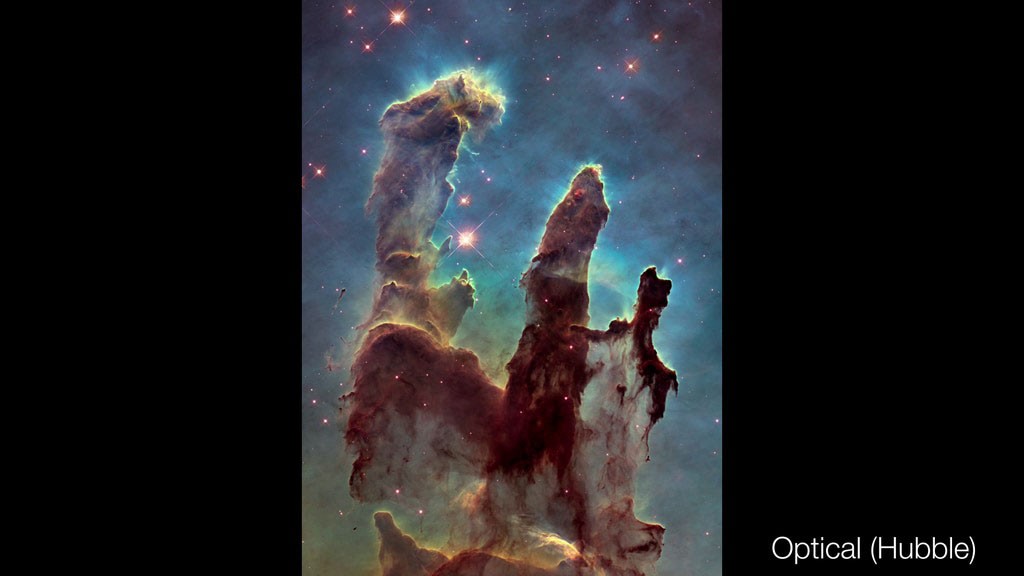
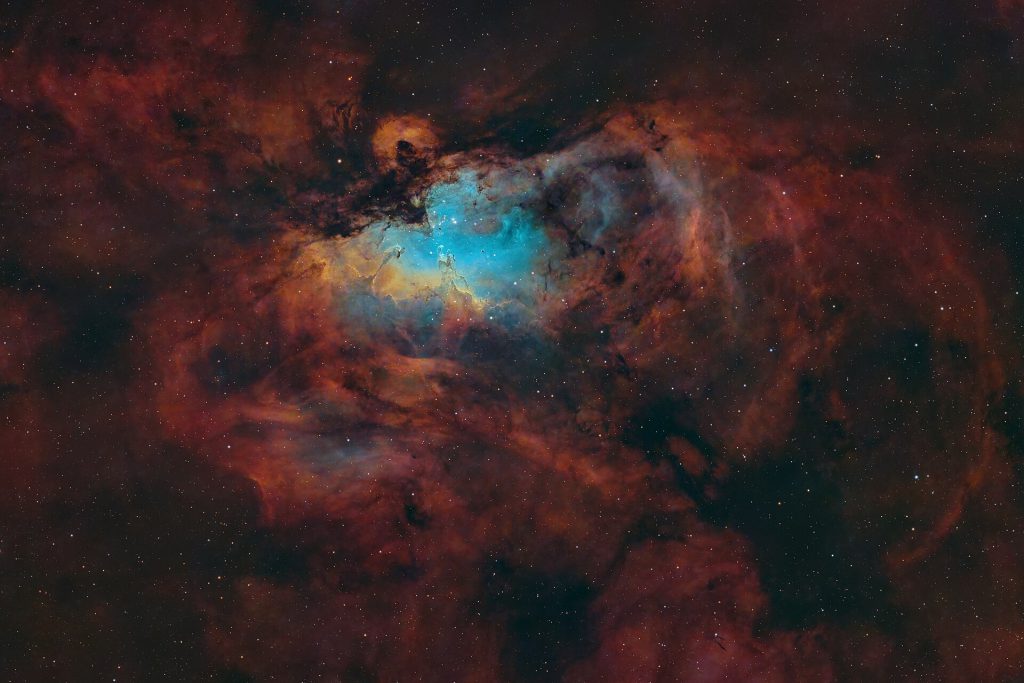
Astronomers have released a new audio representation of the Eagle Nebula, transforming visual data from the Hubble Space Telescope and the Chandra X-ray Observatory into sound. The project, featured as the Astronomy Picture of the Day on October 18, 2026, offers a different way to experience the M16 nebula, a region famous for its towering columns of gas and dust.
Mapping Light to Pitch
The sonification process assigns specific audio characteristics to the visual data captured by the two observatories. As the line of sonification moves from left to right across the image, the vertical position of the data points determines the pitch of the sound. This method allows listeners to perceive the density and structure of the nebula through auditory cues rather than just visual inspection.
The resulting audio captures the interplay between the bright young stars forming within the dark columns and the harsh radiation surrounding them. The sound reflects the turbulent environment where massive stars are actively shaping their surroundings through powerful winds and ultraviolet light.
Star Formation and Destruction
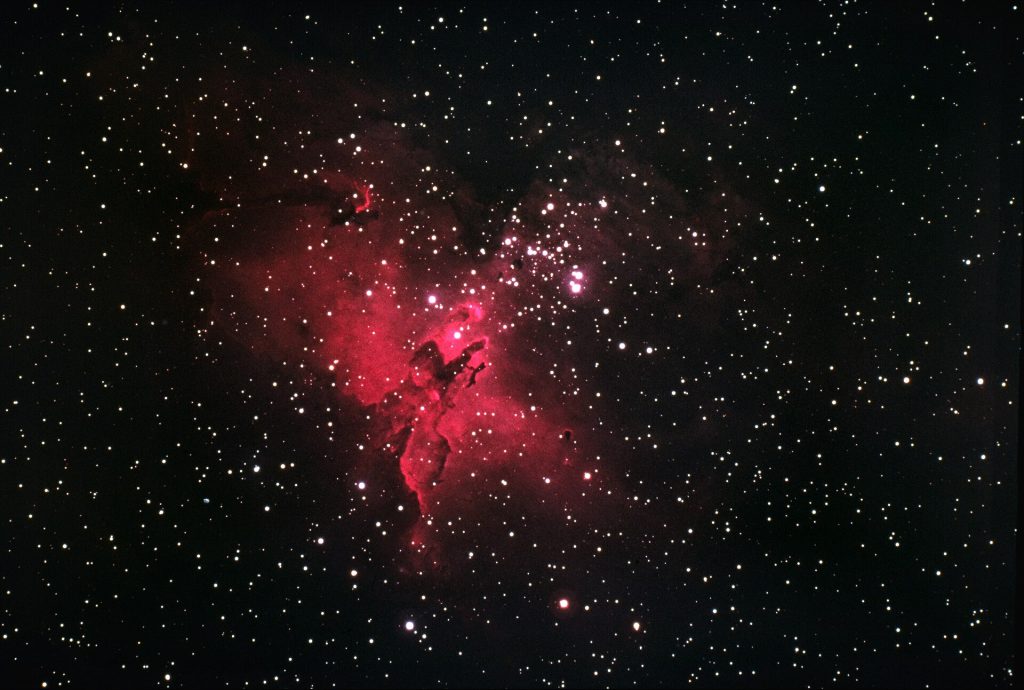
The Eagle Nebula sits approximately 6,500 light-years away in the constellation Serpens. It is best known for the light-years-long columns of cold gas and dust that rise from the nebula’s interior. These structures are not permanent fixtures. The energetic output from the cluster of massive stars in M16 is actively sculpting and eroding the pillars, a process that will eventually lead to their destruction.
Despite their impending demise, these pillars serve as critical laboratories for understanding stellar birth. The turbulent conditions within M16 mirror the environment that likely formed our own Sun. By studying the X-ray emissions from Chandra and the visible light from Hubble, scientists can analyze the physical processes that drive star formation in extreme conditions.
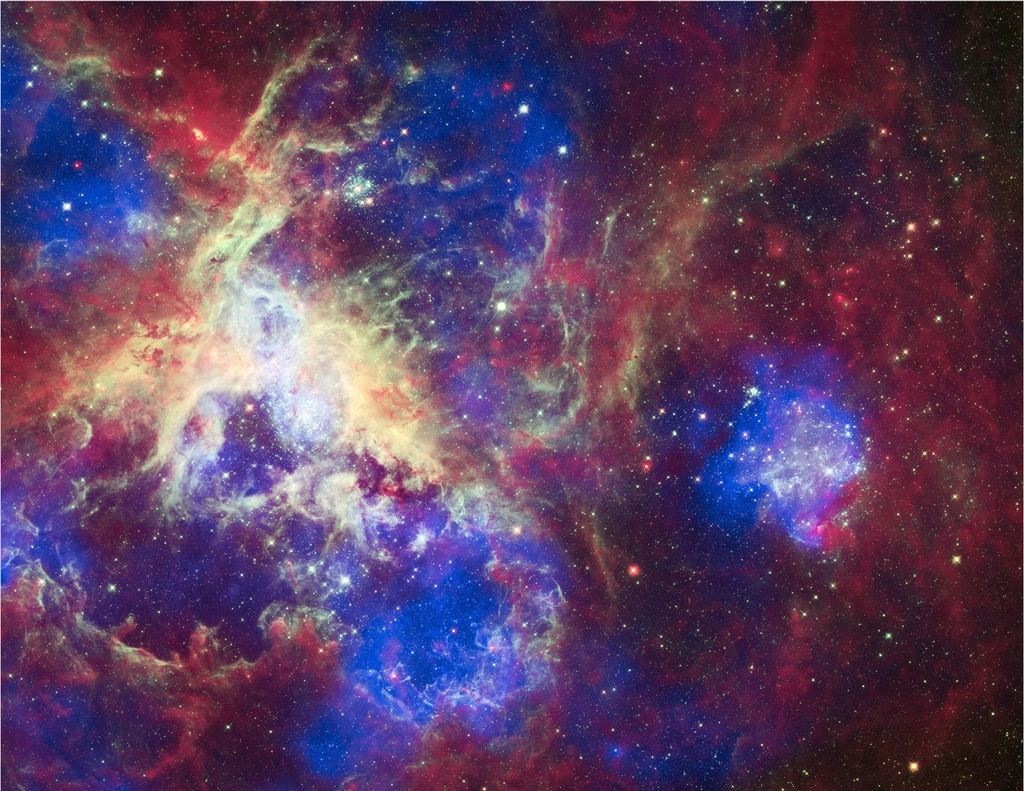
The combined image used for the sonification highlights these details by overlaying the X-ray data with visible light observations. This dual perspective reveals the complex interaction between the newly formed stars and the material from which they emerged. The sonification translates this complex data into an accessible format, allowing the public to engage with the science of the cosmos through hearing.
Source: NASA
