


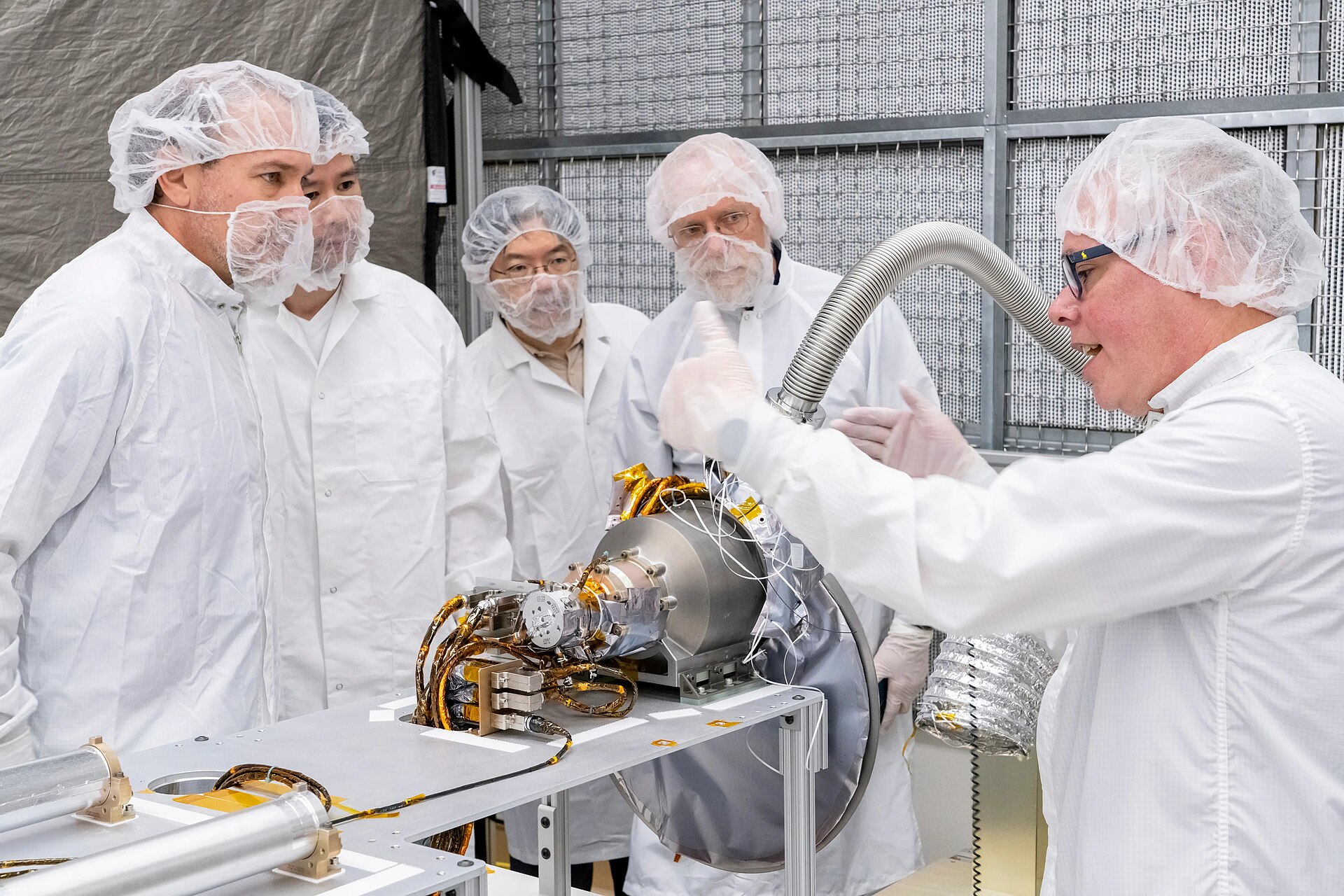
Japan is preparing to launch the world’s first mission to collect and return samples from Phobos, one of the two small, irregular moons orbiting Mars. The Japan Aerospace Exploration Agency (Jaxa) aims to launch the spacecraft on Tuesday aboard a new H3 rocket, beginning a five-year journey that scientists hope will reveal the origins of the solar system.
MMX Mission Timeline and Objectives
The Martian Moons eXploration (MMX) mission is designed to arrive at the Mars region in August 2027. After a flight distance of approximately 500 to 600 million kilometers, the spacecraft will spend three years flying near and around Phobos to collect data and physical samples. The return module is scheduled to bring the samples back to Earth in 2031.
Yasuhiro Kawakatsu, the project manager for the MMX mission, described the Martian moons as the most important unclimbed mountains in the solar system. Despite dozens of missions sent to Mars since the 1960s, its moons remain largely uninvestigated. Multiple Russian attempts to land on Phobos, including a 2011 launch, have failed.
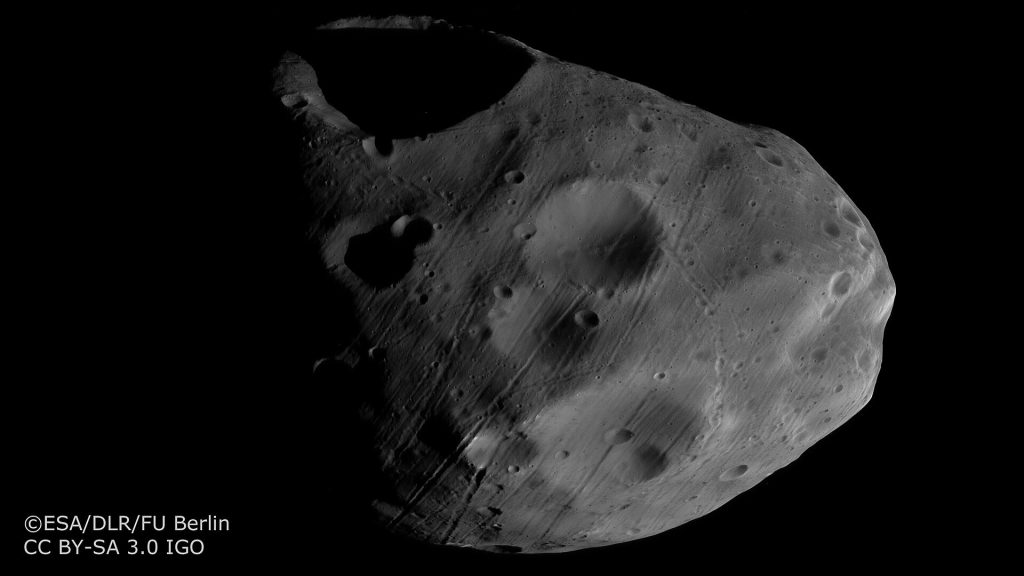
Scientists believe that analyzing soil from Phobos will provide definitive answers about how the moons formed. Some theories suggest they are remnants of debris from a collision with Mars, while others propose they are captured asteroids. Jaxa officials state that they can almost certainly reach a conclusion by analyzing the collected samples.
International Collaboration and Sampling Strategy
The mission is an international effort that includes equipment and communications support from NASA and other national space agencies. The spacecraft carries 13 instruments, including a rover jointly developed by France and Germany, a NASA sampling device, and a deep space communication device from the European Space Agency.
The French-German rover, named Idefix, is scheduled to land on Phobos first. During a 100-day mission around 2029, it will explore the surface to help identify a smooth and level site for the main spacecraft’s landing. The rover is equipped with wheels designed to gain traction in low gravity and can right itself if it tips over.
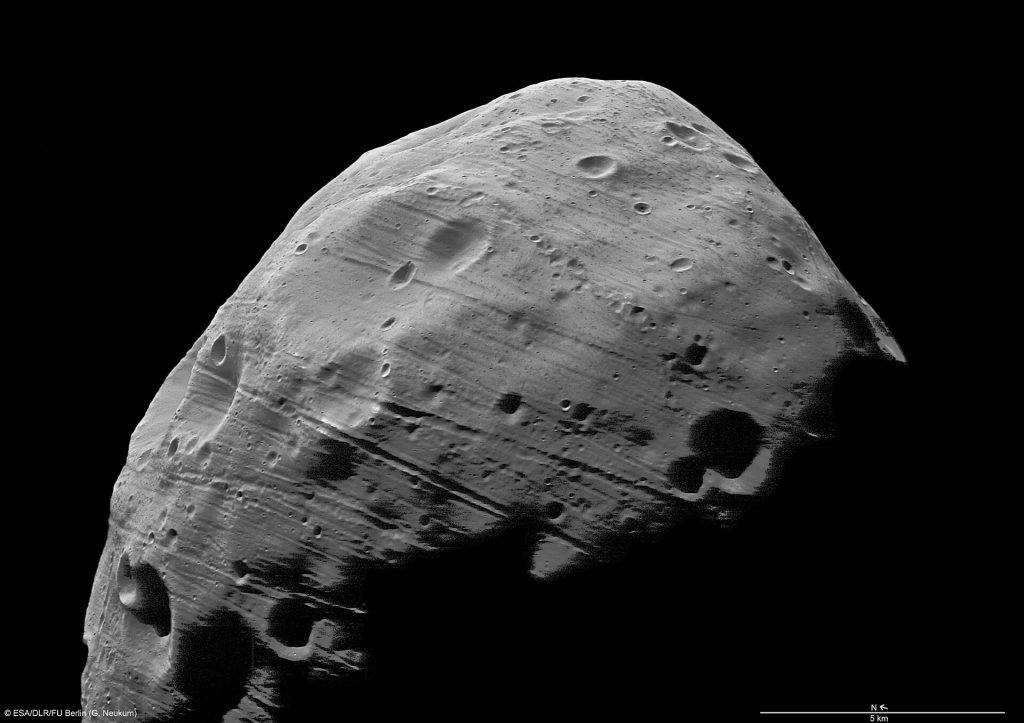
Once the main module lands, Jaxa scientists aim to collect at least 10 grams of soil using two different methods. NASA’s device uses pressurized gas to lift surface dust, while Jaxa’s coring method collects samples from a depth of about 2 centimeters. The first attempt will gather both surface and underground samples, with a second landing planned to collect additional underground material.
Jaxa officials estimate that material from Mars will make up about 0.1% of the material collected from Phobos. Scientists hope that collecting samples from multiple locations increases the chances of finding traces of past microbial life.
Technical Challenges and Return Plan
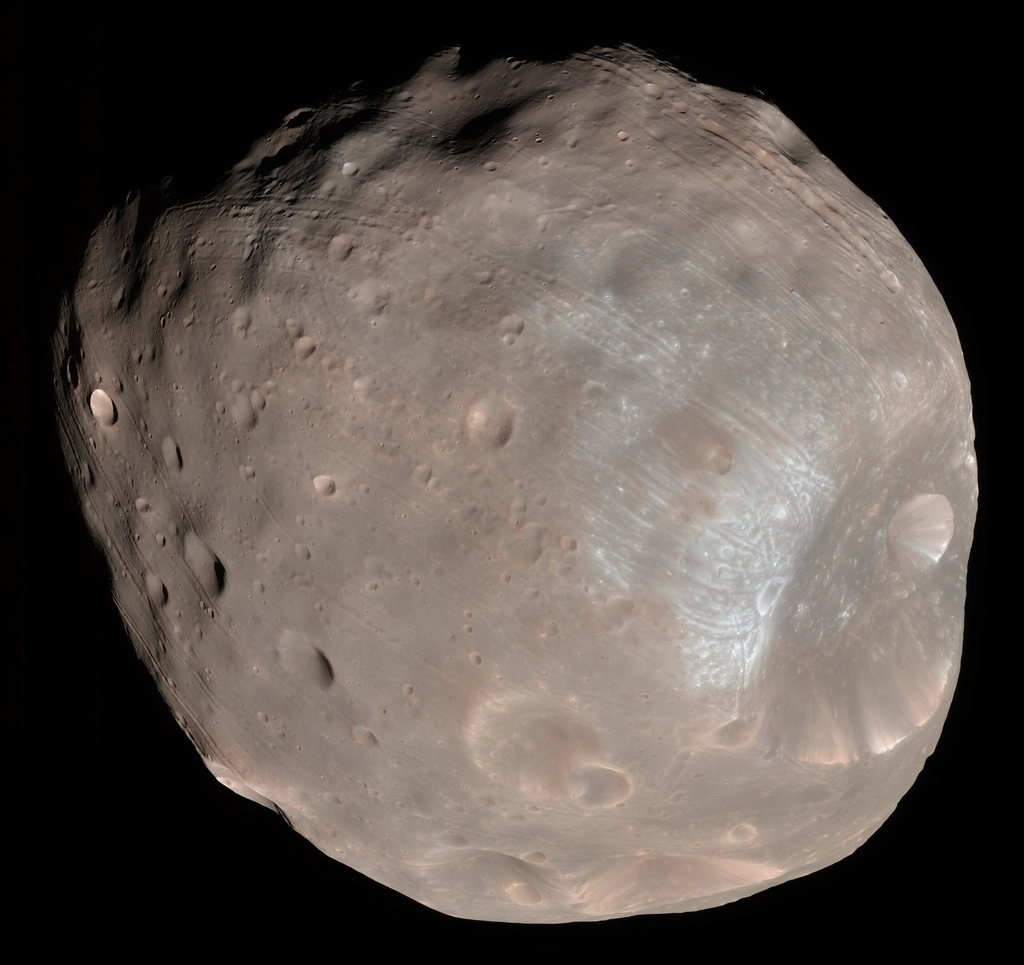
Landing on Phobos presents significant technical challenges due to its low gravity, which is just one two-thousandths of Earth’s gravity. To minimize bouncing at touchdown, the MMX exploration module is equipped with four-legged landing gear featuring shock absorption.
The samples will be stored in a heat-protected capsule designed to survive reentry into Earth’s atmosphere. The module is expected to land in Australia before the samples are transported back to Japan. The mission also includes plans to fly by Deimos, Phobos’s smaller sibling, to collect observations that may shed light on the origins of both moons.
Source: The Guardian
