


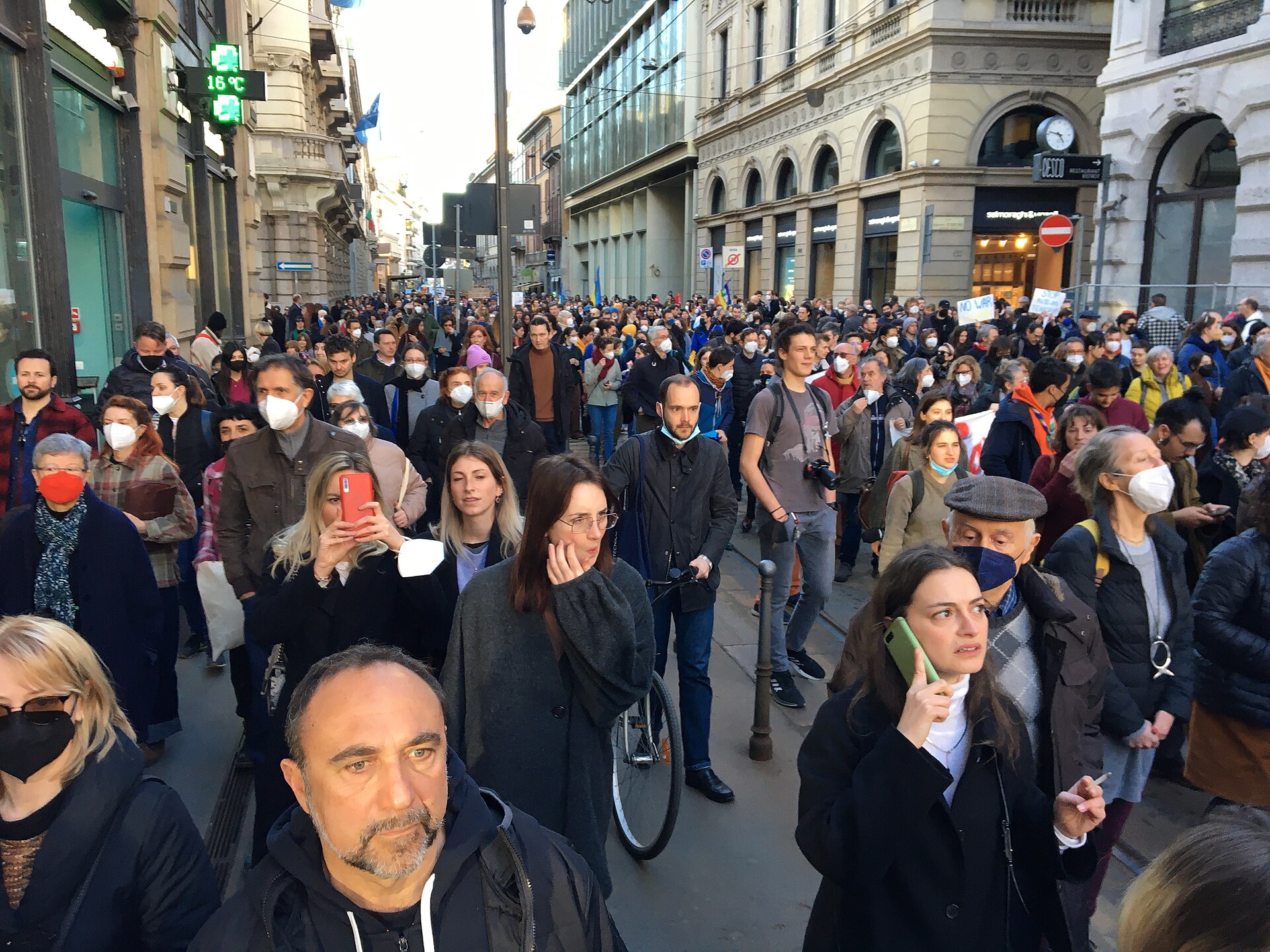
Protests against soaring living costs and the housing crisis have expanded from Spain and France to Italy and Portugal, with violent clashes erupting in Milan and a large tent camp established in Lisbon. The unrest reflects a deepening frustration across Europe regarding unaffordable rent and stagnant wages.
Milan Clashes and Political Response
A march in central Milan on Saturday began peacefully but deteriorated when masked rioters threw stones and paving blocks at police. Demonstrators set fire to barricades constructed from bar tables, prompting authorities to deploy water cannons and tear gas. The aftermath showed a severely damaged carabinieri vehicle, and at least two police officers were injured.
LaPresse reported that approximately 50 demonstrators, including many minors, were detained. Italian Prime Minister Giorgia Meloni condemned the violence in a social media post, stating that while demonstrating is a right, setting cities ablaze is not. She accused hooligans of exploiting the protests to sow chaos and hold cities hostage.
Milan Mayor Giuseppe Sala, a centre-left politician, acknowledged the validity of the protesters’ grievances but stated that violence against law enforcement and damage to the city were unjustifiable. The unrest in Italy follows similar movements in neighboring countries, where economic pressures have triggered widespread demonstrations.
Lisbon Tent Camp and Housing Crisis
In Portugal, hundreds of protesters gathered at Rossio Square in Lisbon to demand action on the housing crisis. A tent encampment was established over the weekend, mirroring a protest site in Madrid that began three weeks ago. The gathering followed a nationwide march that drew thousands of participants.
Elena Costa, a 46-year-old social assistant, told reporters that the working class is losing its rights, particularly the right to housing. She described the situation as suffocating for those who pay taxes and keep the country running. Antonio Margado, a 52-year-old engineer, criticized the centre-right government for a liberalization of rents that he said protects owners while leaving tenants vulnerable.
Official data shows that Portuguese housing prices rose by 124 percent between 2015 and 2024, a rate roughly twice as fast as the European Union average. The impact is particularly severe in Lisbon, where about a quarter of Portugal’s 11 million inhabitants live in the greater metropolitan area. The protest in the capital amplified earlier demonstrations in Porto, where dozens of tents had already been set up.
Prime Minister Luís Montenegro stated that his government understands the public’s outrage over perceived omissions in public policy. However, he warned political rivals against importing climates of instability from other European nations, suggesting that the violent protests seen in France do not reflect the mood of Portuguese society.
Wider European Unrest
The disturbances in Italy and Portugal are part of a broader wave of unrest across Europe. In Albania, protesters have demanded the resignation of Prime Minister Edi Rama over university conditions and high tuition fees. Demonstrators there have thrown rocks and Molotov cocktails at police, leading to the first use of rubber bullets by authorities since the protests began.
Earlier this month, Spain experienced significant unrest after an 87-year-old woman was evicted due to a 230 percent rent increase. The incident sparked a protest camp in Madrid and led the socialist government to propose emergency housing measures. When these measures were voted down by right-wing parties, Prime Minister Pedro Sánchez announced a snap general election for late November.
France has also seen over 1,200 arrests as protests supporting high school students clashed with police. Buildings were set ablaze and shops looted in some areas, escalating a movement that began with concerns over school facilities and inequality in the northern suburbs of Paris.
Source: The Guardian
