



For many people, music serves as a soundtrack to their happiest memories. Concerts at major festivals, road trips with friends, and intimate moments with partners are often tied to specific songs. However, when a significant relationship ends, that same music can become a source of intense pain. One woman found that her usual playlists of pop anthems and love songs triggered overwhelming grief, leading her to seek a completely different musical outlet.
Escaping the Pain of Pop Music
Just over a year ago, the end of a long-term relationship left the author devastated. The artists she had loved for years, including Beyonce, Madonna, and Kylie Minogue, suddenly felt unbearable. Every song seemed to highlight the intimacy and love she had lost. Listening to these tracks resulted in public crying spells and a deep sense of sorrow that she could not shake.
Attempting to protect herself, she stopped listening to music entirely. She replaced her playlists with journalism podcasts, true-crime audiobooks, and ambient noise. While this provided a temporary distraction, it left a void in her life. Music had always been a central part of her identity, and its absence felt unnatural. She realized that avoiding the topic of love was limiting her ability to function normally.

Months later, while scrolling through a streaming service, she asked herself what genre was furthest from her usual taste. She clicked on a playlist for hardcore punk. The first band she played was loud, frantic, and raw. The intensity of the sound was so overwhelming that she could barely make out the lyrics. For the first time in months, she did not cry. The aggressive energy of bands like Malevolence and Every Time I Die provided a shock to the system that her gentle pop favorites could not.
The Catharsis of the Moshpit
A week after discovering the genre, she learned that Knocked Loose, a hardcore punk band from Kentucky, was performing a midnight show in Manchester. She booked a ticket, feeling a mix of excitement and dread. The Albert Hall was packed with an energetic crowd. When the band took the stage, the atmosphere shifted from anticipation to chaotic movement.
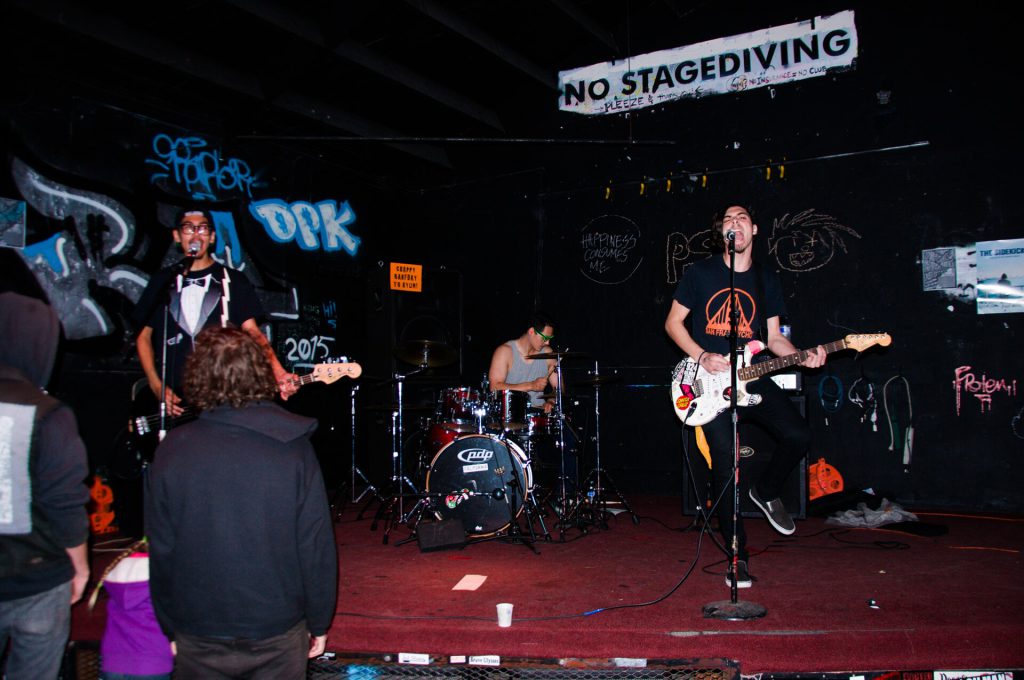
The moshpit was a physical experience unlike anything she had encountered before. Bodies collided, limbs flailed, and people climbed onto the stage only to be pushed back into the crowd. Initially terrified of getting hurt, she watched from the wall. When the lead singer encouraged more movement, she stepped forward. A stranger bumped into her, sending her stumbling into someone else. Instead of anger, she found smiles and a sense of shared experience.
She soon felt absorbed into the collective energy of the crowd. The physical exertion allowed her to move her body freely without worrying about appearance or judgment. In that sweaty, chaotic environment, she found a temporary escape from her thoughts. There was no desire to check her phone or dwell on her ex-partner. The noise and physical contact created a protective bubble where she felt safe.
As the night progressed, she realized that the music was not just noise. Underneath the aggressive exterior, the songs contained the same vulnerability and grief she had been running from. The moshpit became a form of radical therapy. Instead of suppressing her emotions, she allowed them to spill out through the physical act of moshing. She understood that the pain was not caused by the music, but by her refusal to accept her feelings.
After the concert, she gradually returned to her previous playlists. She allowed herself to feel the sadness that music stirred up. Her heart began to mend. She recently listened to an Ariana Grande album without crying. While some songs still cause pain, the feelings are no longer consuming. She has reconciled with her favorite artists, recognizing that the hardcore community helped her process her grief and return to her normal life.
Source: The Guardian
