


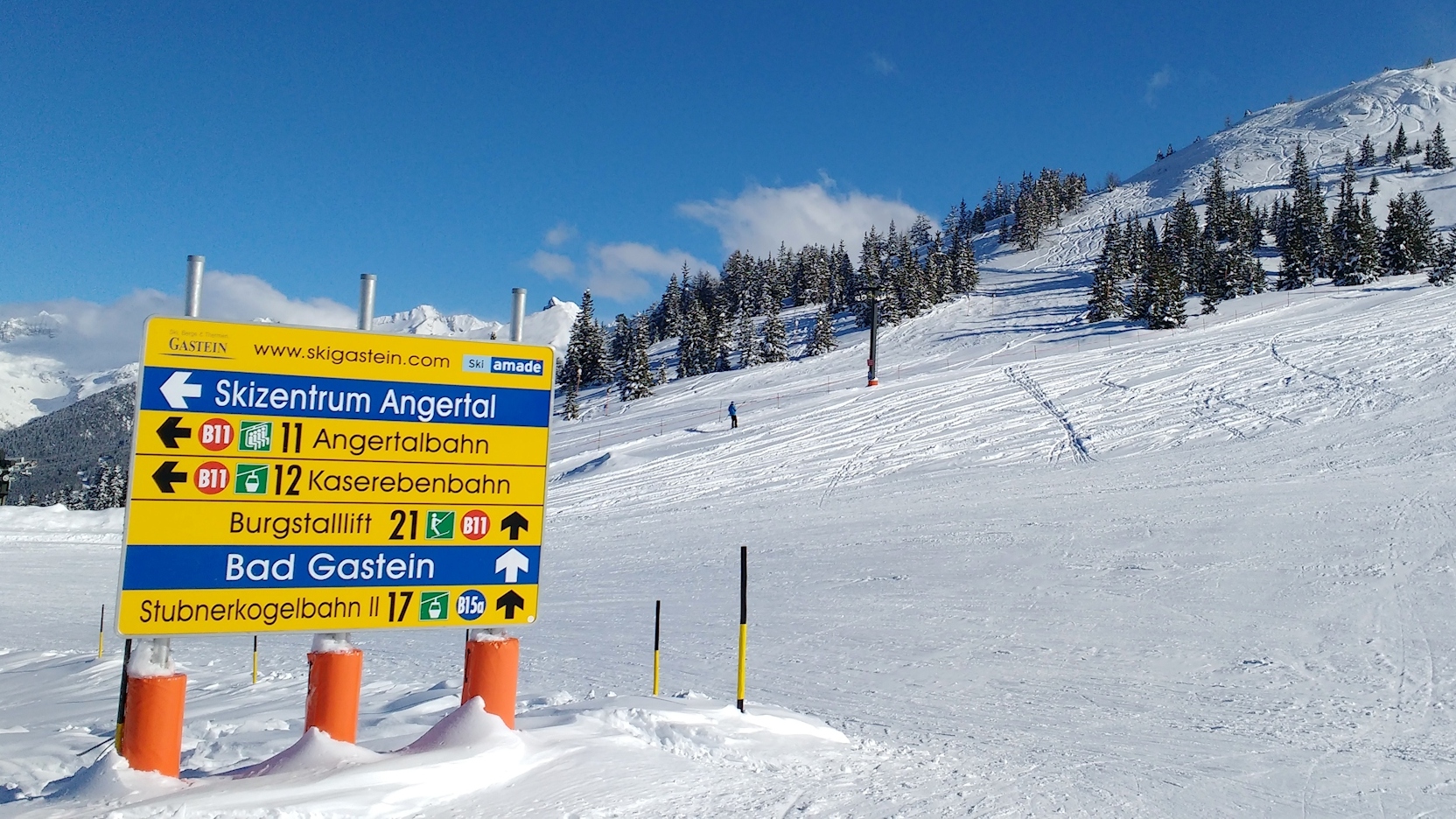
Travelers are turning away from massive, congested ski hubs in favor of smaller, more intimate European villages. Recent recommendations highlight destinations that offer accessible slopes, historic charm, and significantly fewer lift lines. From the Austrian Alps to the Norwegian fjords, these spots provide a relaxed alternative to the continent’s busiest winter playgrounds.
Austrian and German Villages Offer Convenience
Bad Gastein in the Austrian state of Salzburg has emerged as a hidden gem for visitors seeking ease of access. The region provides a guest mobility ticket for free local transport, allowing guests to reach the slopes directly from the train station. This setup eliminates the need for car rentals or shuttle buses, placing skiers on the mountain almost immediately upon arrival.
Similarly, St Johann in Tirol appeals to families with its compact layout and reasonable pricing. The village sits close to Salzburg airport, and most accommodations offer walking access to gondolas. The area is known for its Christmas markets and frozen valley walks, where wildlife such as marmosets and weasels can be spotted. A notable advantage for parents is the availability of full-day ski lessons for children, allowing adults to enjoy local gluhwein or explore the village independently.
In Germany, Oberstdorf remains a top choice for those seeking a restorative break. The resort features 130 kilometers of pistes suitable for all skill levels. It offers a unique cross-border experience, allowing skiers to enter and exit Austria daily. The area is also dotted with Bavarian restaurants and mountain huts, with the famous Neuschwanstein Castle just a short trip away for a day off the slopes.
French and Italian Spots Blend History and Terrain
French resorts like Puy-Saint-Vincent and Saint-Martin-de-Belleville cater to different types of travelers. Puy-Saint-Vincent is praised for its gentle, wide slopes and child-friendly instructors, making it ideal for multi-generational family trips. Visitors often enjoy dog sled rides and slopeside hot chocolate after skiing.
Saint-Martin-de-Belleville, located in the Les Trois Vallées area, sits at a lower altitude of about 1,500 meters. This makes it a solid mid-season option. The resort retains its historical character with small bars and eateries. A single run ends directly in the village center, providing easy access to the vast Trois Vallées ski area without the need for long transfers.
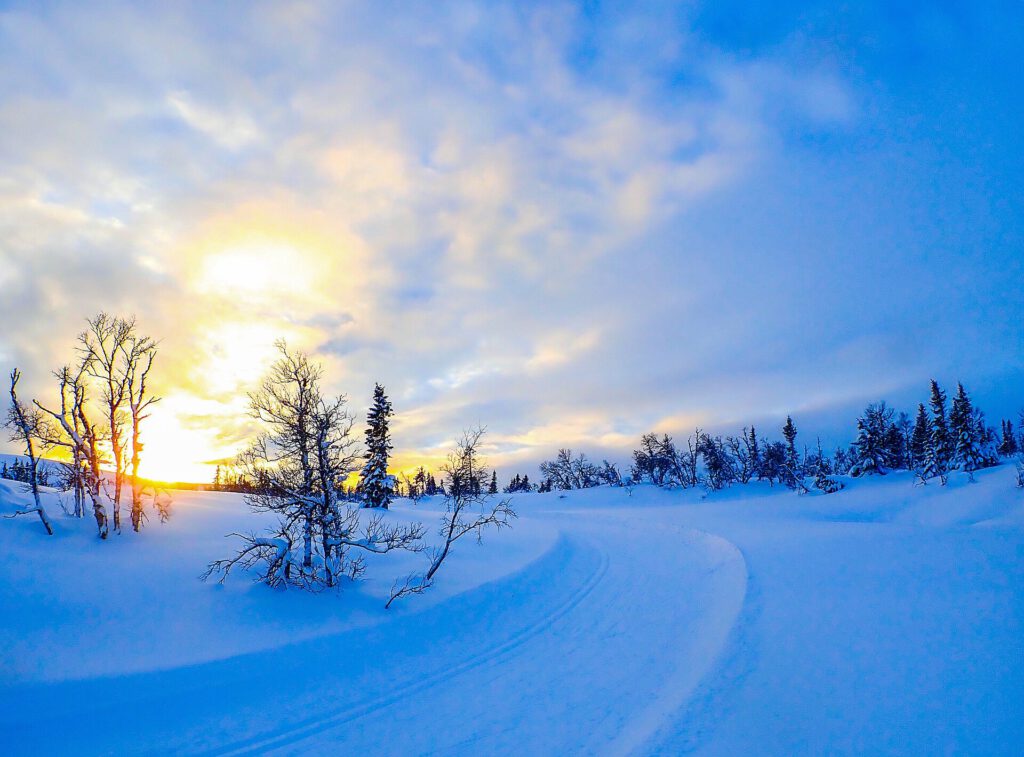
On the Italian side, Tarvisio-Monte Lussari spans the border with Slovenia. The resort covers 24 kilometers of interconnected terrain, including the historic Monte Lussari pilgrimage peak. It is noted for offering good value ski passes and restaurants at prices significantly lower than neighboring Austrian resorts. Brunico in the Dolomites is another Italian option that draws visitors for its lack of queues and varied terrain, located just 90 minutes from Innsbruck.
Norwegian Adventures Combine Skiing and History
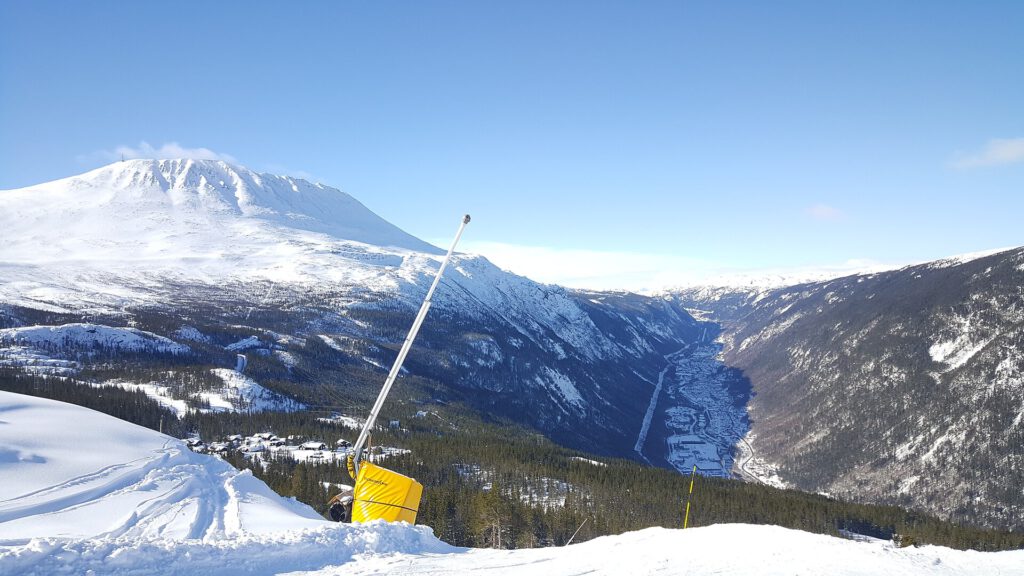
Norway offers a distinct mix of skiing and historical exploration. Gausta is highlighted for its quirky Gaustablikk hotel, built by a stuntman for Kirk Douglas. The area is rich in World War II history, with the Vemork heavy-water plant nearby, where resistance fighters carried out sabotage missions. The resort provides friendly on-piste skiing for families and stunning cross-country trails. For advanced skiers, an old US military train climbs Gaustatoppen, opening up off-piste terrain with views comparable to mainland Europe.
Strandafjellet, located about 50 kilometers from Ålesund, offers excellent pistes and some of the best off-piste skiing in Norway. The area allows access to backcountry skiing in the Sunnmøre Alps via lifts. The slopes are illuminated for evening skiing, and the views down to the fjord provide a dramatic backdrop. La Rosière in the Mont Blanc foothills offers a quieter experience, with a short forest walk to the village center for après-ski drinks and fondue.
These destinations demonstrate that high-quality skiing does not require enduring large crowds. By choosing smaller villages, travelers can enjoy better value, easier access, and a more authentic cultural experience while still accessing extensive ski areas.
Source: The Guardian
