


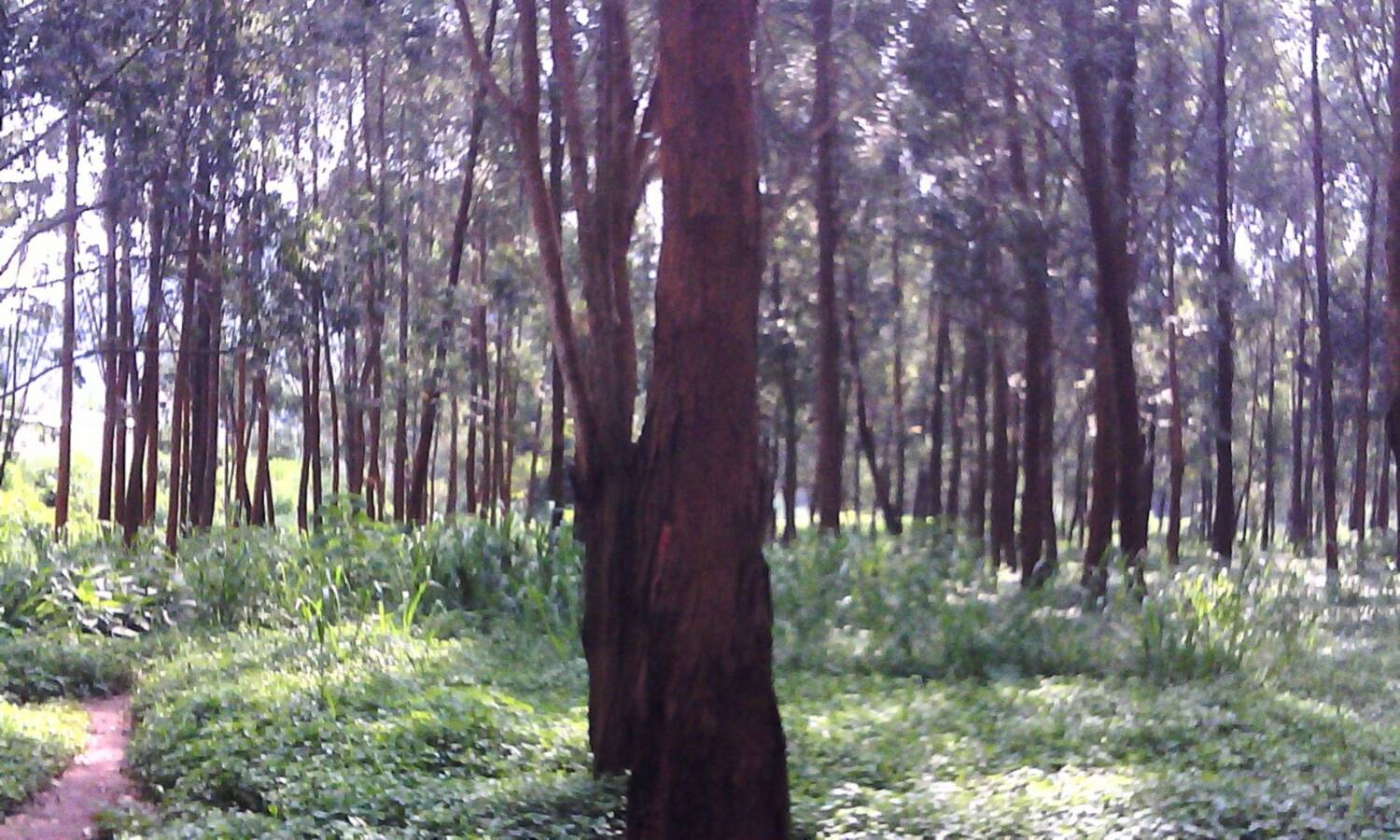
Concrete expansion in Yaounde, the capital of Cameroon, has drastically reduced the city’s tree cover and public parks. In response, local volunteers and students are organizing efforts to restore small green areas and map remaining wooded sites.
Sosthène Hugues Ngono, a 36-year-old mathematics teacher, remembers when a public park in the Essos neighborhood was a place for relaxation and social connection. In February last year, that park was cleared to make way for a private car park. Ngono noted that the loss was personal but reflected a much larger trend affecting the entire city.
Urban Sprawl Reduces Tree Cover
Research from the University of Yaounde shows that the city’s land area grew from 85 square kilometers in 1984 to 181 square kilometers in 2024. During the same period, the percentage of land covered by trees dropped from 28.6% to just 5.4%.
The population of Yaounde reached 5.1 million in 2025, according to the United Nations. This rapid growth has created a severe housing shortage. Cameroon’s housing ministry estimated a national deficit of 2.5 million units in 2020. With formal housing supply falling short, many residents have built informal settlements on hillsides, wetlands, and valleys that previously served as the city’s green belt.
These unregulated developments have replaced natural landscapes with concrete, increasing the risk of flooding and reducing the city’s ability to manage heavy rains.
Community-Led Reforestation Efforts
Despite the loss of large parks, a grassroots movement is working to reintroduce vegetation. Jean-Baptiste Tchengang, a 34-year-old gardener, runs workshops in the Nkolbisson district to teach residents how to grow ornamental plants and shrubs in small yards.
Tchengang has trained approximately 300 people since 2022. He selects plants that are easy to multiply and suited to the local climate. Ten of his former students have established their own gardens on abandoned plots, growing vegetables and medicinal plants.
Access to land remains a significant obstacle. Tchengang stated that funding is scarce, plants are expensive, and new gardens are often targeted by theft. When the Yaounde city council has funds available, it hires him to plant and maintain shrubs, but this work is not consistent.
In July, Tchengang gathered about 50 young volunteers to learn his methods. The group aims to present their findings to local authorities to advocate for more structured support.
Mapping Remaining Green Areas
Mireille Nonga, a 33-year-old urban planning student, is using academic research to identify sites for reforestation. Since 2023, she and 20 classmates have mapped the city’s green spaces. They have identified 10 potential locations for new trees based on land availability, proximity to water, and foot traffic.
Nonga emphasized that understanding the location of remaining green areas is essential for defending them. Currently, only a few central locations, such as the Sainte-Anastasie wood and the garden at Place Charles Atangana, remain. Even these sites suffer from inconsistent maintenance.
Climate specialist Jean-Marie Essoh noted that trees in Yaounde serve a critical function beyond aesthetics. They absorb rainwater, reduce soil erosion, and lower urban temperatures. The removal of trees releases stored carbon and makes the city more vulnerable to climate impacts.
The Yaounde city council launched the MoVe Yaounde project in January 2024. This four-year urban renewal plan includes the creation of 1,000 square meters of green space in the city center, featuring tree-lined avenues and permeable paving. A call for tenders for landscaping work was published in September.
Until these official projects are completed, residents like Ngono and Nonga continue to monitor the loss of green space. The council referred questions about the Essos park conversion to the official in charge of the MoVe Yaounde project, who did not provide a comment.
Source: The Guardian
