


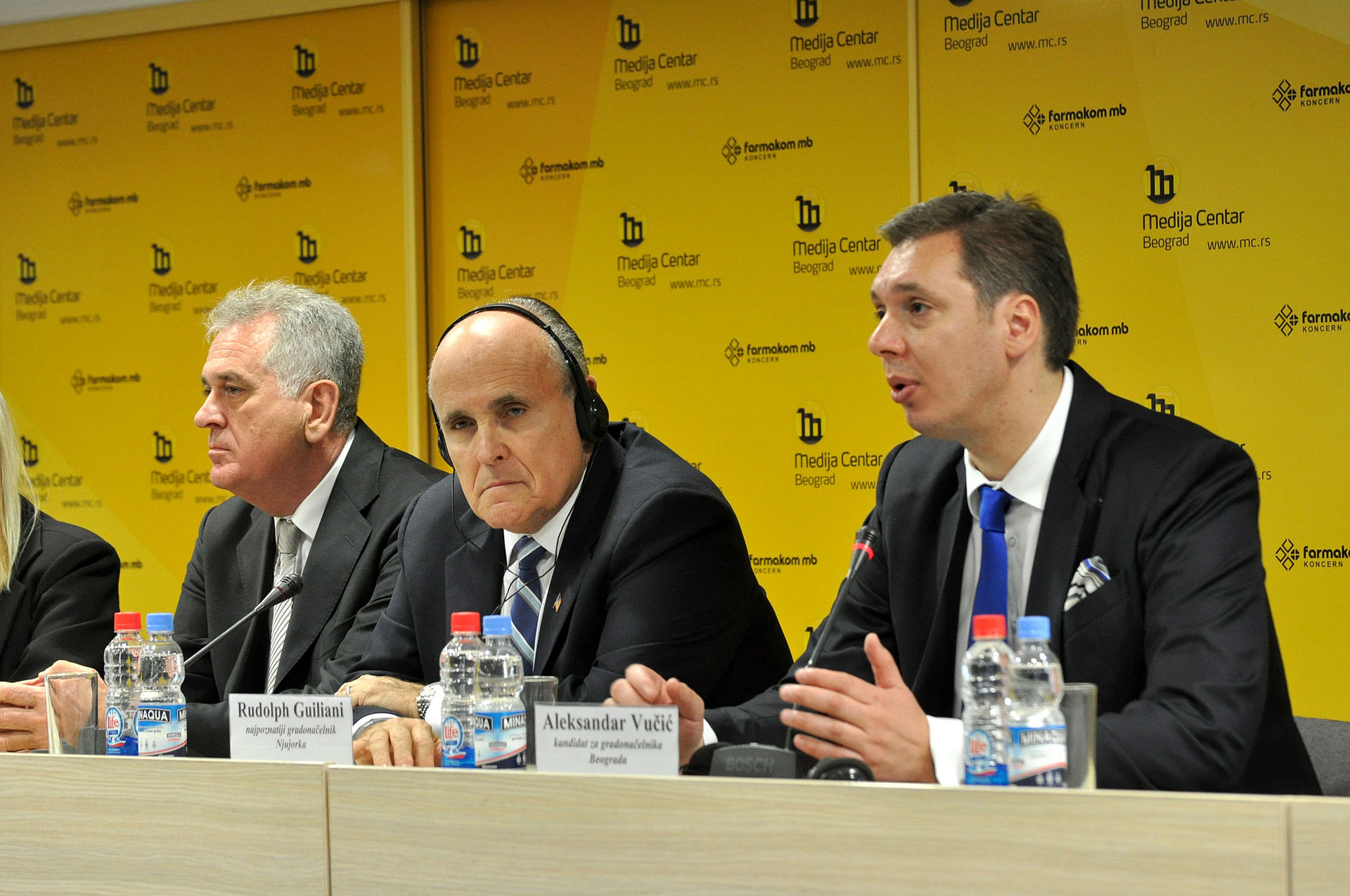
Aleksandar Vucic, the leader who has dominated Serbian politics for over a decade, has conceded defeat in the country’s parliamentary election. The admission marks the end of his 12-year reign and ushers in a significant political shift following a historic vote that saw a student-led movement secure a majority in the 250-seat parliament.
Vucic addressed supporters at his party headquarters in Belgrade, acknowledging the preliminary data that indicated a loss. “We still do not have final results,” he said. “On the basis of a sample … it is clear that we have lost these elections, the Student’s List has won, they will have between 135 and 140 seats and we will have 105.”
Historic Turnout and Early Celebrations
The election, held on Sunday, saw a record number of voters participate, with turnout reaching 67.6% by 7pm local time. This figure represents the highest voter participation since the breakup of Yugoslavia in 1992. Long lines snaked out of polling stations across the country, with some voters waiting up to two hours to cast their ballots.
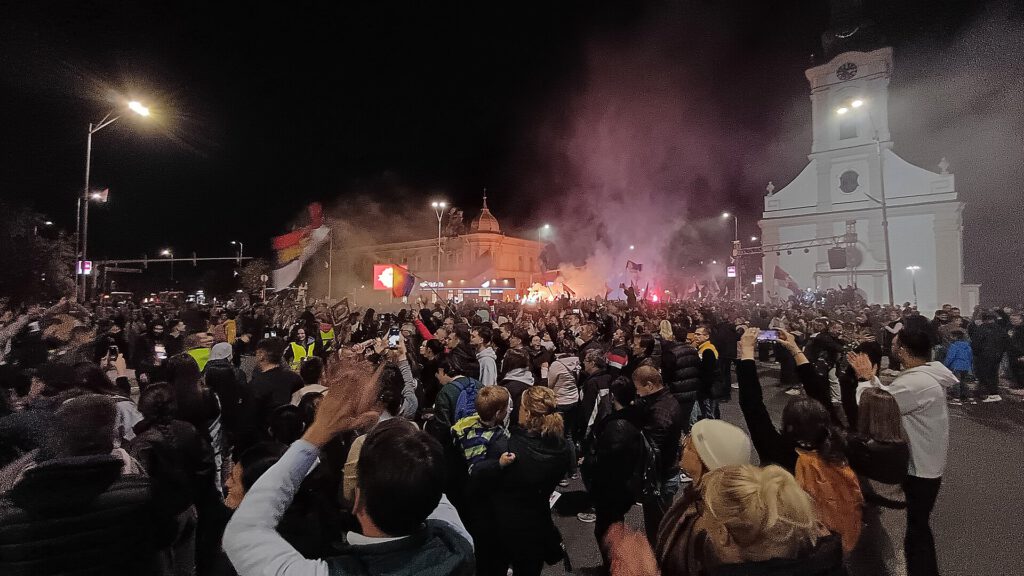
News of the concession triggered immediate celebrations in Belgrade and other cities. Residents took to the streets, offering handshakes and hugs to police officers while car horns honked in the air. At the headquarters of the Student List, supporters chanted “Victory” and embraced one another.
“Dear Serbia, tonight the voice of the people is being heard,” said Radomir Saičić, a professor at Belgrade University, speaking on behalf of the students. “Tonight we celebrate victory, tomorrow we build the future.”
From Tragedy to Political Upheaval
The path to this election began in November 2024, when a concrete canopy collapsed at the Novi Sad railway station, killing 16 people. The tragedy sparked protests among students, which quickly evolved into a broad anti-government movement. Evidence emerged suggesting that poor construction, fraud, and corruption contributed to the roof collapse.
As pressure mounted, Vucic resigned the presidency last month to call for snap elections. The student movement seized the opportunity to transform their grassroots activism into political power, announcing a slate of 250 candidates for the 250-seat parliament. Their platform focused on rebuilding the economy and restoring democratic institutions.
The campaign was an uphill battle against Vucic’s Serbian Progressive Party (SNS), which controlled most broadcast channels and wielded state institutions as political tools. Vucic attempted to undermine the students by accusing them of being proxies for foreign powers, a charge they dismissed. He also campaigned on pledges to increase pensions and public sector salaries.
Despite these challenges, the students staged rallies in rural areas, traditionally strongholds for Vucic, and went door-to-door with the slogan “Serbia or Mafia?” Dejan Bodiroga, a candidate on the Student List and president of Euroleague Basketball, told reporters that the country was voting to decide its direction. “Today, above all, Serbia is fighting for freedom and for the return of a country that has been hijacked,” he said.
Election Irregularities and Regional Impact
Before the vote, both international and local monitors raised concerns about detentions, surveillance, and cyber-attacks against activists. On election day, independent groups reported irregularities, including the photographing of ballots, attempted vote-buying, and carousel voting. Raša Nedeljkov of the election monitor CRTA noted that violent incidents outside polling stations were becoming increasingly frequent.
The outcome of the Serbia election results is being watched closely across Europe. The victory for the student-led movement adds momentum to youth and student protests that have rocked cities across the continent. Vucic’s swift admission of defeat mirrors the actions of his ally, Hungarian Prime Minister Viktor Orbán, six months ago, fueling hopes of a democratic resurgence in Central Europe.
Pollsters CESID and Ipsos estimated that the Student List would secure 138 deputies, while the SNS would gain 104 seats. The remaining seats are expected to be shared among ethnic national minority parties. As the country prepares for a new political era, the focus now shifts to the formation of a government and the implementation of the students’ reform agenda.
Source: The Guardian
