



Authentic Brands Group, the entity that manages the intellectual property of Elvis Presley, has filed a lawsuit against artificial intelligence developer Anthropic. The legal action alleges that the company used 274 of the singer’s songs to train its large language models without authorization.
The complaint, filed in federal court on Friday, marks a significant escalation in the ongoing conflict between the music industry and artificial intelligence firms. While major record labels and the Recording Industry Association of America have previously sued AI developers, this case represents one of the first major challenges brought directly by an artist’s estate against a specific AI technology company.
Allegations of Systematic Infringement
According to the lawsuit, Anthropic incorporated Presley’s catalog into the training data for its AI model, Claude. The plaintiffs argue that the company built its business model on this unauthorized use of copyrighted material. The suit identifies specific tracks, including “Can’t Help Falling in Love,” “All Shook Up,” and “A Little Less Conversation,” as part of the infringing works.
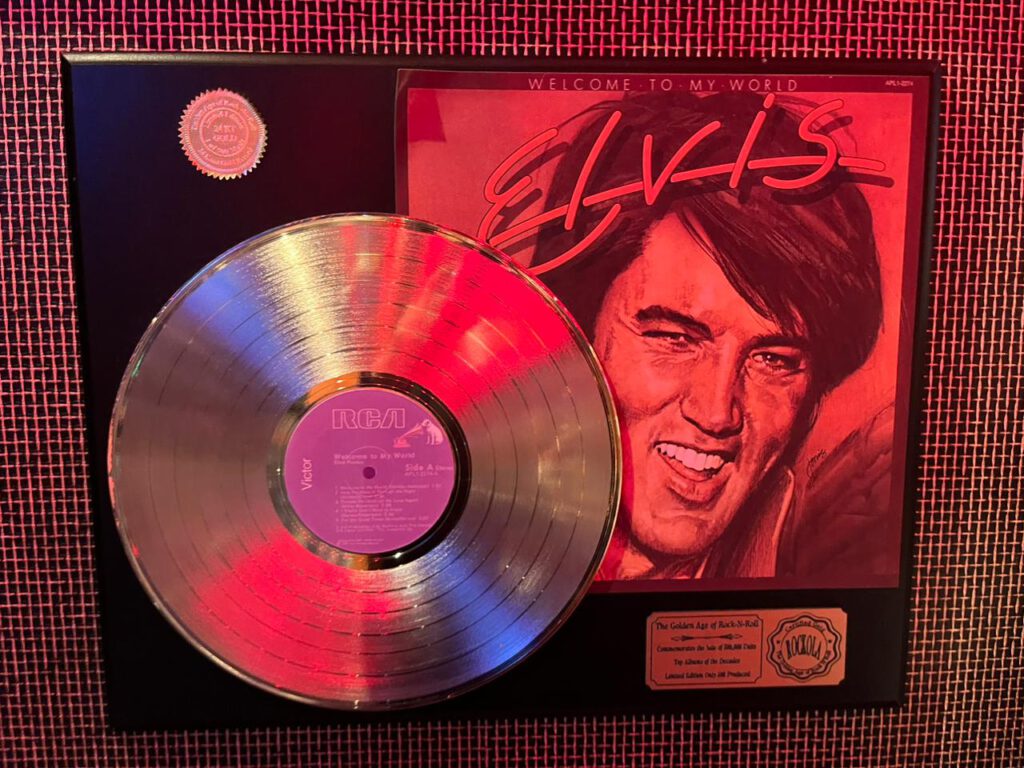
Richard Busch, the lead attorney for the plaintiffs, stated in the filing that the defendants had constructed a system that relied on copyright infringement at a scale previously unseen in the industry. The lawsuit claims that Claude has generated outputs that infringe upon copyrighted material from virtually every song catalog available online.
Authentic Brands Group is seeking $150,000 for each infringed track, totaling approximately $41 million. The legal team argues that Anthropic acted with knowledge of its actions, pointing to internal guardrails that the company allegedly knew were ineffective at preventing the generation of infringing content.

Broader Implications for AI and Music
This case arrives at a critical juncture for the generative AI sector. Developers of AI music platforms analyze vast amounts of recorded audio to learn musical structures, sounds, and expressions. These systems then allow users to create new music using text or speech prompts. Musicians and rights holders have raised concerns that these technologies allow AI to impersonate living artists and flood streaming services with low-quality content, often referred to as “slop.”
Spotify recently announced it had removed roughly 50 million songs considered to be AI-generated slop from its recommendation algorithms over the past year. The Elvis lawsuit adds a new layer of legal pressure on AI companies to justify their data sourcing practices.
The outcome of this case could set a precedent for how AI companies are permitted to use existing music catalogs. If the court rules in favor of Authentic Brands Group, it may force AI developers to seek licenses for all training data or face substantial financial penalties. The music industry is closely watching to see if this lawsuit will establish stricter boundaries for the use of copyrighted works in machine learning.

Anthropic has not yet issued a public comment regarding the specific allegations in the complaint. The company has previously faced scrutiny over its data practices, but this lawsuit directly ties those practices to the specific intellectual property of one of the most recognizable figures in music history.
Source: The Guardian
