


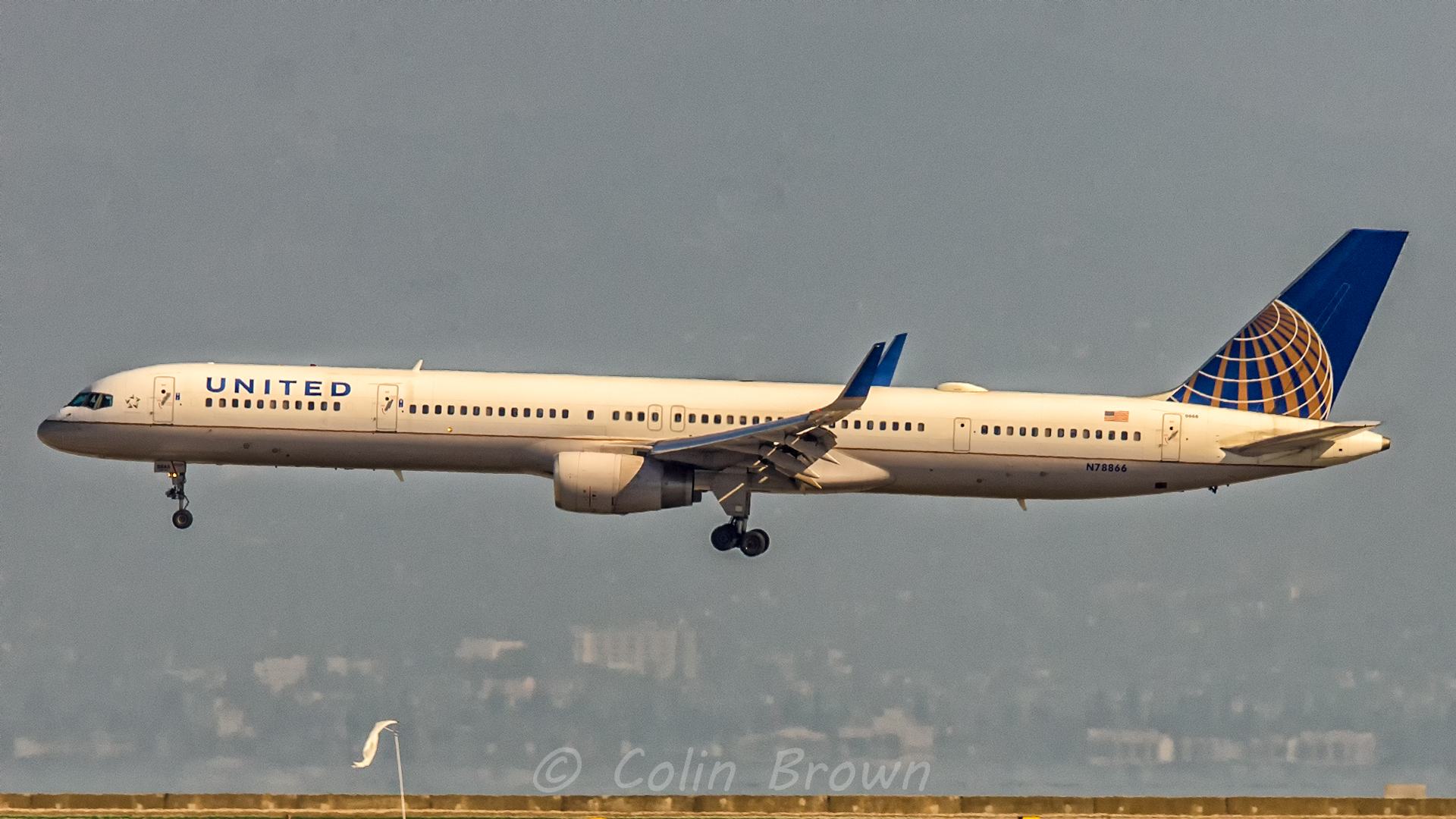
Major U.S. airlines are turning high-speed satellite internet into a central pillar of their business strategy. Executives at United, American, and Southwest Airlines are betting that Starlink will help them grow revenue and attract more customers in an environment of soaring fuel costs. The technology has moved beyond a simple passenger amenity to become a competitive weapon in the fight for market share.
During its most recent earnings call, United Airlines mentioned Starlink 24 times. CEO Scott Kirby devoted significant time to the technology, describing it as a “truly differentiating RASM tailwind in 2027.” RASM refers to revenue per available seat mile, a key metric for airline profitability. Kirby noted that while high-speed low earth orbit Wi-Fi will eventually become an industry standard, United is positioning itself as the only global U.S. carrier with Starlink at scale through 2028.
United and American Lead the Rollout
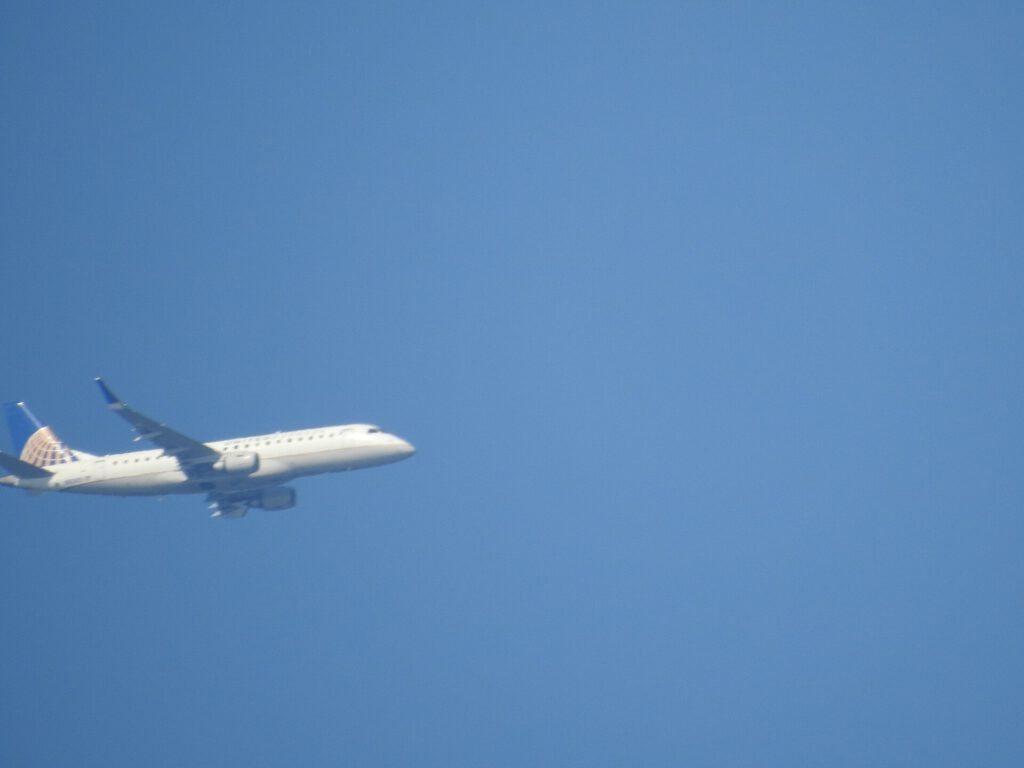
United currently has Starlink installed on approximately 44% of its fleet. The carrier aims to complete installations across its entire network by the end of 2027. To drive adoption, United has launched a status-match campaign and a public tracker for new installations. Kirby stated that connectivity ranks second only to flight schedules in how customers choose an airline, though he admitted that evidence of changed consumer behavior remains mostly anecdotal.
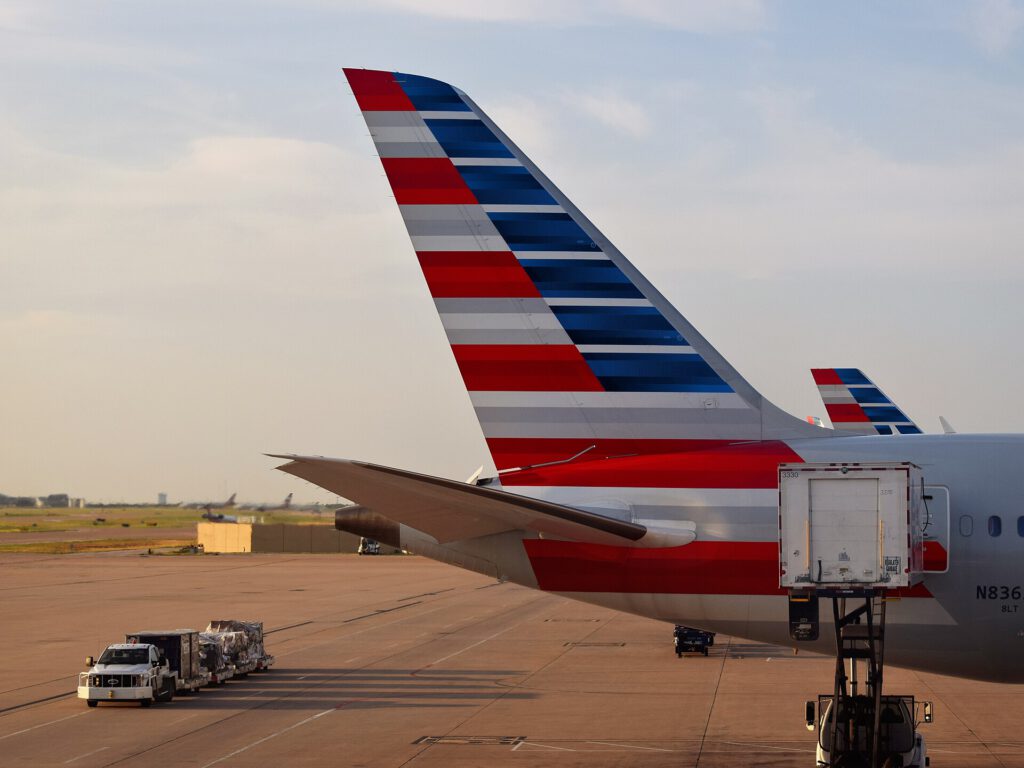
American Airlines has also expanded its commitment significantly. The carrier increased its order from 500 aircraft to cover its entire mainline fleet. Southwest Airlines expects to be the first U.S. carrier to fully equip its fleet with Starlink by the fall of 2027. These aggressive timelines suggest that carriers view reliable internet as essential for retaining high-value travelers.
High Costs and the Delta Exception
The financial commitment required for this upgrade is substantial. A report from Jefferies estimated installation costs at roughly $500,000 per Boeing 737-800, plus monthly fees of $15,000. Despite these expenses, airlines argue that the ability to charge premium fares for reliable connectivity will offset the initial outlay.
Delta Air Lines stands out as the only major U.S. carrier not to choose Starlink. Instead, Delta selected Amazon Leo, a competitor that has not yet been tested on commercial flights. CEO Ed Bastian cited pricing structures and integration with Amazon Prime as key factors in the decision. This divergence highlights the strategic split among carriers regarding satellite internet providers.
The dominance of Starlink has drawn scrutiny from various governments. The Wall Street Journal reported that Elon Musk individually ordered a slowdown of Starlink service in Ukraine. Leaders in Canada, India, and Taiwan have raised concerns about reliance on the provider. SpaceX did not address the Ukraine report on its earnings call. United, American, and Southwest also did not mention the controversy during their respective calls.
Source: Skift
