


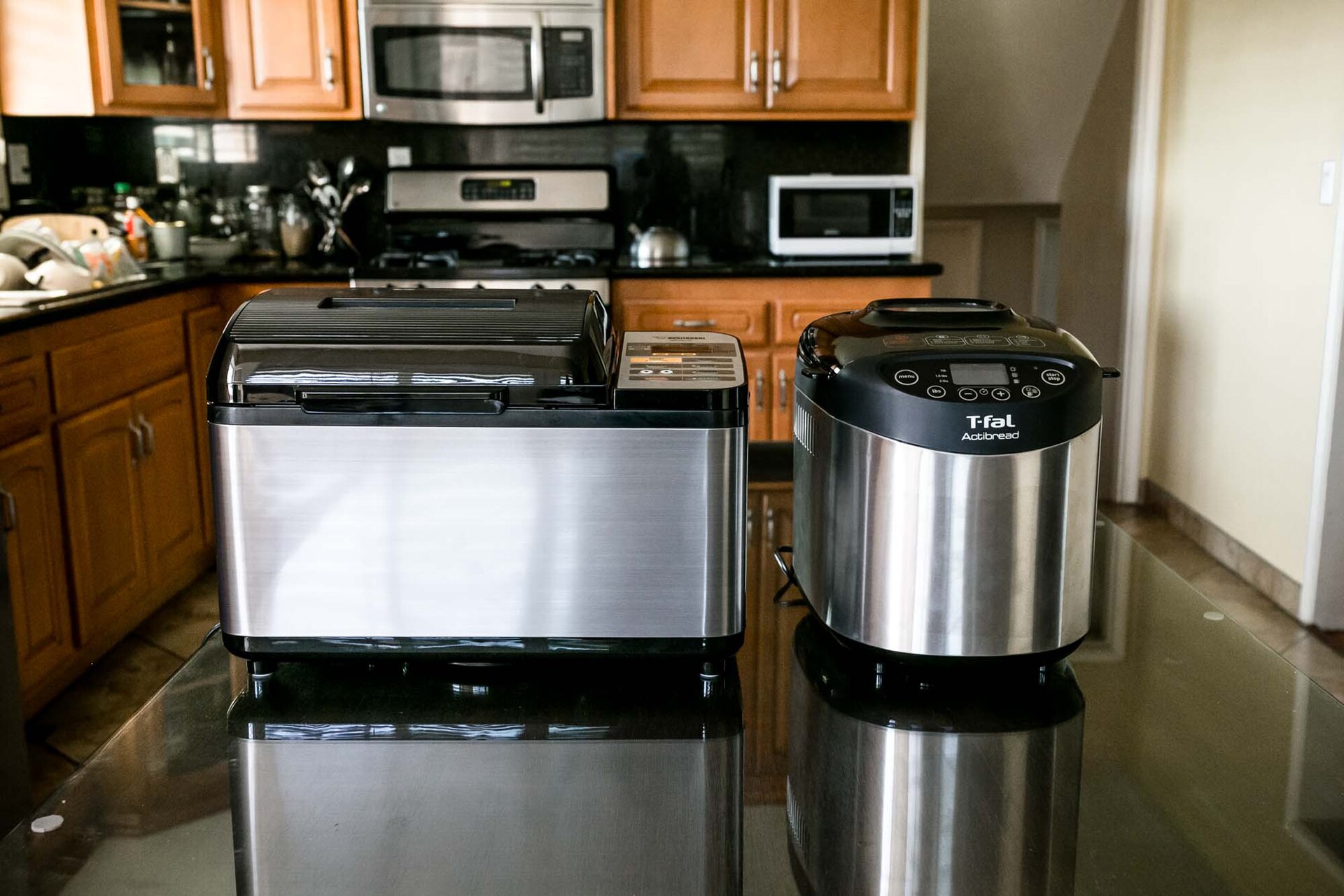
Testing kitchen appliances often involves a significant amount of trial and error, but one Guardian journalist pushed the limits of both her oven space and her freezer capacity. The goal was to determine which of the nine best bread makers on the market could deliver the most consistent, high-quality results. The process required baking 36 loaves, a number that likely climbed closer to 45 when accounting for collapsed attempts and experimental batches.
Modern Bread Makers Are Smaller and More Versatile
The landscape of home baking appliances has shifted significantly since the category first gained popularity in the 1990s. Modern units are now roughly half the size of a standard air fryer, a substantial reduction in footprint that makes them more viable for contemporary kitchens. This compact design was a welcome relief for testers who had previously dealt with the bulkier models of the past.
Size is not the only improvement. These machines now offer a vast array of settings that go far beyond simple white or whole wheat cycles. Some models can even mix and knead pasta dough, expanding their utility for home cooks. The Graef bread maker, for example, offered unique programs such as yoghurt-honey bread, carrot grain loaf, and a setting specifically for bread on a stick. While the resulting loaves were praised for their taste, the tester noted that navigating every single setting on one machine was a task for another day.
Panasonic Mini Bread Maker Takes the Top Spot
After rigorous testing across multiple kitchens, the Panasonic mini bread maker secured the top award. Its primary advantage lies in its ability to produce consistently tasty loaves despite its small stature. The machine handled a variety of recipes well, including a mini gluten-free loaf that achieved a desirable texture often difficult to replicate in compact appliances.
Portability was another unexpected benefit of this model. The tester discovered that the machine is light enough to carry to a friend’s house for cross-kitchen testing, thanks to its built-in handle. Additionally, the unit doubles as a compact ice-cream maker, adding to its value for households that already own separate appliances for frozen desserts.
Managing the Bread Surplus
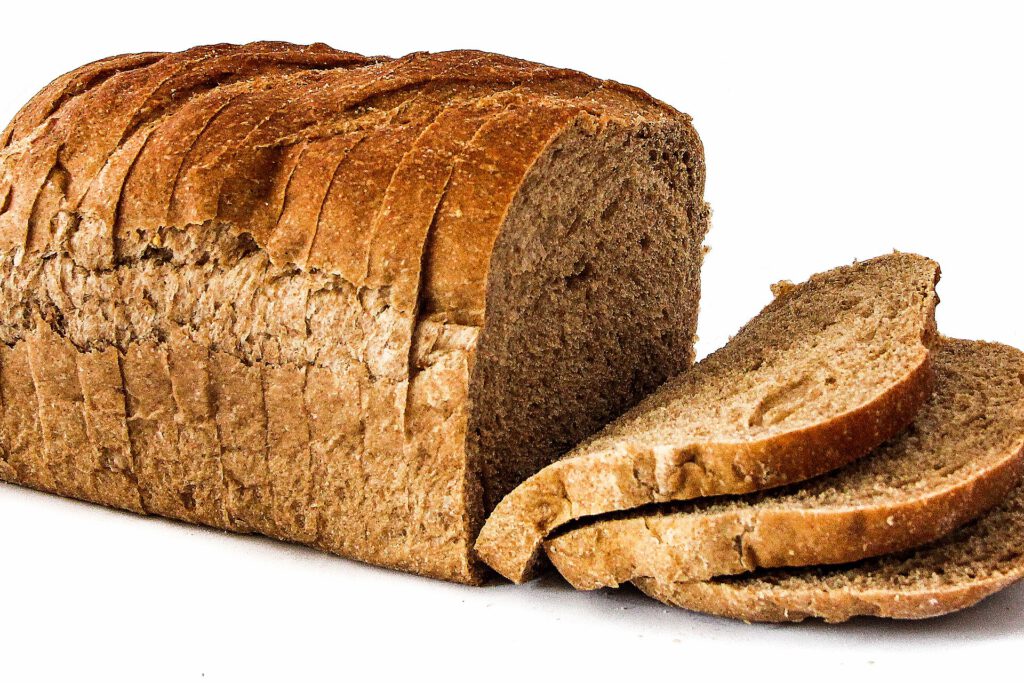
The sheer volume of bread produced during the testing phase raised the question of what to do with the excess. Food waste was a primary concern for the tester, who ensured that every loaf served a purpose. Many of the test batches were frozen for later use as toast or homemade breadcrumbs, ensuring they would not go to waste.
The remaining loaves were distributed to friends and neighbors. While the generosity was appreciated, the tester joked that the recipients may not have always wanted the sudden influx of fresh bread. This approach highlights a practical reality for home bakers: even with the best bread makers, managing the output is part of the process.
The test results suggest that consumers no longer need to sacrifice counter space for quality. The Panasonic mini bread maker proves that compact appliances can still deliver professional-grade results, making homemade bread more accessible than ever for those with limited kitchen space.
Source: The Guardian
