


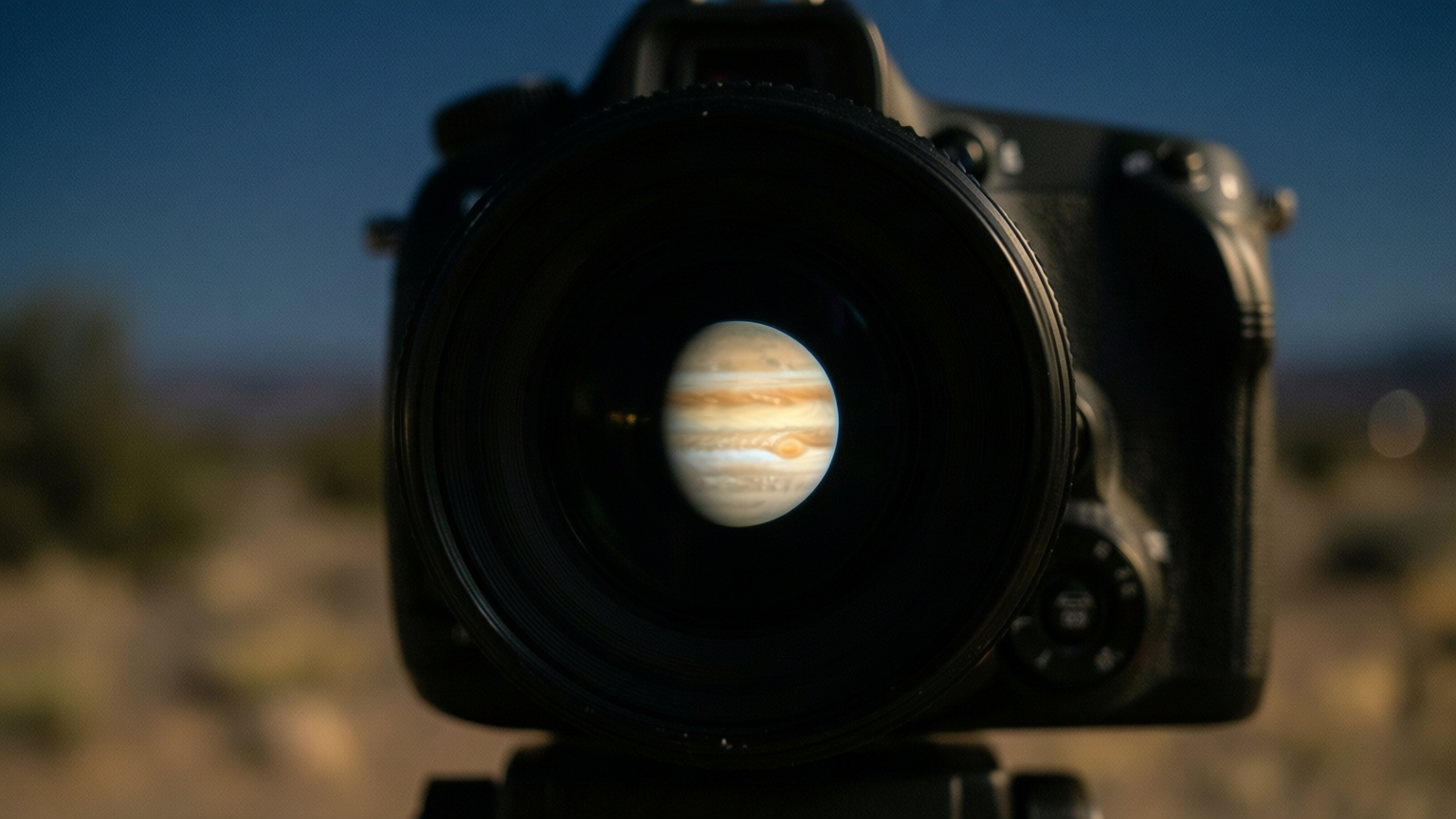
A rare celestial alignment has produced a striking visual phenomenon in our solar system. The image captures Venus positioned almost directly between the Sun and Earth. This specific configuration occurs approximately once every year and a half. It mirrors the monthly alignment that creates a new Moon, but with a distinct atmospheric difference.
The Science of the Glowing Arc
Unlike the dark silhouette of a new Moon, Venus presents a luminous crescent. This effect results from sunlight refracting and scattering through the planet’s dense atmosphere. The resulting glow forms a crescent arc that extends beyond 180 degrees. The distinct tips of this arc are referred to as the “horns”. This phenomenon is a direct consequence of the planet’s thick cloud cover interacting with solar radiation.
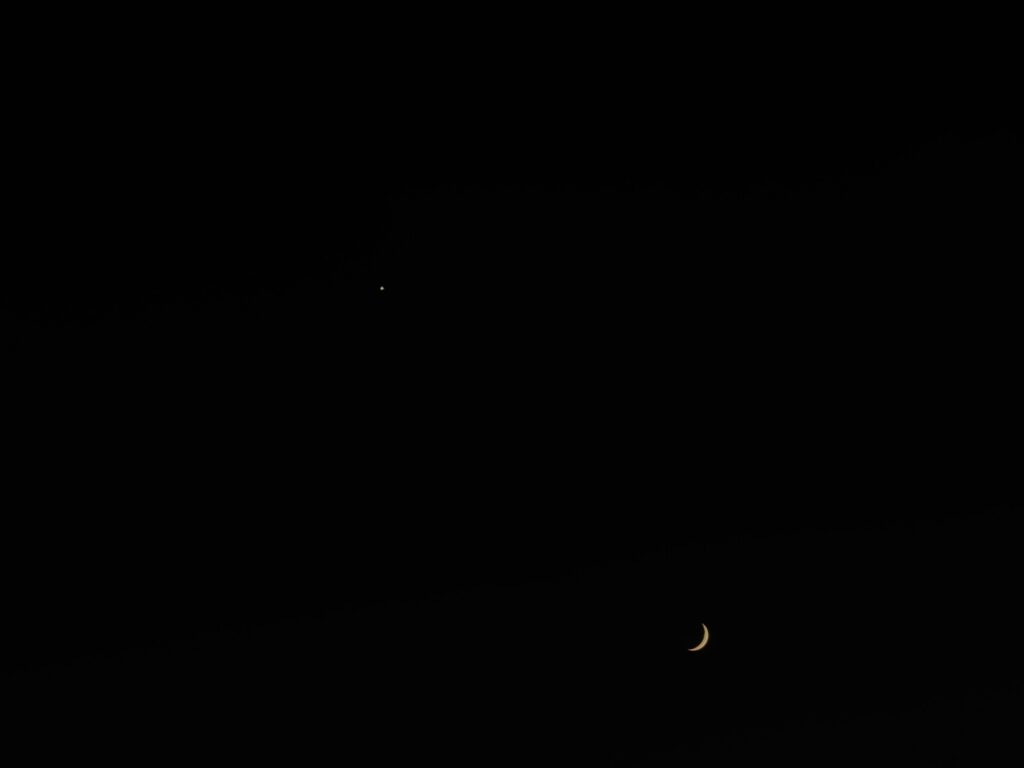
Observing this event requires specific conditions. The crescent is visible with a small telescope or binoculars during twilight. Individuals with exceptionally acute eyesight might detect the glow with the unaided eye. The visibility is limited to brief windows around dawn or dusk when the planet is low on the horizon.
Historical Observations of Venus
The brightness changes of Venus, linked to its phases, have fascinated observers for millennia. Ancient Babylonian astronomers are believed to have been the first to systematically study these variations. Their records provide some of the earliest evidence of planetary motion tracking. Other cultures also documented these celestial events. The oldest surviving Maya book contains similar astronomical records, highlighting the global interest in Venus.
Understanding these phases helps astronomers map the orbital mechanics of our solar system. The alignment provides a unique opportunity to study atmospheric refraction. It also serves as a reminder of the complex interactions between planetary bodies and sunlight.
The next featured image will explore a different astronomical subject, continuing the daily exploration of the cosmos.
Source: NASA
