


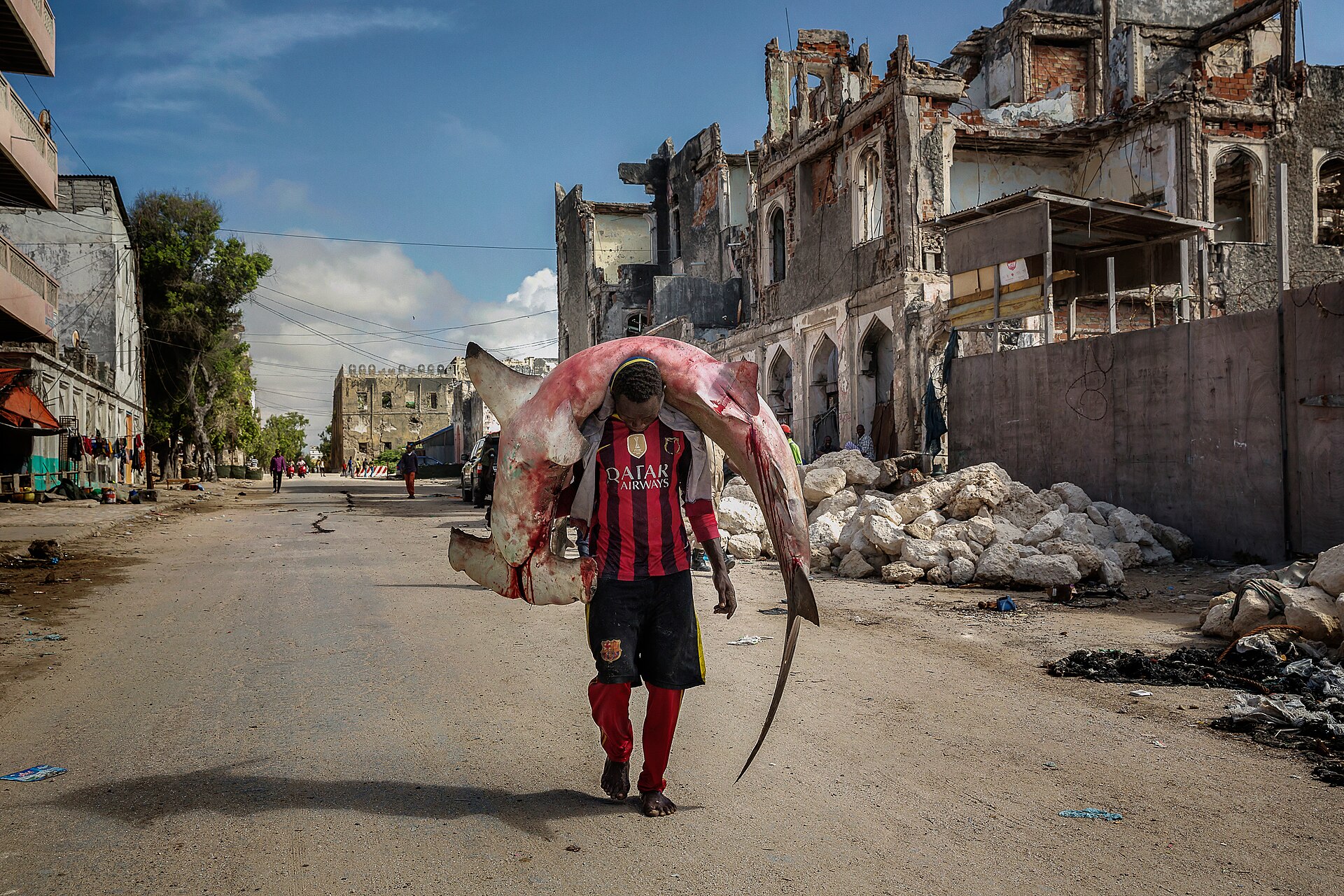
The United Nations has officially closed its political mission in Somalia, ending more than three decades of international efforts to help the country rebuild after its civil war. The United Nations Transitional Assistance Mission in Somalia (UNTMIS) ceased operations on Saturday, completing a two-year transition process that was formally requested by the Somali government.
In a statement posted on X, the mission confirmed that its responsibilities have been gradually transferred to Somali institutions, other UN agencies, and the UN office supporting African Union (AU) troops. This handover followed a roadmap agreed upon between Mogadishu and the UN, aiming to restore full sovereignty to local authorities.
End of an Era for Political Mediation
The closure marks a significant shift in the relationship between the UN and Somalia. For years, the mission played a central role in mediating between rival political leaders and helping to organize elections. However, relations had become increasingly strained, with the UN mission facing accusations of interfering in domestic politics.
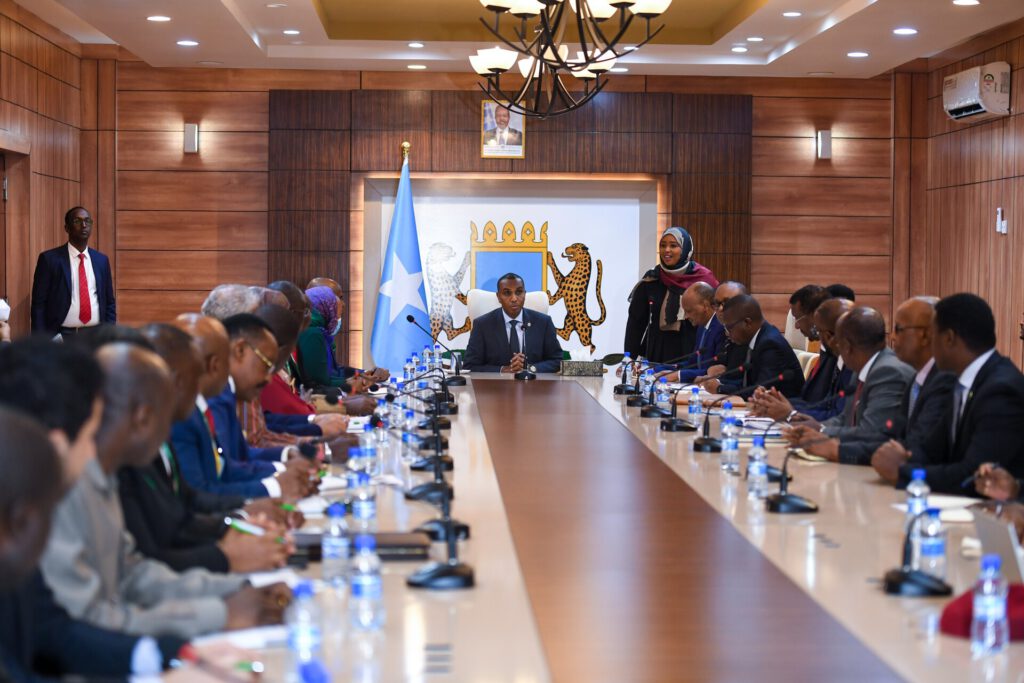
President Hassan Sheikh Mohamud’s government formally requested the withdrawal of the mission in 2024. At a farewell ceremony in Mogadishu on Monday, Deputy Prime Minister Saleh Ahmed Jama celebrated the departure as a “day of victory.” He stated that Somalia was now leaving behind the “era of transition” and moving toward full self-reliance.
UN Secretary-General Antonio Guterres welcomed the progress made by Somalia but emphasized the need for continued international backing. He noted that the country still faces significant political, security, and humanitarian challenges that require sustained global support.
Ongoing Security and Political Challenges
The departure of the UN political mission comes at a time when international support for Somalia is shrinking. The country continues to grapple with deep political divisions and persistent violence. Opposition leaders have rejected the government’s position that constitutional changes allow President Mohamud and parliament to remain in office until 2027.
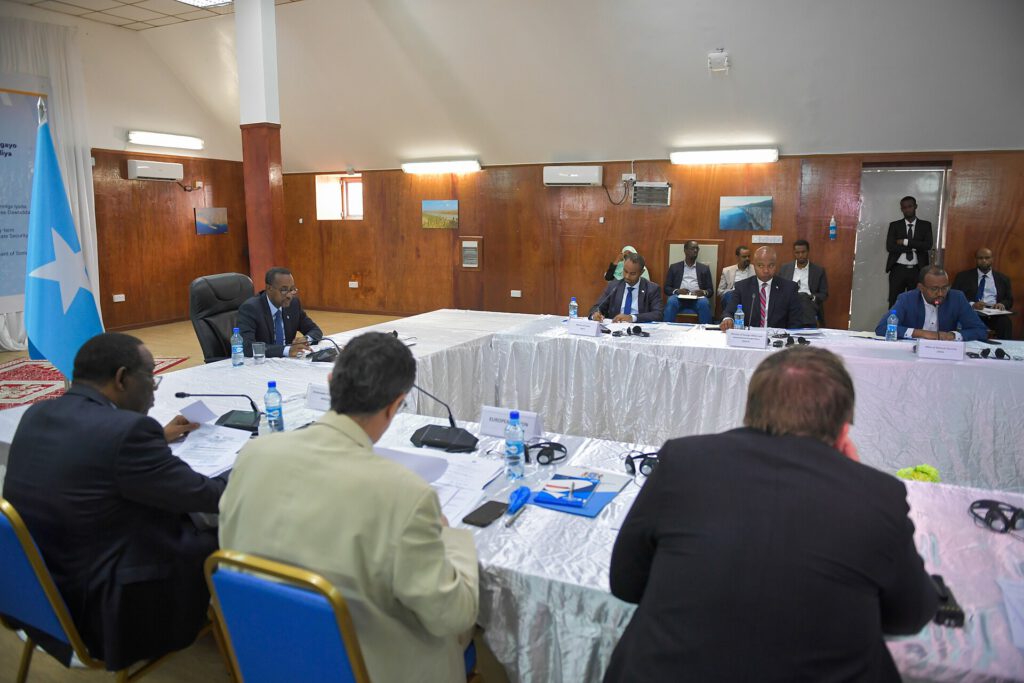
Relations with some regional leaders are also strained. Meanwhile, al-Shabab, an armed group linked to al-Qaeda, continues to fight government forces. The UN mission previously helped rival leaders reach election agreements, but no replacement for its mediation role has been agreed upon.
President Mohamud has invited political opponents to talks, although major opposition groups have yet to confirm their attendance. The lack of a clear successor to the UN’s political role raises concerns about how future disputes will be resolved.
Humanitarian and Security Support Continues
While the political mission has ended, UN humanitarian and development agencies remain active in Somalia. However, their operations have been severely impacted by cuts to international aid. In August, the UN children’s agency reported that 205 health and nutrition facilities had closed due to these funding reductions.
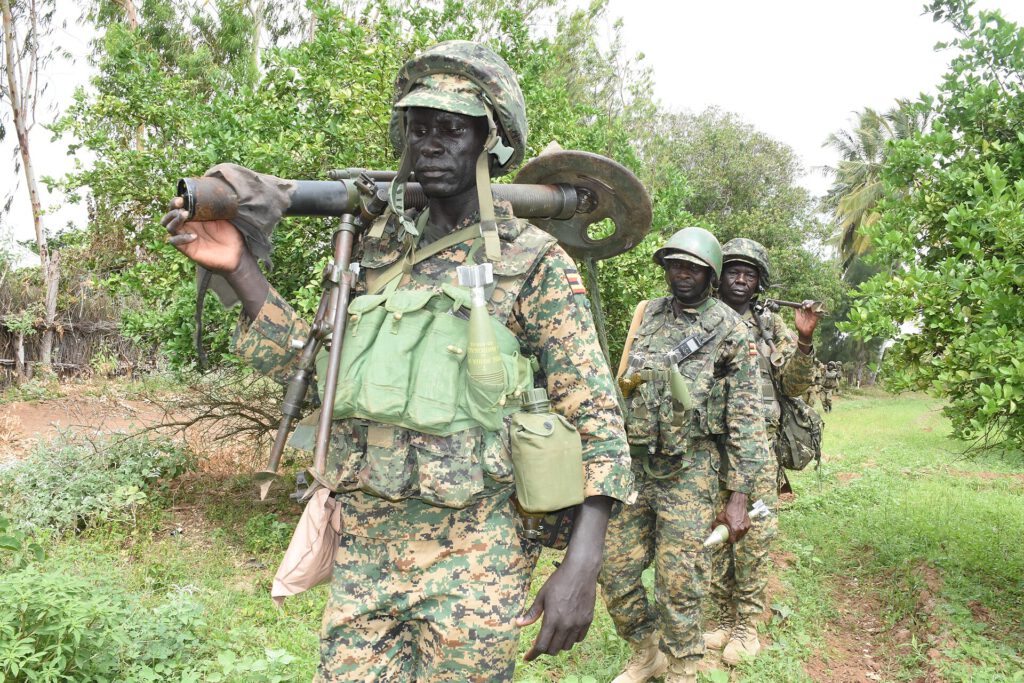
AU troops also remain in the country to support Somali forces against al-Shabab. Their operations depend heavily on a separate UN office, UNSOS, which provides food, fuel, medical care, and transport. However, Reuters reported in September that this vital support could end by December 2027 under a US-backed plan to close the UN office providing it.
The closure of the UNTMIS represents the end of a long chapter in Somalia’s history. The country now faces the complex task of managing its internal conflicts and security threats without the direct political mediation of the United Nations.
Source: Al Jazeera
