


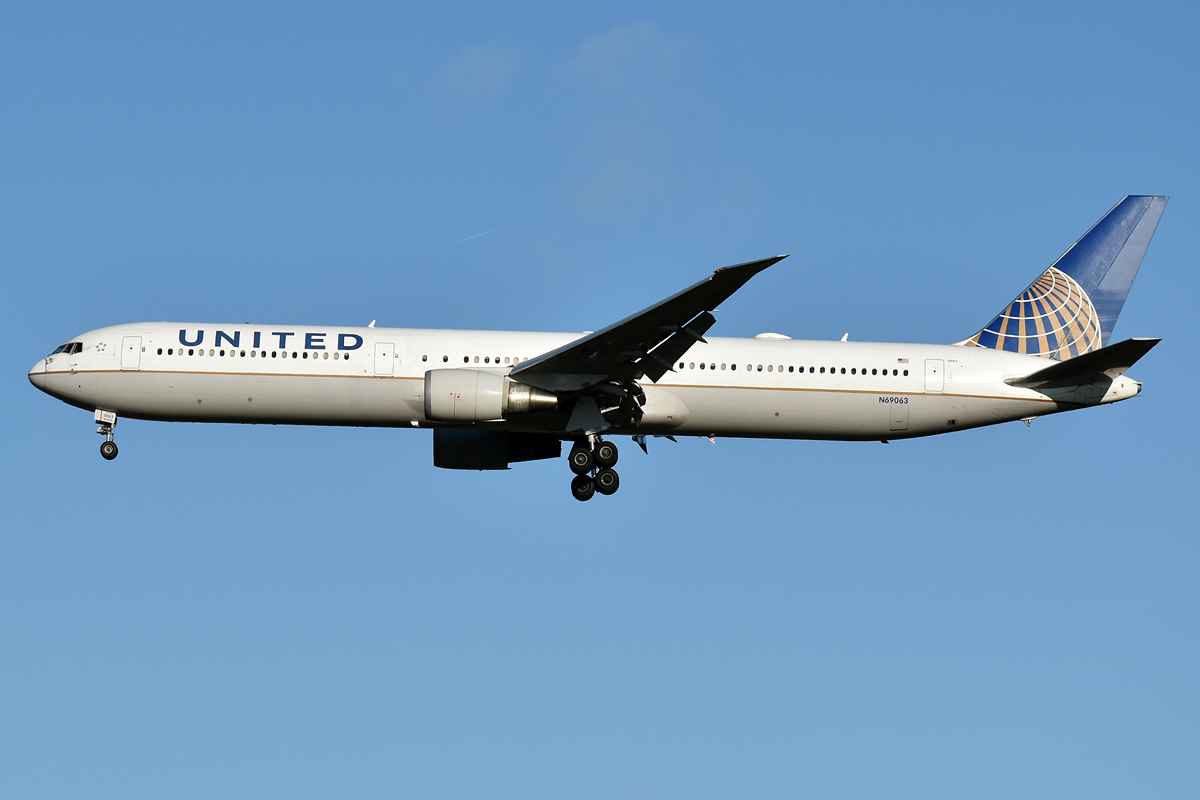
A United Airlines flight traveling from the Cayman Islands to Texas encountered a critical situation involving both mechanical failure and fuel constraints. The Boeing 737 MAX 9 aircraft was forced to declare a double emergency after its landing gear failed to deploy properly.
Critical Fuel Levels During Emergency
The malfunction with the landing gear required the pilots to take immediate action to ensure the safety of the aircraft and its passengers. A standard procedure in such scenarios involves burning off excess fuel to reduce the weight of the plane, which is necessary for a safe landing when the gear is not fully extended.
According to reports, this fuel-burning process left the pilots with a very narrow window of time. The crew reported having only 10 to 12 minutes of fuel remaining as they managed the emergency. This tight margin highlights the precision required in handling such complex aviation crises.
Flight Path and Aircraft Details
The flight in question was operating a route between the Cayman Islands and Texas. The specific aircraft involved was a Boeing 737 MAX 9, a model known for its efficiency and modern design. The incident underscores the rigorous safety protocols that airlines must follow when technical issues arise mid-flight.
The declaration of a double emergency indicates that two separate critical conditions were present simultaneously. In this case, the conditions were the landing gear malfunction and the critically low fuel state resulting from the necessary fuel burn. Such situations require coordinated efforts between the flight crew and air traffic control to ensure a safe outcome.
The incident serves as a reminder of the unpredictable nature of air travel and the extensive training pilots undergo to handle rare but serious mechanical failures. The successful management of this emergency, despite the limited fuel, reflects the high standards of safety maintained by United Airlines and its flight crew.
Source: Simple Flying
