


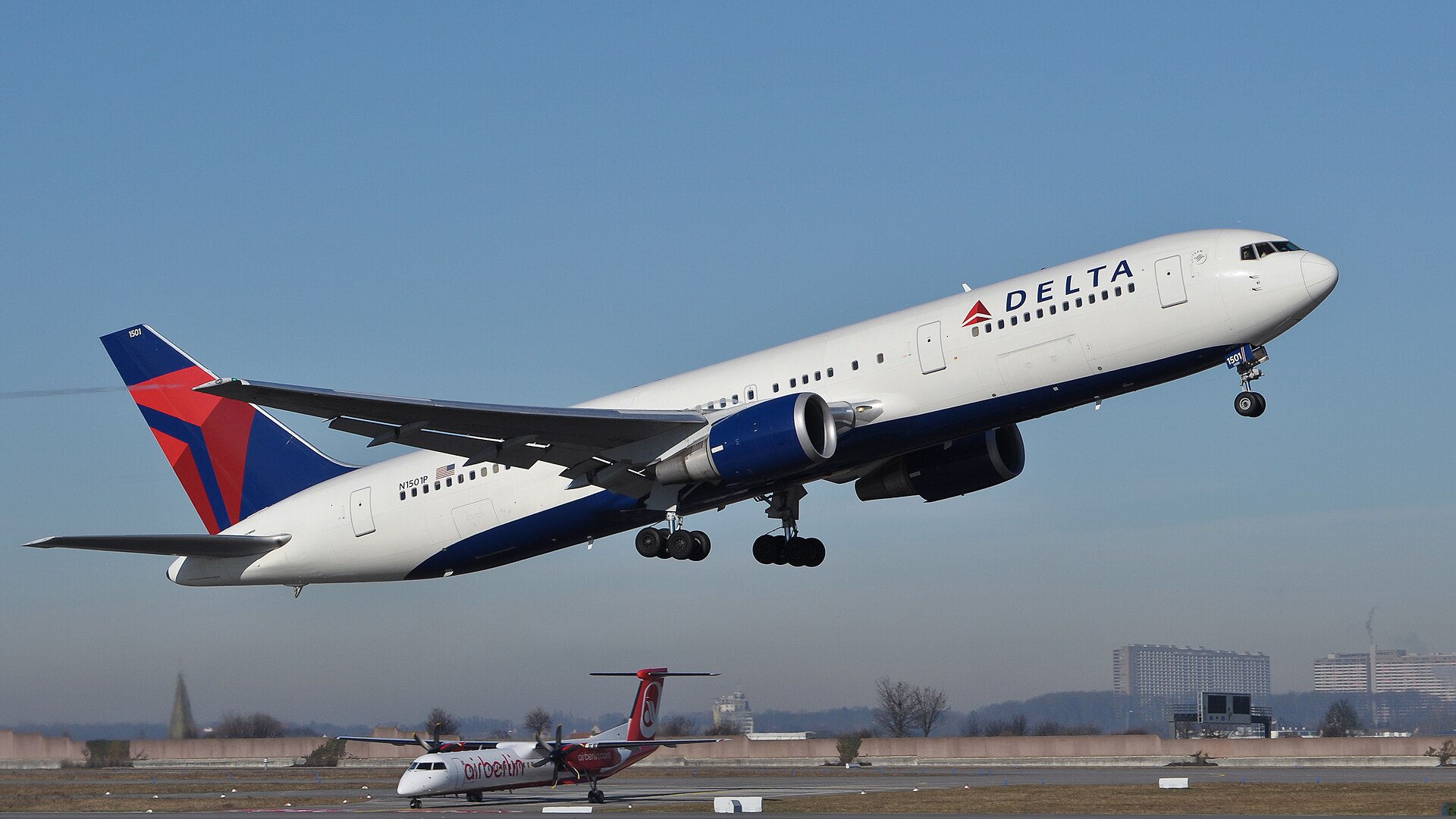
Delta Air Lines CEO Ed Bastian has publicly condemned Heathrow Airport’s recent decision to relocate the US carrier to Terminal 4 by 2028. Bastian described the move as short-sighted and harmful to airline consumers, marking the beginning of a significant dispute between the airline and the London hub.
The controversy stems from a once-in-a-decade terminal allocation review conducted by Heathrow Airport Limited. The review ordered five airlines to change terminals, including Delta. For over ten years, Delta and its joint venture partner, Virgin Atlantic, have operated out of Terminal 3. This co-location has allowed the two carriers to share premium amenities, ground staff, and check-in facilities, creating a unified front against other legacy carriers on transatlantic routes.
Heathrow Terminal 4 Relocation Plan
Under the new allocation rules, Delta will be required to move its operations to Terminal 4. This separation would dismantle the integrated customer experience that has been built over the last decade. Bastian stated in a lengthy release that the decision undermines years of investment and disregards the benefits offered by the co-located terminal.
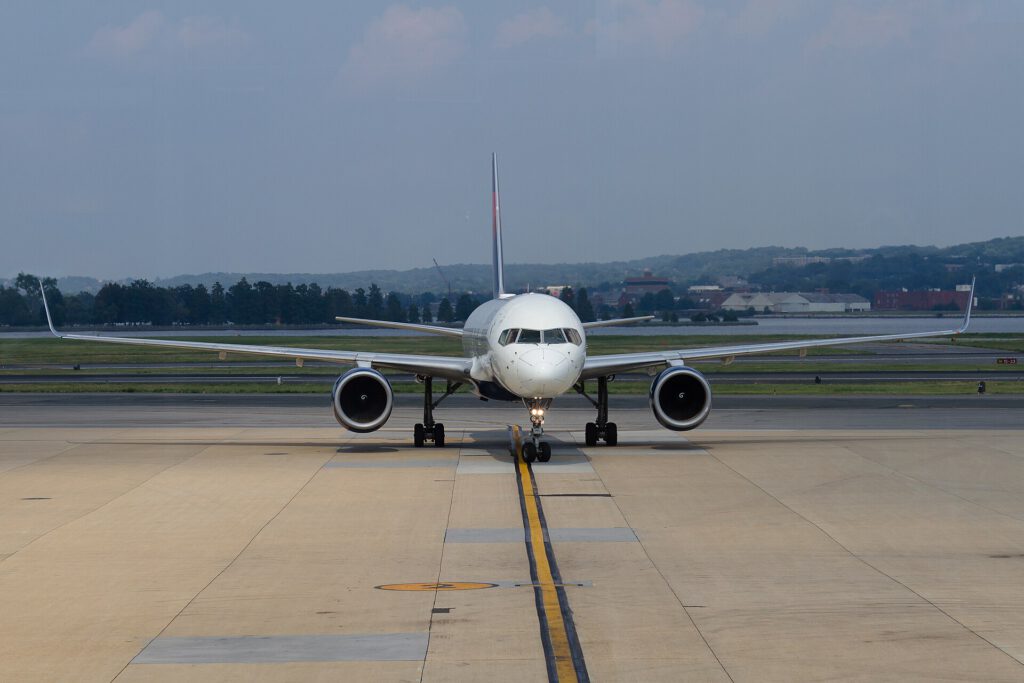
The physical separation of the two airlines would force connecting passengers to travel across the airfield by bus. This logistical change is expected to increase transfer times and reduce the convenience that currently defines the Delta and Virgin Atlantic partnership. The two airlines currently share the Virgin Atlantic Clubhouse and the Virgin Revivals Lounge, which serve business class travelers and top-tier frequent flyers.
Virgin Atlantic and SkyTeam Response
Virgin Atlantic, in which Delta holds a 49% stake, has joined Delta in opposing the decision. The British carrier is currently considering its legal options to challenge the allocation. SkyTeam, the global airline alliance that includes both carriers, has also argued that the split places its members at a competitive disadvantage compared to airlines that remain grouped in single terminals.
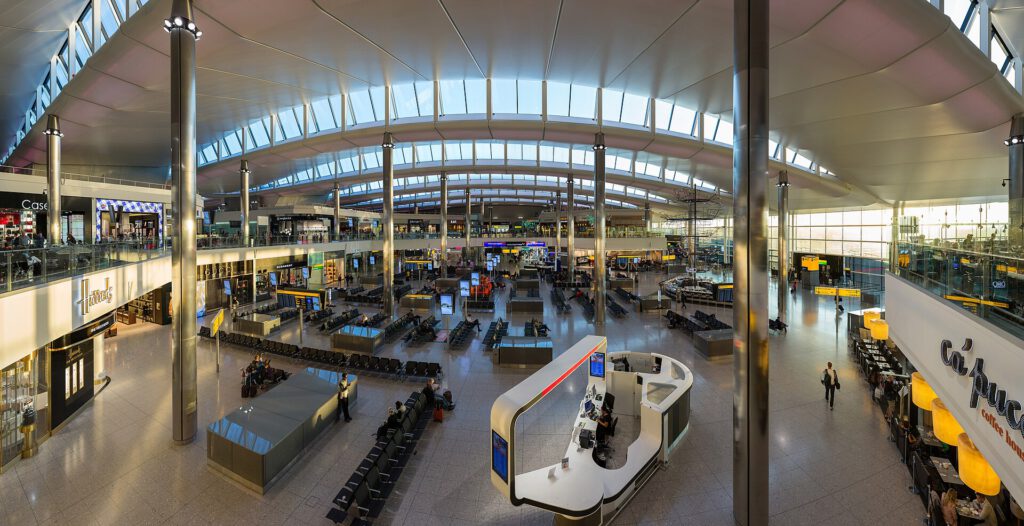
Bastian emphasized that the separation would weaken the competitive alternative that Delta and Virgin Atlantic provide to other legacy carriers operating transatlantic flights. The airlines are urging Heathrow Airport Limited to reconsider the allocation to preserve the value of their joint venture.
Heathrow Airport Limited defended the review process, stating that the terminal changes are necessary to free up available capacity. The airport, one of the most slot-controlled in the world, aims to ease congestion through this restructuring. However, the decision has sparked competition concerns among industry observers and other airlines.
Delta currently ties with United Airlines for the second-most destinations served at Heathrow, with both carriers operating year-round services to seven US gateways. American Airlines leads with nine year-round destinations. Virgin Atlantic maintains a strong presence with year-round service to ten US destinations, plus seasonal routes to cities like Seattle and Cape Town.

The airline has vowed to pursue all available remedies to reverse the decision. The outcome of this dispute will likely shape the operational landscape at Europe’s busiest international airport for years to come.
Source: Simple Flying
