


For decades, a woman in her sixties viewed her body as an unreliable adversary. Diagnosed with scoliosis, severe lordosis, and spondylolisthesis at age 10, she grew up feeling weak and awkward. The diagnosis came with a terrifying prognosis from a New York orthopaedic surgeon who warned that a simple fall could sever her spinal cord and leave her paralysed. He recommended a major operation to fuse seven vertebrae in her lower back using bone from her thigh.
Although a second opinion advised against the surgery, the fear remained. She became timid about physical activity, viewing the world as an obstacle course designed to injure her. By her late 30s, the stress of senior executive roles and the constant low-level terror of her spine left her exhausted. She feared her physical limitations would sabotage her career.
The 20-mile bike ride that changed everything
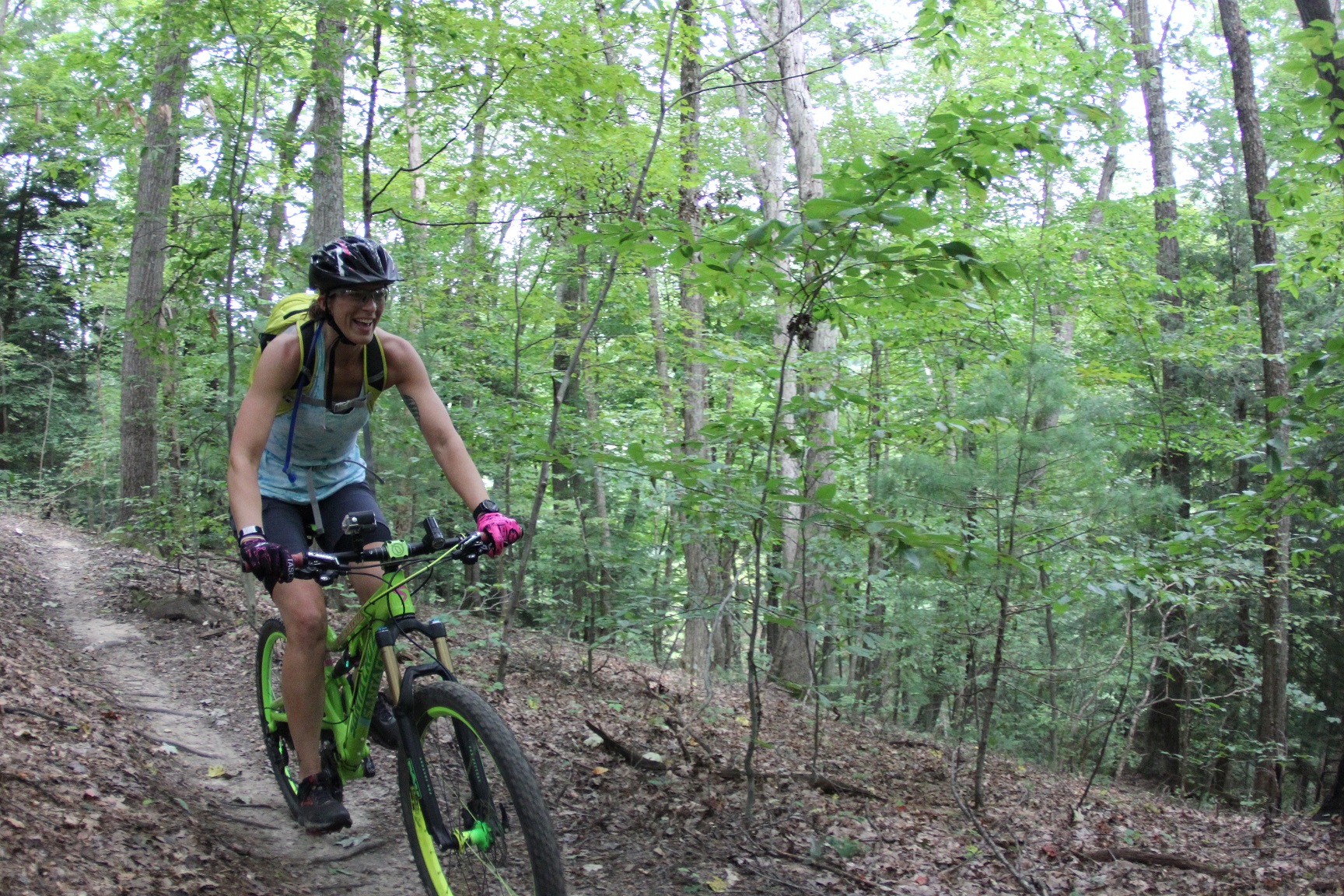
The turning point arrived after she relocated to Colorado. A colleague invited her for a casual bike ride, expecting a short 30-minute trip for coffee. Instead, they cycled 20 miles into the countryside. She was astounded by her own endurance, having never exercised regularly before. The next ride was 50 miles. Soon, she was tackling 100-mile rides through the Rocky Mountains, climbing to altitudes exceeding 11,000 feet.
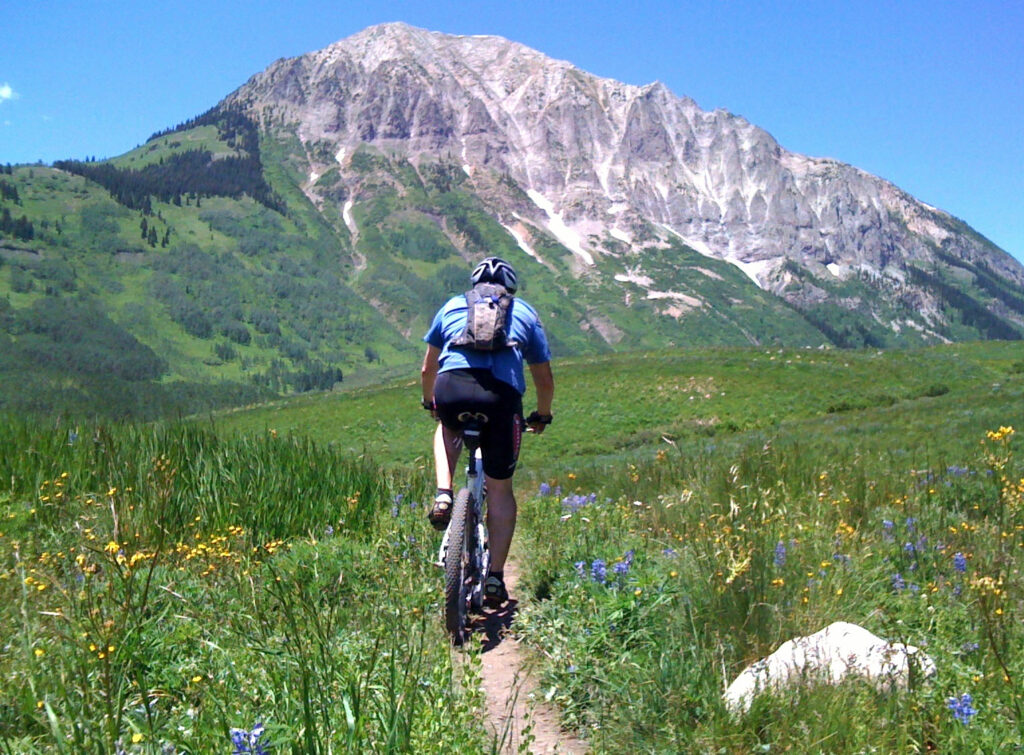
Each ride challenged the self-limiting beliefs she had carried since childhood. She began to gain energy and found she could present one-hour keynotes without collapsing from exhaustion. The physical activity did more than build strength; it dismantled the narrative that her body was broken.
Medical reassessment and renewed confidence
When she turned 40, she requested a safety assessment from a doctor. The physician compared her current X-rays with those taken when she was 16 and found no significant movement or degeneration in her vertebrae. He confirmed she could pursue fitness with very few limitations. This medical validation felt revolutionary. She started working with a trainer and stopped viewing her body solely through the lens of its defects.
Years later, at age 58, she was trekking the 80-mile Tour du Mont Blanc in the Alps. On a steep section, she froze on her hands and knees, crying as other hikers passed her. In that moment, she realized the paralysis she felt was not physical, but psychological. She took a deep breath and crawled over the summit, proving to herself that her latent fear was the only thing holding her back.
Now 60, she runs, jumps, and lifts heavy weights. The transformation has redefined her limiting beliefs in every part of her life. She no longer feels ashamed of her body, which has become her ally rather than an enemy. The experience of a simple 20-mile bike ride ultimately healed a lifelong fear of her own body.
Source: The Guardian
