


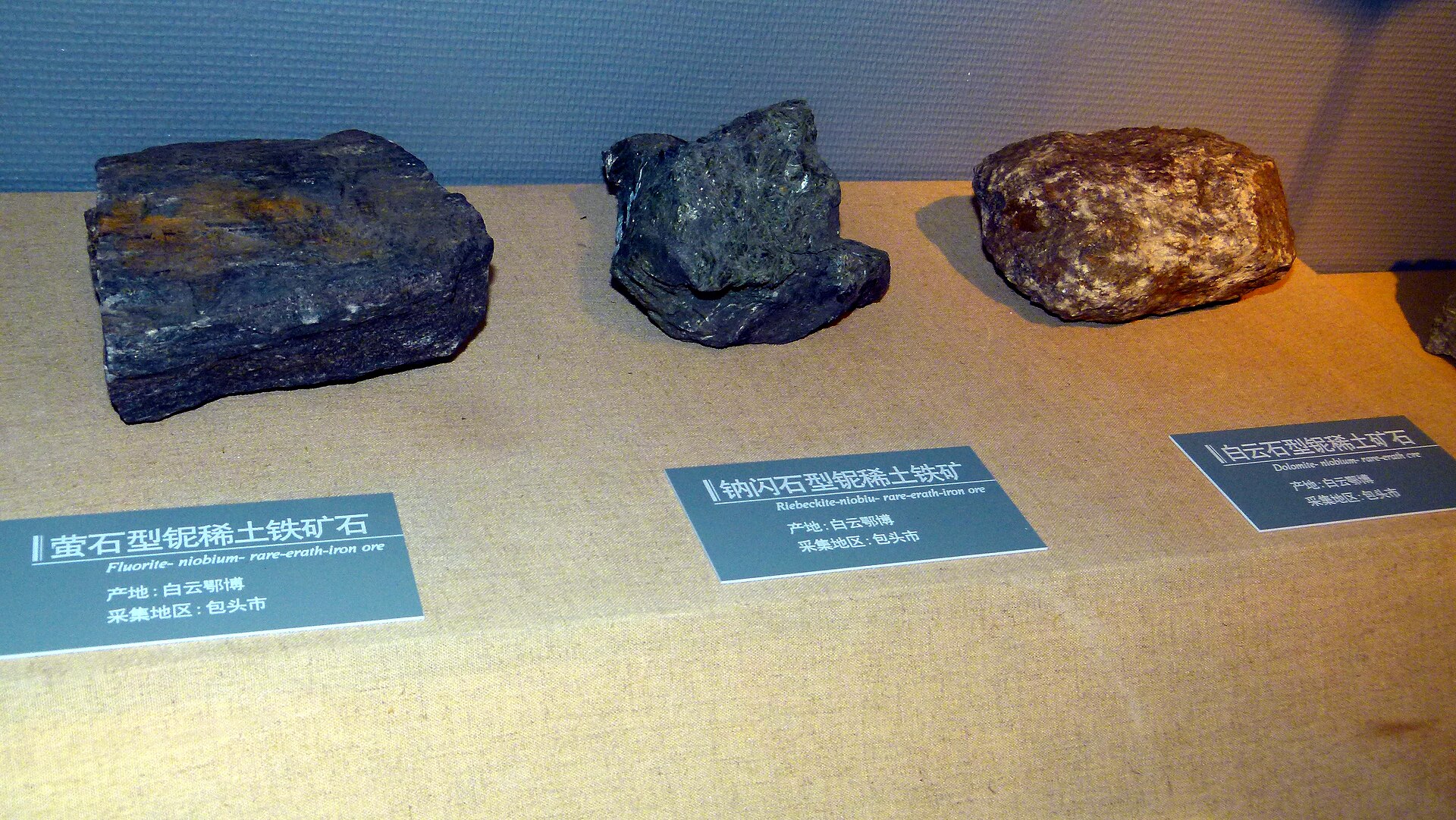
A parliamentary investigation has concluded that the United Kingdom is dangerously dependent on China for the critical raw materials required to maintain its military capabilities, build artificial intelligence infrastructure, and achieve net zero emissions targets. The report, released by the business select committee, urges the government to implement a centralised policy and establish a dedicated finance facility to diversify supply chains.
Liam Byrne, the committee chair, described critical minerals as the “alpha of the new economy.” He stated that Britain cannot rearm itself, develop AI, or deliver on its climate commitments without securing the specific minerals these technologies rely upon. Despite China first leveraging its dominance over rare earth supplies sixteen years ago, the UK remains exposed to strategic vulnerabilities.
Supply Chain Bottlenecks and Demand Surge
China currently controls the majority of the global supply for rare earths and their refined byproducts. These materials are essential for manufacturing everything from military jets and car-locking systems to household appliances like refrigerators. The committee identified the processing stage as the primary bottleneck, with China dominating the refining of seven categories of minerals. This includes refined lithium for electric vehicles and rare earths used in aircraft fuselages to withstand extreme temperatures.
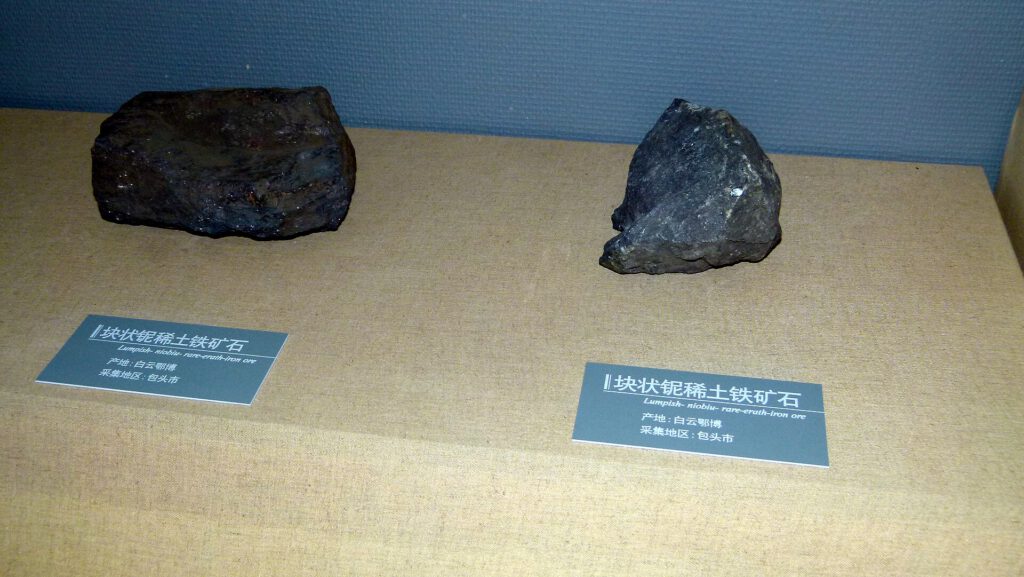
The urgency of the situation is driven by projected demand increases. The committee heard that demand for lithium alone is expected to rise forty-five-fold between now and 2030. Similarly, the demand for rare earths used in permanent magnets for military jets is projected to increase sixteen-fold during the same period. This surge coincides with Britain’s efforts to rebuild its military capabilities, creating a high-risk dependency relationship with Beijing.
The report highlights that China has the capacity to suddenly restrict rare earth supplies, a move it executed in 2025. Such a disruption would pose a significant threat to the UK economy and national security. The committee noted that the European car industry faced similar risks last October due to separate restrictions on legacy chips following a dispute involving the China-owned company Nexperia.
Policy Gaps and Strategic Vulnerabilities
While the European Union, the United States, and other nations face the same risks, the committee argued that the UK is not making sufficient efforts to find alternative suppliers. Global export restrictions on rare earths were temporarily eased following a one-year reprieve secured by Donald Trump from Xi Jinping in October of last year. This reprieve was subsequently extended to January 2027 after the Chinese president’s recent visit to Washington. However, the report suggests this arrangement leaves the UK at the mercy of US-China diplomatic relations.
The committee expressed frustration over a lack of transparency from the government regarding its critical minerals strategy. MPs stated they had no visibility into the capabilities the government is seeking to protect, the specific vulnerabilities identified, or the projects being funded to reduce risk. Consequently, the committee concluded that it could not be confident the government could satisfy any of its ten proposed tests for supply chain resilience.
In response, a government spokesperson denied the absence of a strategy, citing a £400 million investment to ramp up domestic production and recycling. The spokesperson outlined goals for 2035, including meeting 10 percent of demand through domestic production and 20 percent through recycling, with no more than 60 percent of any critical mineral sourced from a single country.
The committee has proposed a ten-point plan to address these issues. The plan includes identifying domestic mining, refining, and recycling opportunities, encouraging businesses to reduce procurement from China, and assessing planning processes that may hinder mining projects. The most realistic solution identified is for the UK to collaborate with G7 partners, European nations, and Indo-Pacific countries to aggregate demand and attract new suppliers.
Source: The Guardian
