


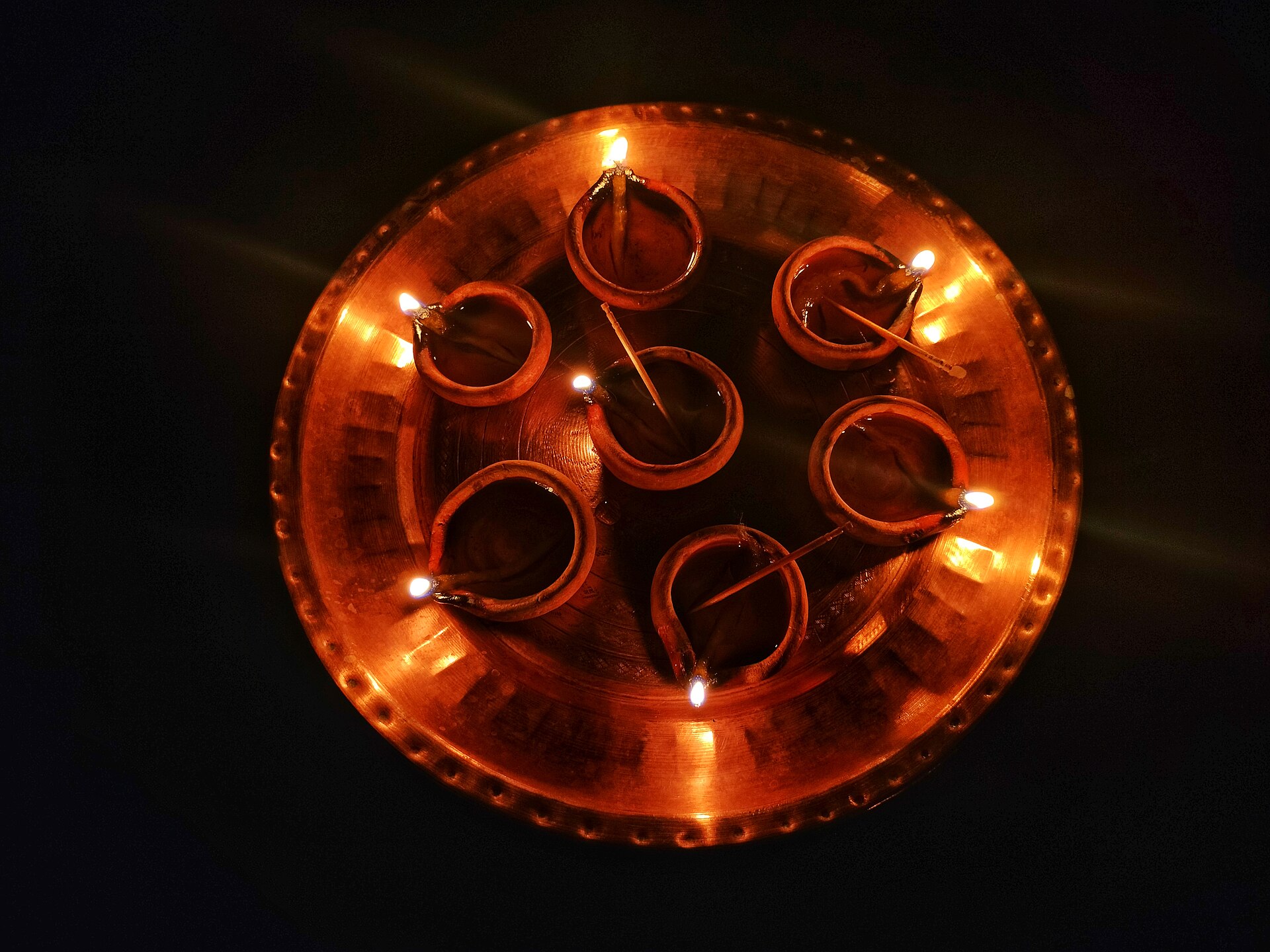
Millions across India are observing Diwali, the Hindu festival of lights, illuminating homes, temples, offices, and streets with oil lamps and colorful lights. The festival symbolizes the triumph of light over darkness and is widely marked by prayers, family gatherings, the exchange of sweets, and the lighting of firecrackers.
The celebration falls on the darkest night of the Hindu lunar month of Kartik, when the moon is not visible in the sky. Although traditions vary across regions and communities, the core themes remain consistent. The festival celebrates the return of Lord Ram to Ayodhya after his victory over Ravan, representing the triumph of good over evil, light over darkness, and knowledge over ignorance.
Delhi Air Quality Hits Decade Low
Despite the festive atmosphere, celebrations are occurring amid growing concerns over air pollution, particularly in northern India. Seasonal weather conditions and the burning of crop residue contribute to deteriorating air quality, while firecrackers set off during Diwali can worsen the situation.
Air pollution in the Indian capital, Delhi, has reached hazardous levels, making it the most polluted Diwali in a decade. New measures to improve air quality do not seem to have been successful. Mumbai, India’s financial capital, has also experienced high pollution levels in recent weeks.
In an effort to limit pollution, India’s Supreme Court permitted the manufacture, sale, and use of certified “green” firecrackers in Delhi and surrounding areas for a limited period. These firecrackers are designed to produce 20-30% fewer emissions than conventional fireworks. Critics have questioned how effective they are at reducing pollution and raised concerns that conventional firecrackers could still make their way into the capital from neighboring states.
Festive Traditions and Muhurat Trading
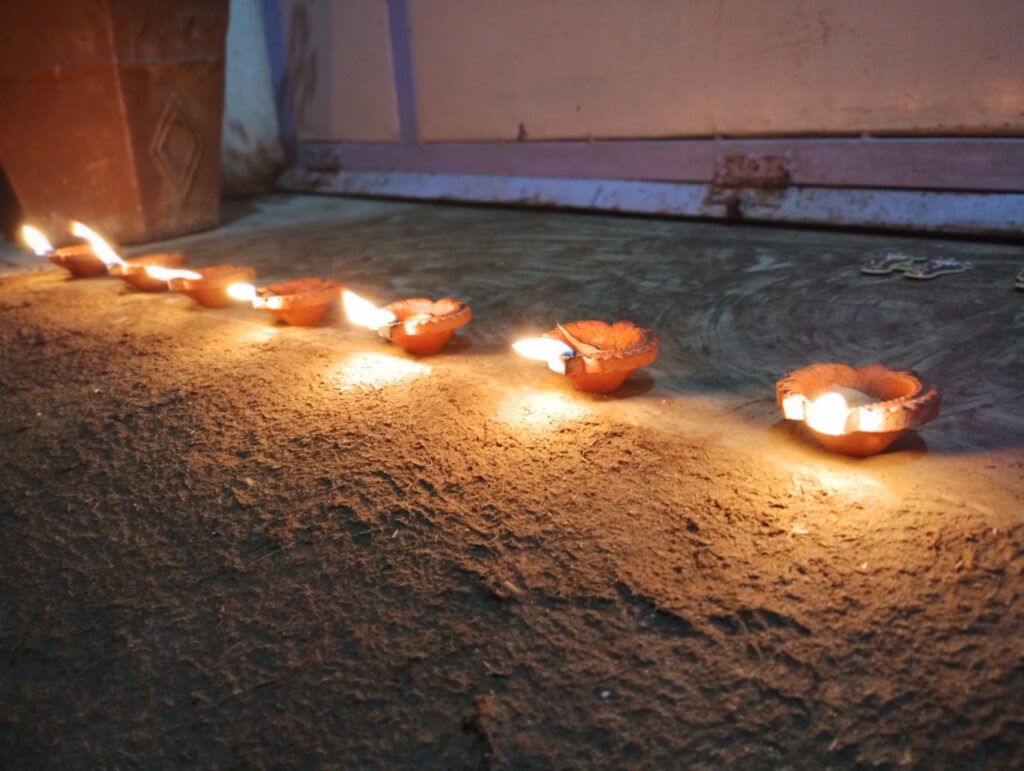
Diwali is not solely about firecrackers. In the days leading up to the festival, families clean and decorate their homes with flowers, colorful lights, and traditional oil lamps known as diyas. Colorful patterns called rangoli are created at entrances to homes, while markets bustle with shoppers buying festive essentials beneath brightly lit decorations.
The five-day festival began on 6 November with Dhanteras, when buying gold, silver, or new utensils is considered auspicious. The second day, Chhoti Diwali, is marked by lighting oil lamps and, in some households, setting off firecrackers. The third day is the main celebration, with families offering evening prayers to Lakshmi, the Hindu goddess of wealth and prosperity, before gathering for festive meals and fireworks.
The fourth day is celebrated differently across India, with family gatherings and New Year festivities in some communities. The fifth and final day, Bhai Dooj, celebrates the bond between brothers and sisters. The festival is also celebrated by Sikhs and Jains. Sikhs mark Bandi Chhor Divas, commemorating the release of their sixth guru, Guru Hargobind, from imprisonment at Gwalior Fort in the early 17th Century. For Jains, Diwali marks the attainment of moksha, or liberation from the cycle of rebirth, by Lord Mahavira.
With Indian communities spread across the world, Diwali is celebrated internationally. The festival is considered an auspicious time to make new purchases, which many believe bring prosperity and good fortune. India’s stock exchanges hold a special one-hour trading session for investors who consider buying and selling shares on Diwali favorable. Known as Muhurat trading, it will take place on 8 November this year.
Source: BBC
