


Ring has confirmed that its long-delayed indoor flying camera, the Drone Cam, will officially launch on January 27, 2027. The device is priced at $249.99 and represents the first commercially viable iteration of the company’s vision for autonomous home security.
The announcement comes nearly six years after Ring first introduced the Always Home Cam. That earlier model never reached consumers, leaving the Drone Cam as the spiritual successor to the unshipped product. Ring founder Jamie Siminoff revealed the release date and pricing during a launch event in New York City this week.
AI Pilot and Autonomous Navigation
The Drone Cam relies on a new system called AI Pilot to navigate inside homes. This technology combines the drone’s onboard camera with vision models and cloud processing to map the environment. The drone follows pre-programmed flight paths set up in the Ring app and uses sensors to avoid obstacles along those routes.
Siminoff described the system as an “AI agent that’s controlling the robot.” The drone is designed to react to triggers from other Ring sensors, such as motion detection, a door opening, a water leak, or an alarm. When triggered, it flies to a specific location to livestream and record video.
The device also supports scheduled patrols and on-demand flights. It offers 2K resolution and a 148-degree field of view. Because it is mobile, it can cover 360 degrees of a room, which Ring says reduces the need for multiple stationary cameras.
Flight Time and Privacy Features
Flight performance is limited by the drone’s battery capacity. Ring claims the Drone Cam can fly for 5 to 8 minutes on a single charge. Charging takes approximately 8 minutes for every minute of flight time, meaning a five-minute patrol requires about 40 minutes of charging. This short duration suggests the device is intended for quick check-ins rather than continuous monitoring.
Ring has built several privacy measures into the hardware. The camera lens is physically shuttered when the drone is docked. The device is also loud during operation, which Ring argues prevents it from recording secretly. Footage is encrypted using Ring’s new TAKE system, which rotates encryption keys every five minutes and deletes Ring’s copies after 24 hours.
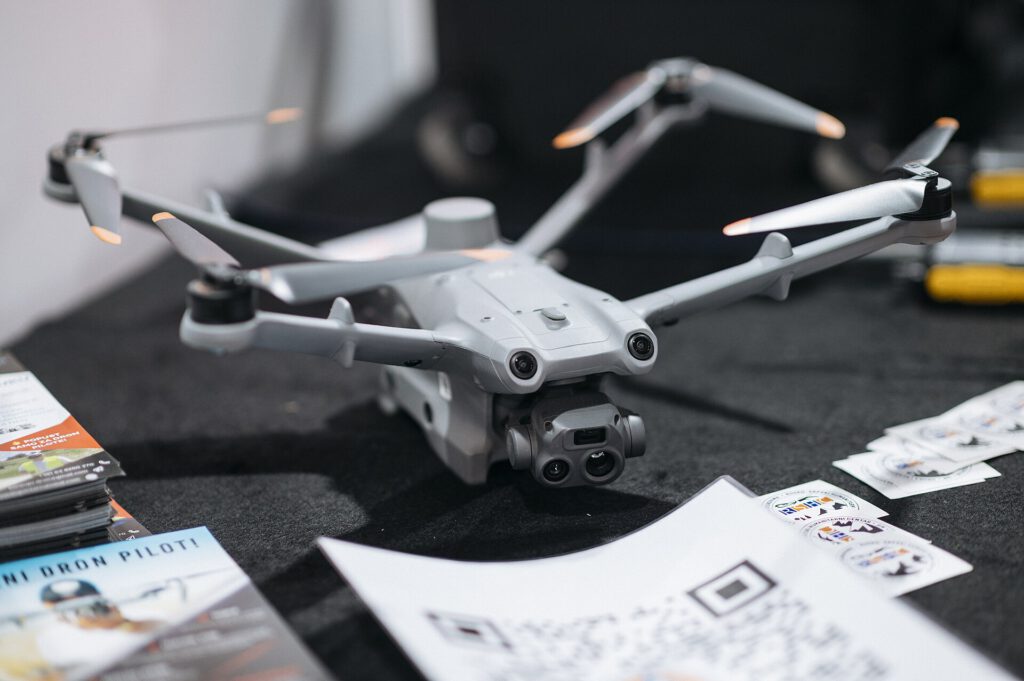
The Drone Cam weighs 165 grams and is significantly smaller than the prototype shown at CES in 2023. It is designed for indoor use only and requires a Wi-Fi connection to operate. Without internet access, the drone can only land and cannot patrol.
Ring is launching the Drone Cam as part of a new Robotics line alongside the Ring Rover Cam. The Rover is a $999.99 autonomous security robot for businesses that also uses AI Pilot. Both devices require a Ring Protect plan for video storage and advanced features.
Source: The Verge
