


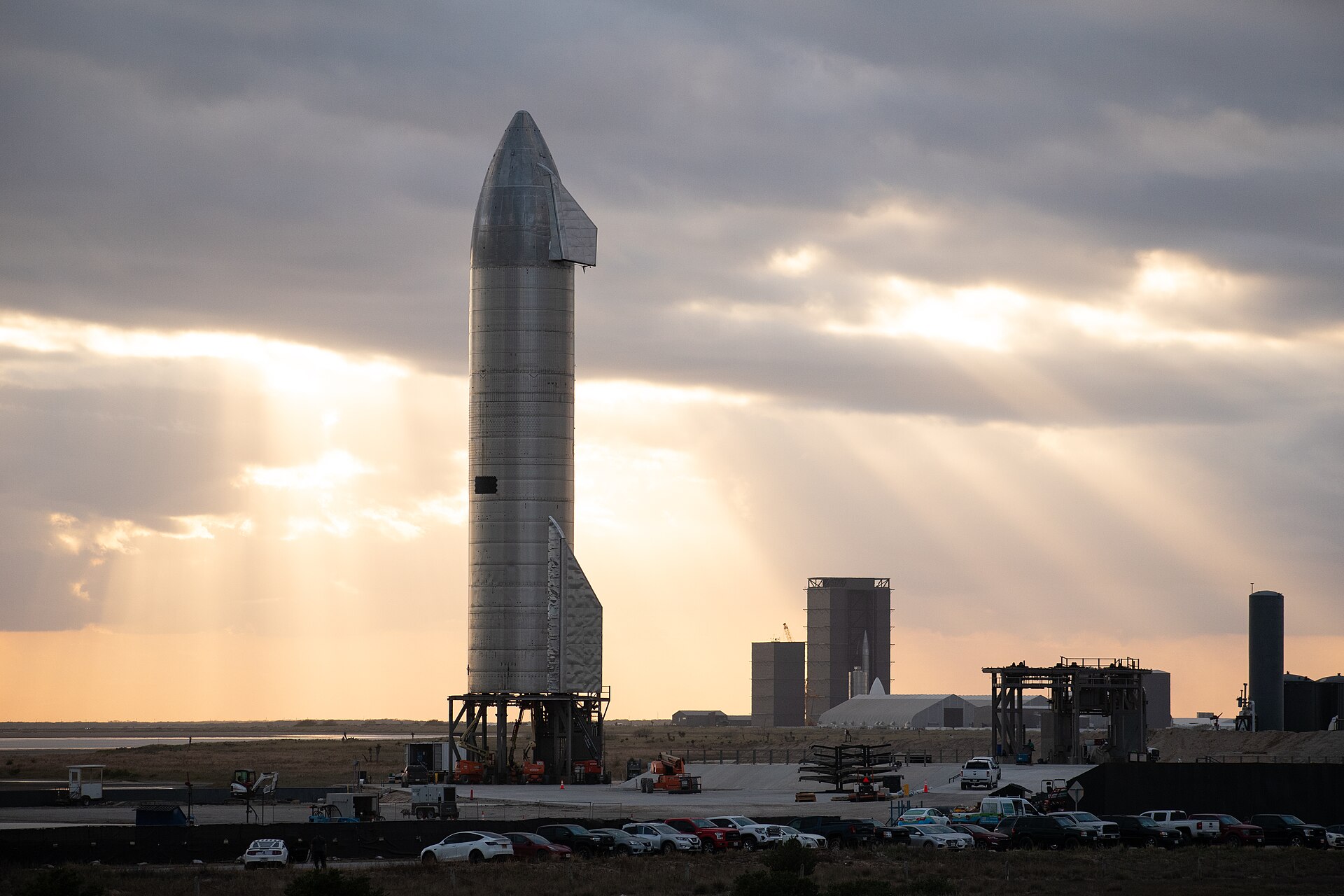
SpaceX is preparing to attempt a historic maneuver on Saturday as it seeks to catch the Starship upper stage in mid-air for the first time. The company launched the vehicle from Texas on Friday for its 15th test flight, setting the stage for what would have been a double catch event. While the Super Heavy V3 booster returned to the launch site, it could not complete the landing sequence, leaving the upper stage to face the challenge alone.
Flight 15 Objectives and Booster Failure
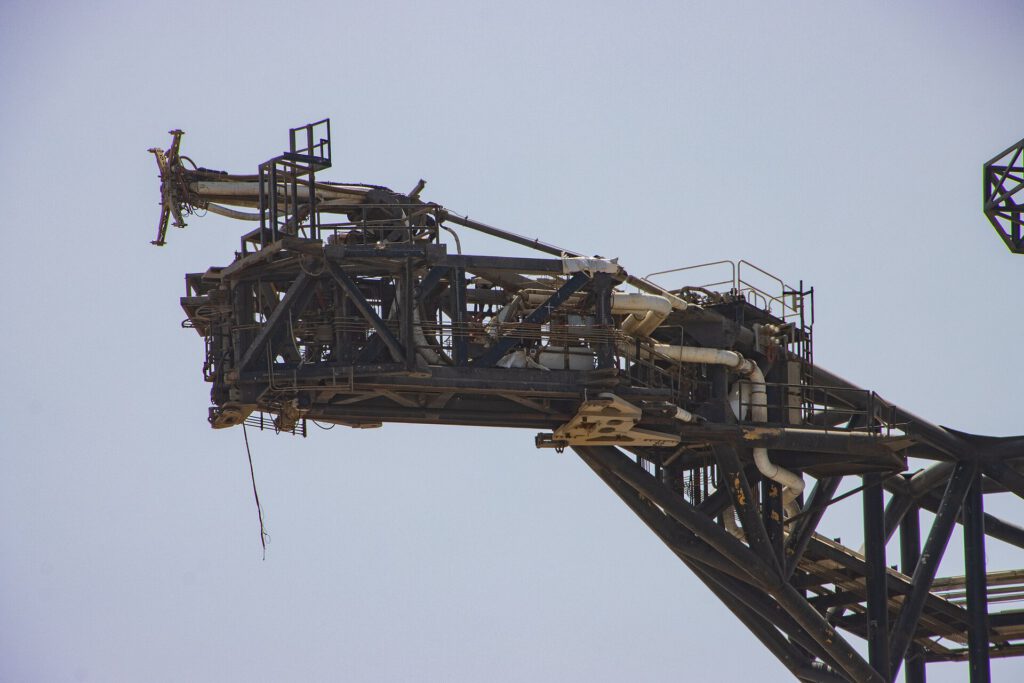
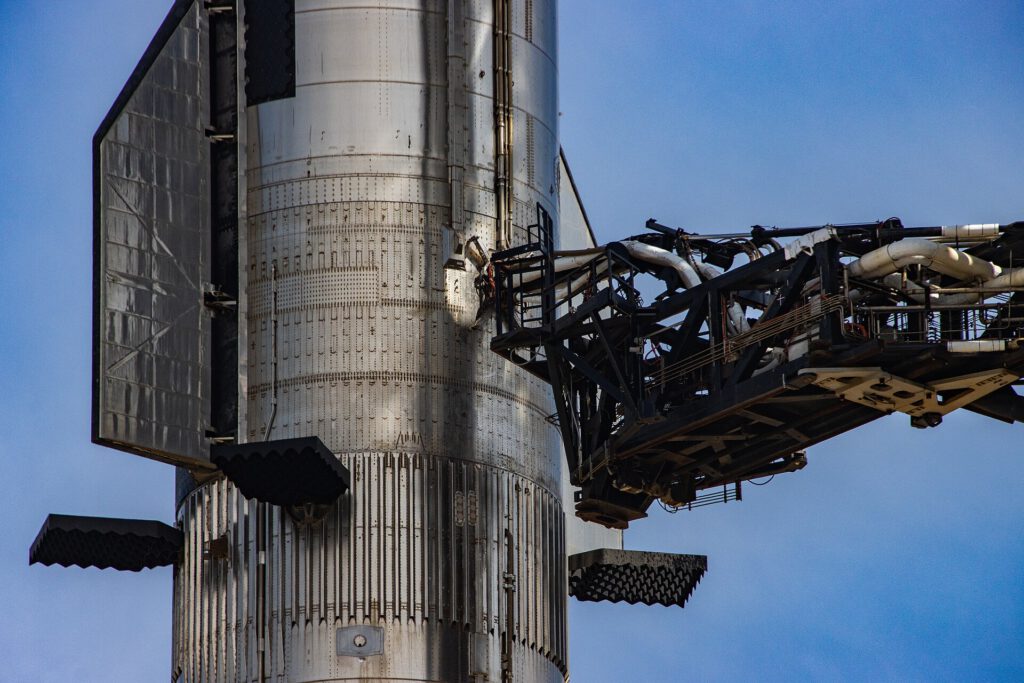
The 15th test flight aimed to demonstrate the company’s most ambitious goals to date. The plan involved the Super Heavy V3 booster returning to the launch site to be caught by the tower’s chopstick arms. This would have been followed by the Ship, or upper stage, attempting the same landing maneuver a day later. SpaceX has successfully caught and reflown V1 Super Heavy boosters on previous occasions, but catching the Ship remains untested.
During the launch on Friday afternoon, the mission achieved several key objectives. The vehicle successfully deployed 26 Starlink V3 satellites into orbit. However, the first stage booster encountered a problem during its descent back to Earth. Instead of executing the catch, the booster aborted the attempt and changed course. It eventually splashed down in the Gulf, where it exploded before hitting the water.
Starship Returns for Landing Attempt
Following the booster’s failure, the Starship upper stage continued its journey in orbit for approximately 22 hours. The vehicle has been circling the Earth since the initial launch. SpaceX is now expecting the Ship to make its landing attempt shortly after 4 PM ET on Saturday. The company has been live-streaming the entire flight on its website and on X, allowing public observation of the return sequence.
This upcoming attempt marks a significant milestone for the program. If successful, it would be the first time the upper stage is caught by the tower’s chopstick arms. The company has pulled off this trick a few times with Super Heavy boosters, but it will be a first for the Ship. The outcome of this landing will determine the next steps for the vehicle’s recovery and potential reuse.
Source: Engadget
