


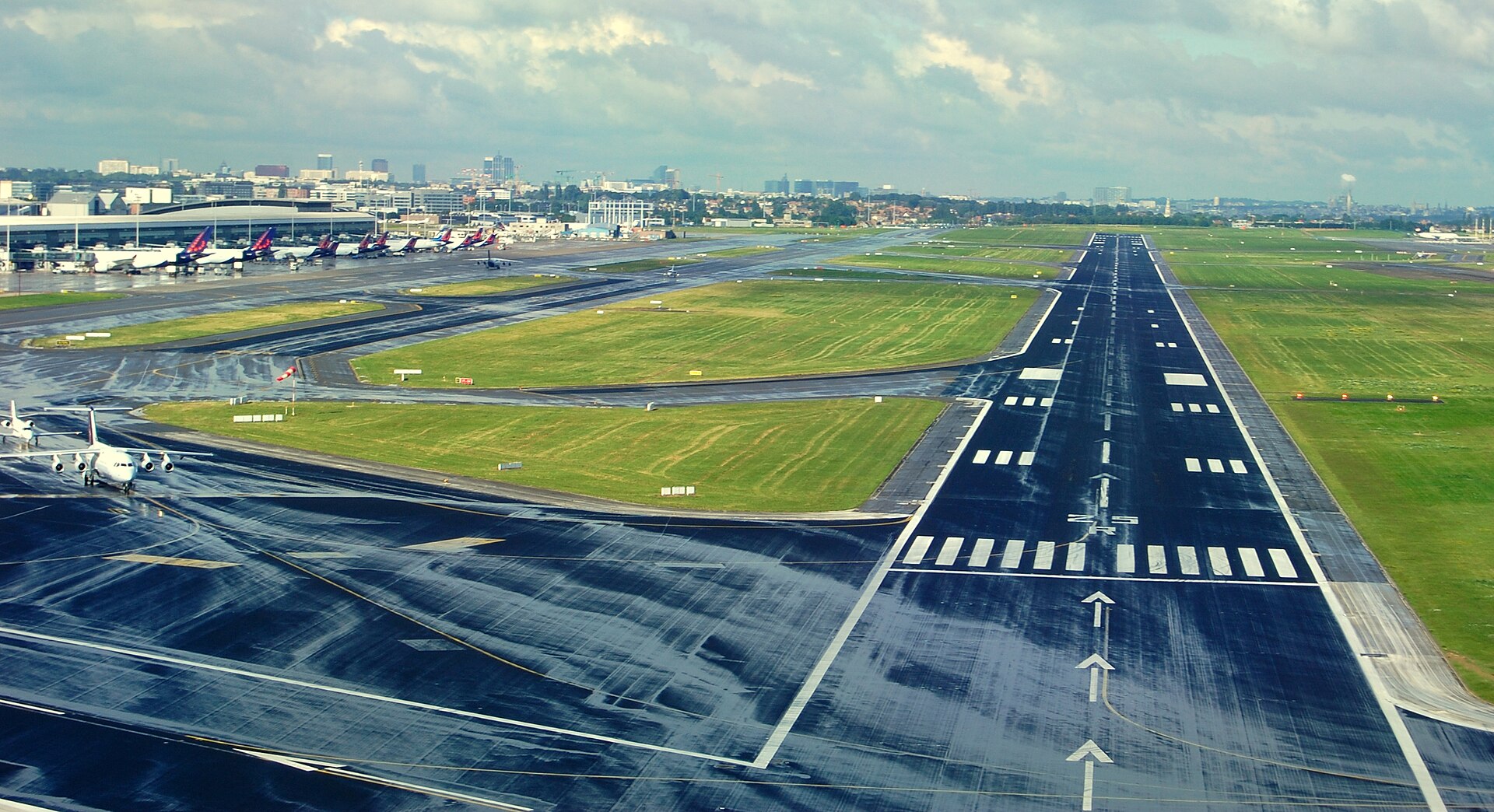
Travelers faced significant disruptions across Belgium on Monday as widespread strikes brought air and ground transport to a standstill. The industrial action, driven by opposition to planned government austerity measures, resulted in the cancellation of hundreds of flights and severe interruptions to public transit networks.
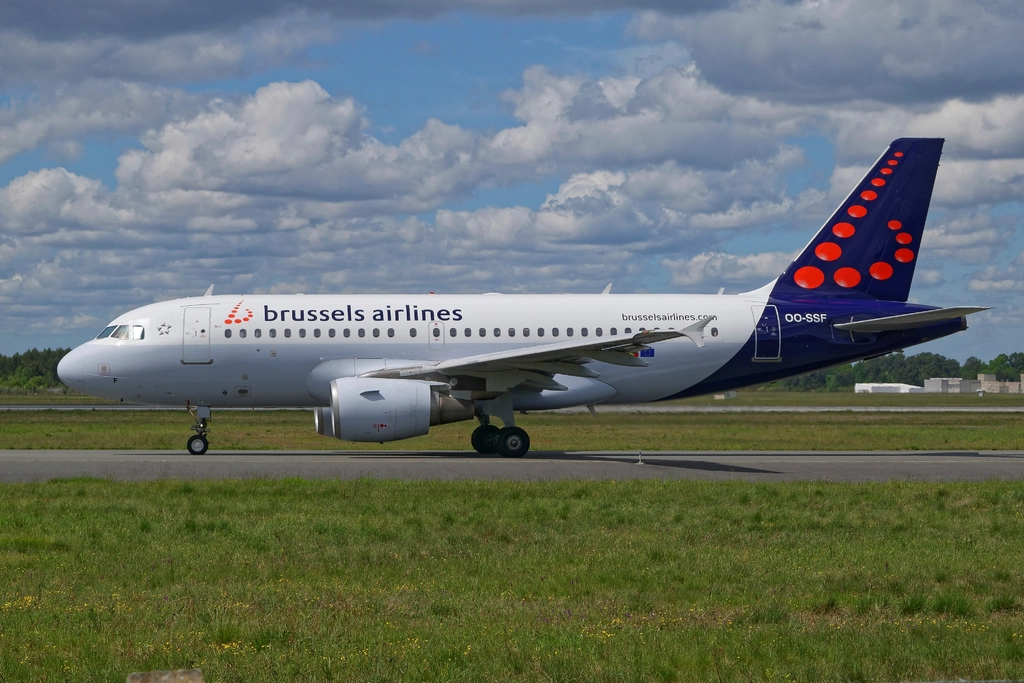
Brussels Airport in Zaventem and Charleroi Airport, a hub for low-cost carriers, suspended all operations. Air traffic controllers halted all departures and arrivals between 07:00 and 21:00 local time. The stoppage affected 404 scheduled flights, impacting more than 50,000 passengers, according to airport spokesperson Jeffrey Franssens.
Passengers arriving from international destinations found themselves stranded with no clear path forward. Florence Faure, a French traveler who had just arrived from Beijing, discovered her connecting flight to Paris had been cancelled. She noted that because her luggage was checked through to Paris, she could not even retrieve her bags at Brussels.
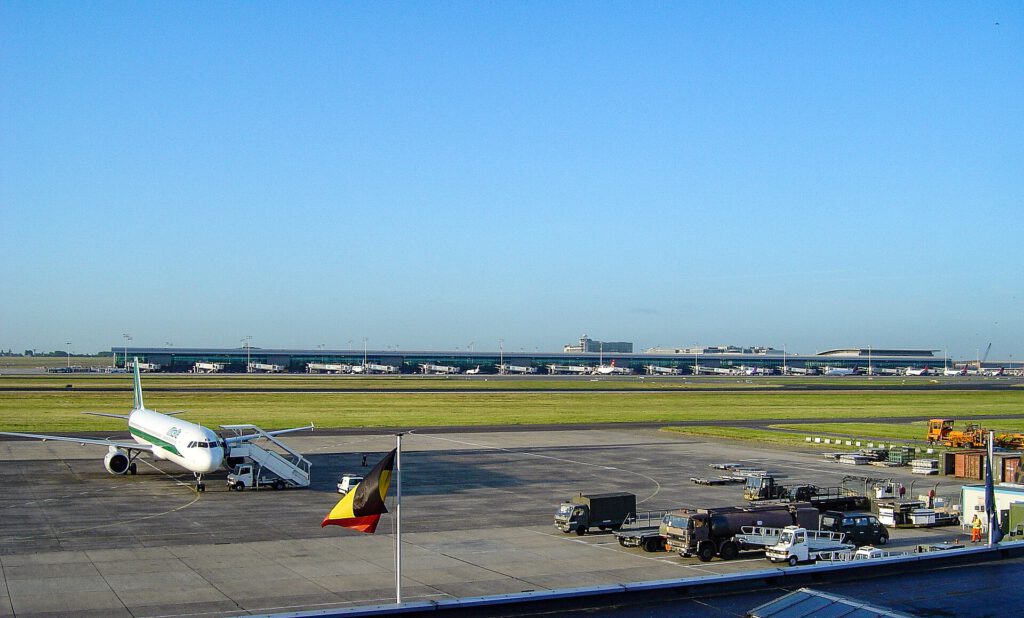
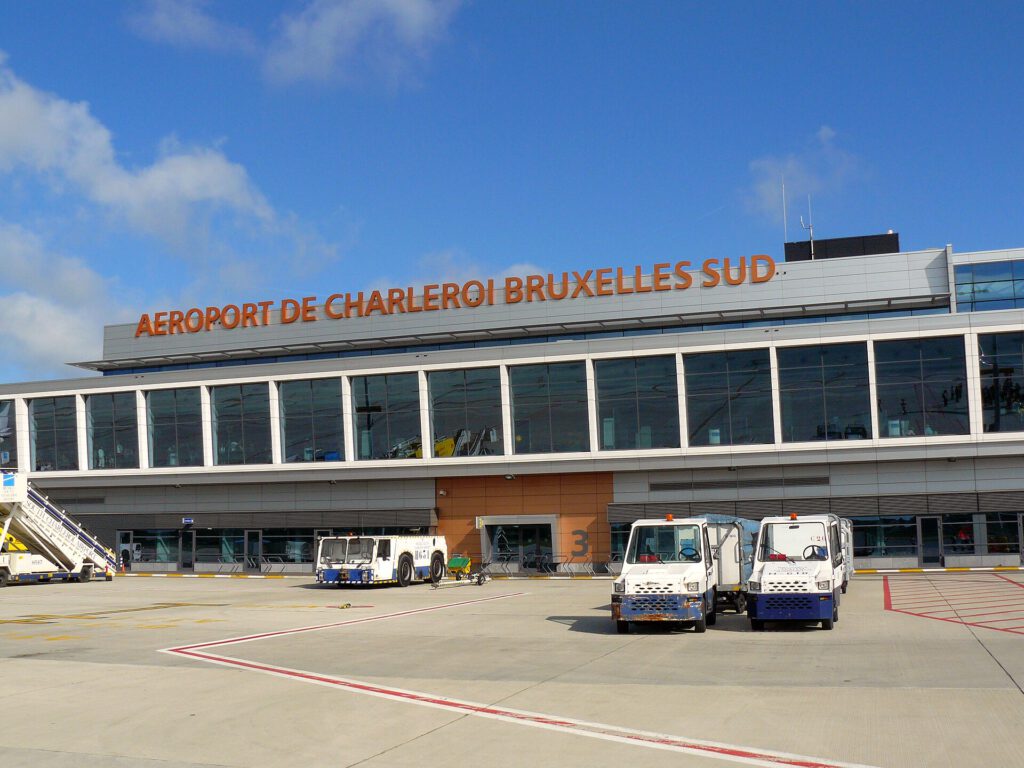
Similar chaos unfolded at Charleroi Airport, where flight status boards continued to display “scheduled” for many departures despite the strike. One passenger told Belgian broadcaster RTBF that she received no prior warning and only realized flights were grounded upon arriving at the terminal.
Protests Against Austerity Measures
The transport shutdown coincided with large-scale protests in Brussels. Tens of thousands of demonstrators marched through the capital to voice opposition to the government’s budget plans. Prime Minister Bart De Wever is currently negotiating with coalition allies to finalize a budget aimed at reducing national borrowing costs.
King Philippe declined the prime minister’s resignation earlier this month, granting De Wever additional time to reach an agreement. The royal palace stated that while the king expressed regret over the lack of significant progress, he encouraged the prime minister to persevere in negotiations.
Philippe Naime, a teacher participating in the march, highlighted the impact of reduced public spending. He stated that education funding has dried up, leaving citizens to fend for themselves without adequate means to do so.
Union Leaders Challenge Government Plans
Union leaders have intensified their criticism of the proposed fiscal adjustments. Bert Engelaar, head of the FGTB union, argued that the government has alternatives to dismantling the social protection system. He called for the implementation of a genuine wealth tax, fairer taxation structures, and the elimination of tax loopholes.
Engelaar emphasized that political responsibility involves knowing when to halt policies that harm social welfare. He praised the socialist party Vooruit, which has refused to endorse the current budget plans. Vooruit is demanding higher taxes on the wealthy and fewer cuts to pensions and healthcare.
Ann Vermorgen of the CSC union also voiced concerns, specifically criticizing plans to remove bank holidays when they fall on weekends. The strike has extended beyond transport, affecting schools and other public services across the country.
As negotiations continue, the immediate impact on travelers remains severe. Brussels Airport confirmed that no flights would operate during the strike window, leaving thousands of passengers in limbo while political leaders work to resolve the budget impasse.
Source: BBC
