


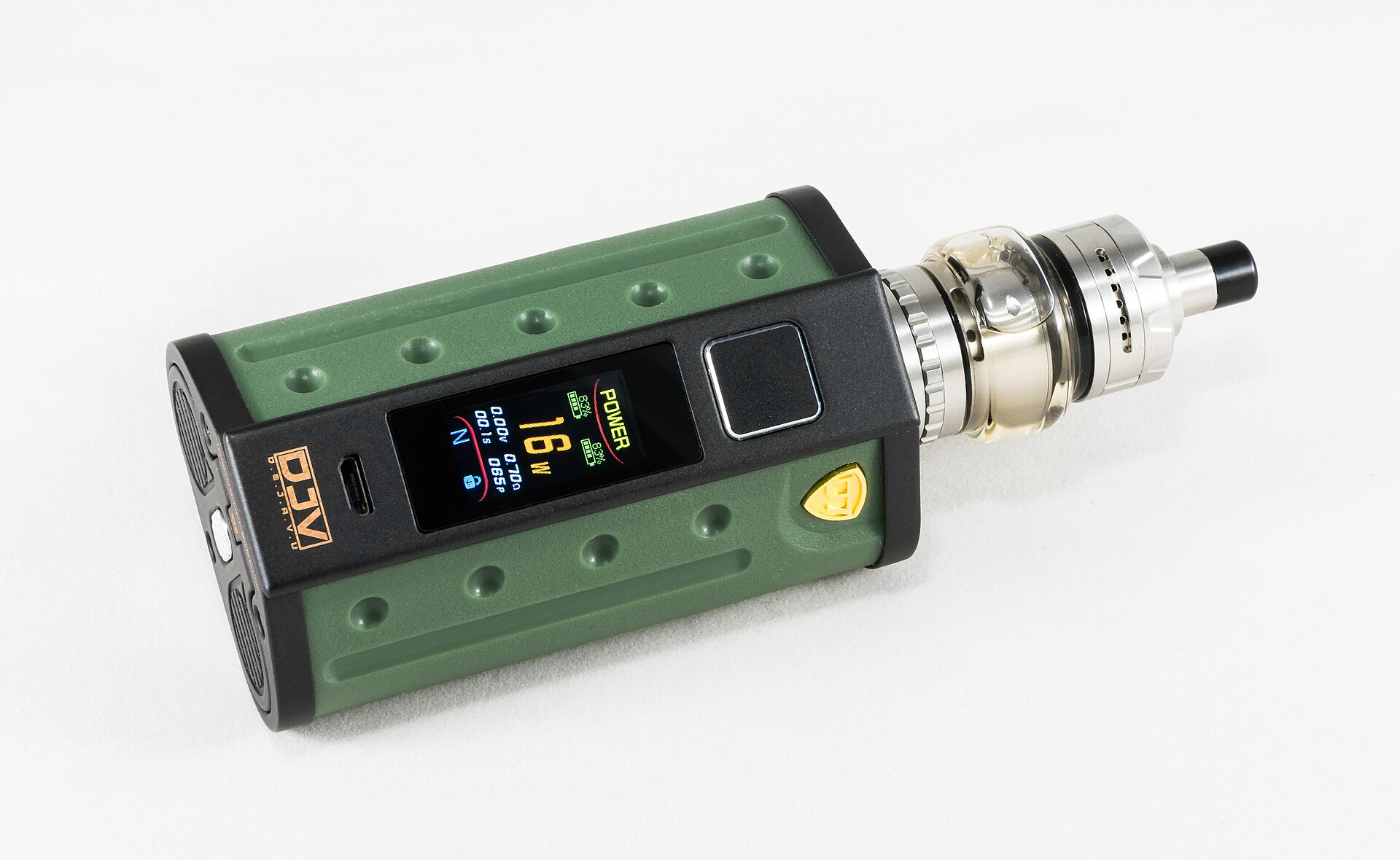
Three-quarters of all responses to a 2023 UK government consultation on banning disposable vapes were machine-generated, according to research published in the journal Tobacco Control. The findings represent what experts describe as the first coordinated attempt to use artificial intelligence to derail public health policymaking in the United Kingdom.
Massive automated interference
The Department of Health and Social Care (DHSC) identified 90,835 automated submissions out of 118,756 total responses. This accounts for 76% of the feedback received during the consultation on the tobacco and vapes bill. The DHSC used bot-detection methods to isolate these entries, noting that the submissions were often duplicated and sent at high frequency from a small number of IP addresses.
Almost all of the automated responses opposed the plan introduced by the then-Conservative government under Rishi Sunak. The submissions targeted the “smoke free generation” aspect of the consultation, which aimed to ban businesses from selling or supplying disposable vapes. The DHSC excluded the 90,835 automated responses from its decision-making process.
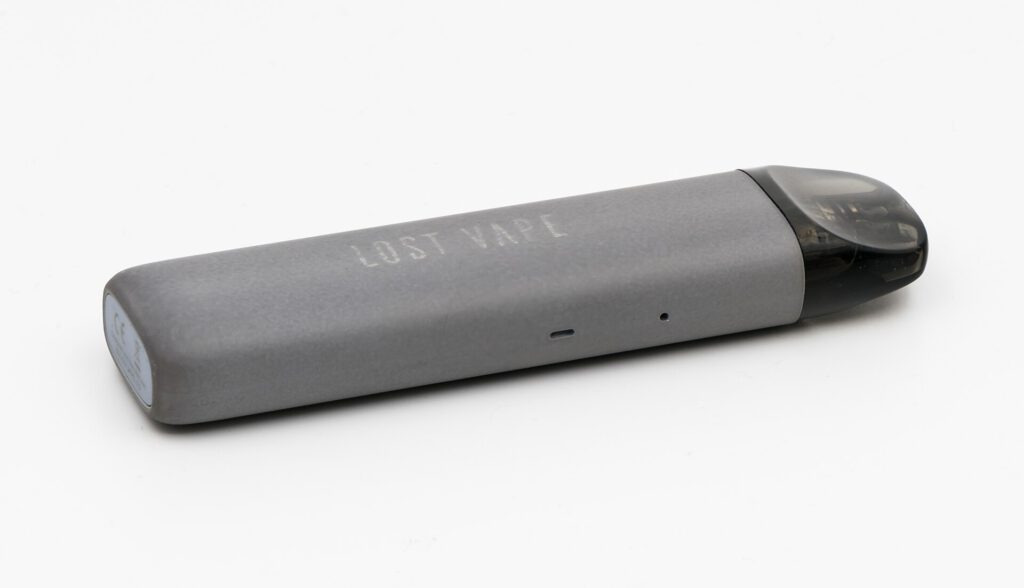
Keir Starmer’s Labour government inherited the tobacco and vapes bill in 2024 and passed it into law, including the ban on disposable vapes. The department stated that its controls worked effectively to remove the fake responses and inform the landmark action taken to create a smoke-free generation.
Concerns over future manipulation
The research was conducted by Dr Nason Maani from the University of Edinburgh and Prof Anna Gilmore of the University of Bath. They described the bombardment as the first documented instance of large-scale automated interference in a formal public health policy consultation.
Dr Maani warned that while this specific attempt was caught, the threat lies in future campaigns becoming harder to detect. He noted that such campaigns raise the possibility of powerful interests appearing as mass movements, which could skew policy outcomes if undetected.
Caroline Cerny, deputy chief executive of Action on Smoking and Health, called the evidence of AI bots swamping the consultation deeply concerning. She emphasized that the tobacco industry has a history of seeking to undermine public health regulation. Cerny stated that decisions affecting public health must be based on sound evidence and expertise, not manipulated response numbers.
Azzurra Moores, associate director for information ecosystems at the thinktank Demos, described the attempt to derail the ban as alarming. She highlighted that public consultations are a primary way for the government to open up decision-making. Interference with these processes undermines trust and stops policymakers from understanding what the public actually thinks.
Moores noted that there are no easy answers to this problem. Every barrier that keeps bots out also makes it harder for real people to participate. AI makes fake responses far harder to spot, and interference can adapt faster than departments can update their checks. Better screening and more transparency are needed, but no single fix exists.
A spokesperson for the DHSC said the department will remain alert to interference of this kind in future consultation processes. They affirmed that they will not be deterred from doing what is necessary to promote healthier living.
Source: The Guardian
