


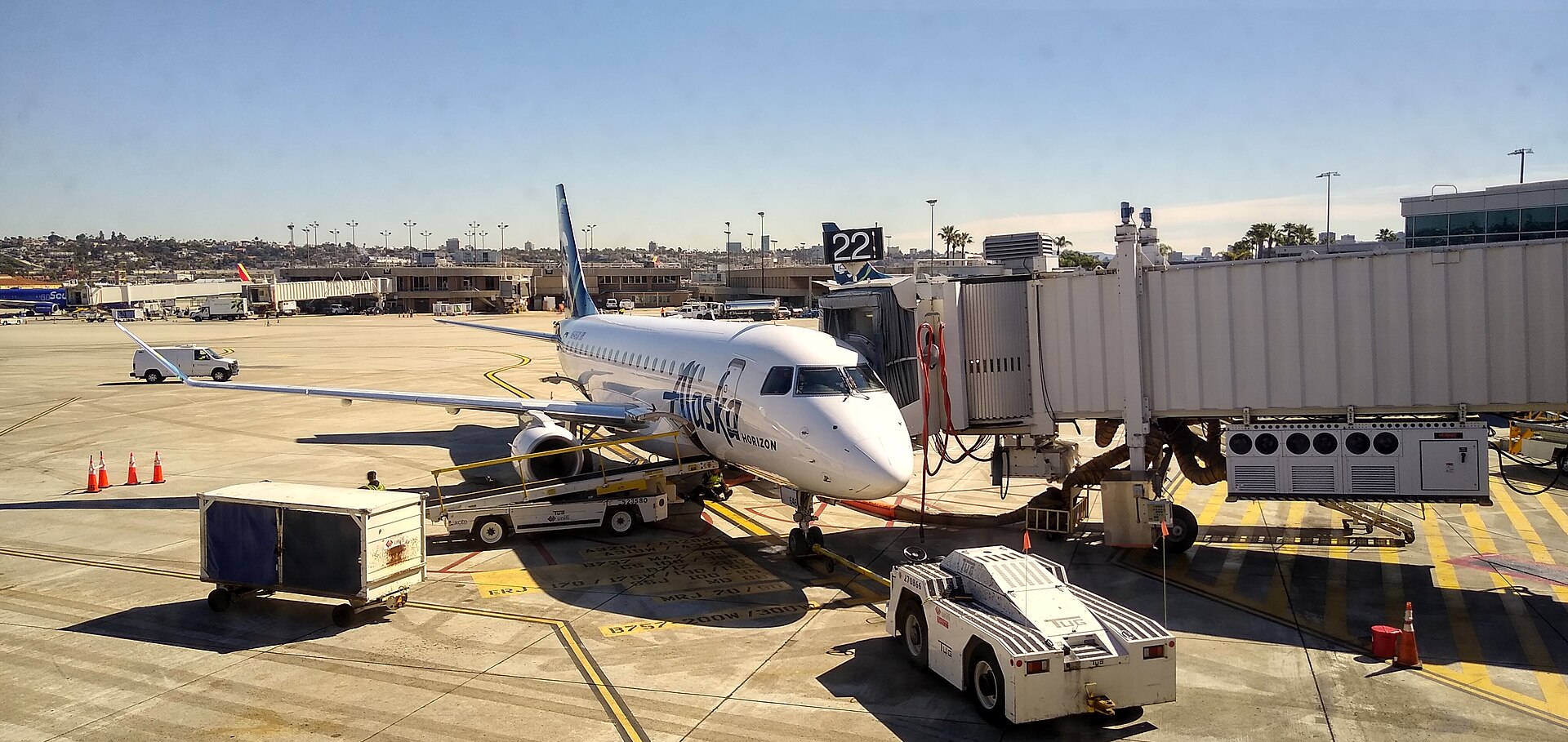
Alaska Airlines is preparing to launch a new nonstop service between Ted Stevens Anchorage International Airport and Tokyo Narita International Airport. According to flight schedule data reported by aviation analyst Enilria, the carrier intends to begin operations on May 13, 2027. The proposed seasonal route would restore a direct link between Alaska and Japan that has not existed for nearly three decades.
Flight Schedule and Aircraft Details
The service would operate daily from May 13 through September 7, 2027. Alaska Airlines plans to use the Boeing 737 MAX 8 for the journey, which is expected to take approximately eight hours and 15 minutes. The outbound flight, designated AS21, is scheduled to depart Anchorage at 2:10 p.m. and arrive in Tokyo Narita at 3:25 p.m. the following day. The return flight, AS22, would leave Narita at 9:45 p.m. and arrive in Anchorage at noon the same day.
The aircraft configuration would seat 161 passengers. The cabin layout includes 16 First Class seats and 145 Main Cabin seats. Initial fare listings suggest prices starting at $605. These details remain provisional until the airline confirms the service and secures necessary government approvals.
Operational Challenges and Range Concerns
Deploying a narrowbody aircraft on a transpacific route of this distance presents significant operational hurdles. Boeing lists the maximum range of the 737-8 at 3,500 nautical miles. The direct distance between Anchorage and Tokyo is approximately 3,426 miles. However, airspace restrictions and necessary flight deviations could increase the actual distance flown to more than 3,750 miles.
Successful operation depends on payload, wind conditions, fuel reserves, and the availability of diversion airports. Extended-range twin-engine operations require strict regulatory compliance. Aviation experts have questioned the feasibility of this specific routing with the proposed aircraft. The schedule alone does not confirm that the route is operationally viable under all conditions.
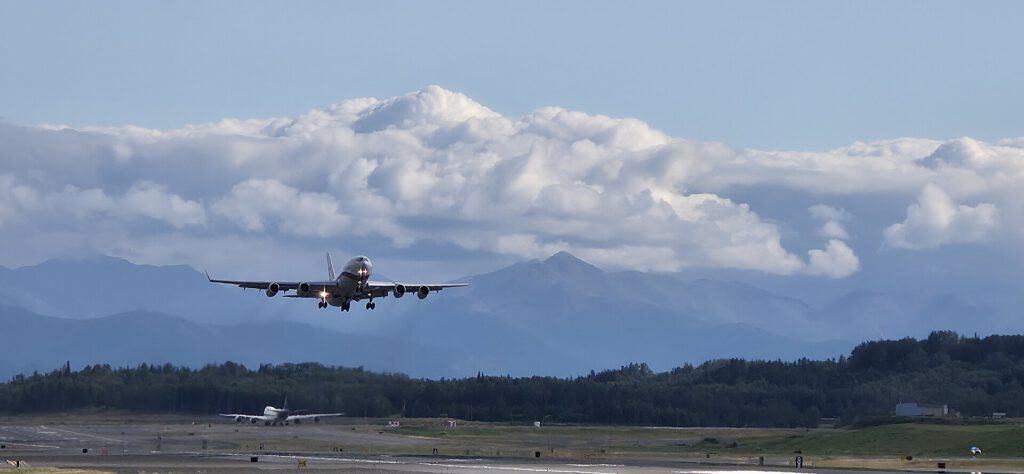
Precedents exist for using the 737 MAX 8 on international Pacific routes. United Airlines operates the aircraft from Guam to various Asian destinations. These missions demonstrate that modern narrowbodies can serve international markets without widebody capacity. The Anchorage to Tokyo route, however, exceeds the duration and range of many existing United services.
Market Context and Historical Precedent
This potential route would mark a significant expansion for Alaska Airlines. The carrier has been growing its international presence while maintaining its domestic network. Anchorage could serve as an alternative gateway for travelers heading to Asia. The success of the service would depend on attracting sufficient demand beyond the local population.
Northwest Airlines last served the Anchorage to Tokyo market nonstop in 1999. The proposed launch would end a 28-year gap in direct service between the two cities. The airline aims to offer more nonstop connections from its major hubs. The long-term prospects of this seasonal service will depend on passenger demand and the aircraft’s practical operating capabilities.
Source: Simple Flying
