


For Brent Williams, a Kentucky farmer who grew up raising cattle, the diagnosis of alpha-gal syndrome forced a complete change in his agricultural path. The condition, a red meat allergy triggered by the bite of certain ticks, left him unable to consume beef, pork, or lamb. Rather than abandoning the industry, Williams turned to an unexpected source of protein: ostriches.
Williams began sourcing ostrich meat for special occasions after discovering it could mimic the flavor profile of beef without triggering his immune system. The positive response led him to start raising the birds himself. He noted that as he learned more about the growing number of people unable to eat traditional red meat, he realized his farming background could offer a solution.
Ostrich Meat as a Safe Alternative
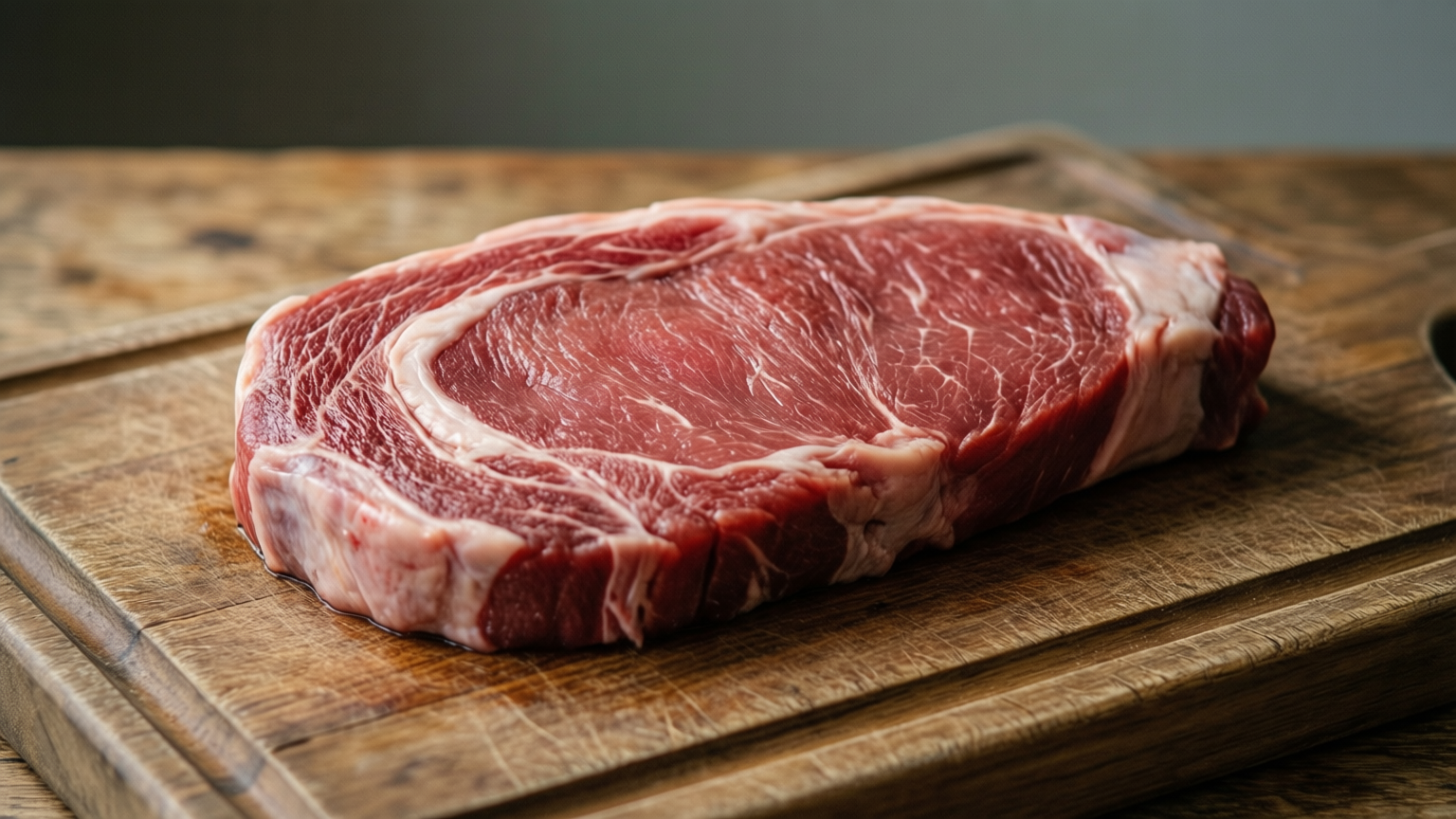
Ostriches, emus, and rheas belong to a group of large, flightless birds. Unlike the white meat of chickens or turkeys, ostrich meat is dark red and resembles a beef steak in appearance and texture. This makes it a viable substitute for consumers who miss the taste and mouthfeel of mammal meat.
Abbigail Pace, a nutrition professor at the University of Kentucky, explains that ostrich meat offers distinct health advantages. It contains all the essential amino acids that the human body cannot produce on its own. Additionally, it is lower in fat than many traditional red meats.
The primary benefit for those with alpha-gal syndrome is the absence of galactose-alpha-1,3-galactose. This carbohydrate is found in most mammals and triggers immune responses in allergic individuals, causing symptoms such as hives, rashes, and nausea. Ostrich meat lacks this compound, making it safe for consumption.
The Centers for Disease Control and Prevention estimates that 450,000 Americans have been diagnosed with the condition. Pace notes that the lone star tick population is expanding, particularly in the Mid-Atlantic, Midwest, and Deep South regions. She suggests that up to one in four people may have developed antibodies to the syndrome, even if they do not exhibit severe symptoms.
Restaurants Adapt to Dietary Needs
The demand for safe meat options has reached the restaurant industry. Kenneth Todd, owner of Papaw’s Poole Mill Restaurant in rural western Kentucky, was diagnosed with alpha-gal syndrome after years of eating beef. After trying ostrich meat from Williams’ farm, he added it to his menu.
Todd reports that the dish has drawn customers from several hours away. He described the move as a way to help others in the same position he once occupied. To ensure safety, the restaurant prepares the meat in a dedicated section of the kitchen to prevent cross-contamination with mammal products.
Mark Geary, a customer diagnosed with the syndrome over the summer, found that traditional poultry did not satisfy his cravings. He described the ostrich burger as excellent, noting it has become his preferred option. The positive reception has led Todd to consider adding ostrich sausage to a future breakfast menu.
As tick populations continue to grow, the market for non-mammalian proteins is likely to expand. Farmers like Williams are positioning themselves to meet the needs of a growing demographic of consumers who must avoid traditional red meat.
Source: NPR
