



The rise of smart eyewear has introduced new privacy challenges, as these devices can record audio and video without obvious warning. While they offer convenience for users, they also enable covert surveillance, making it important for the public to understand how to identify them.
Physical Indicators of Smart Eyewear
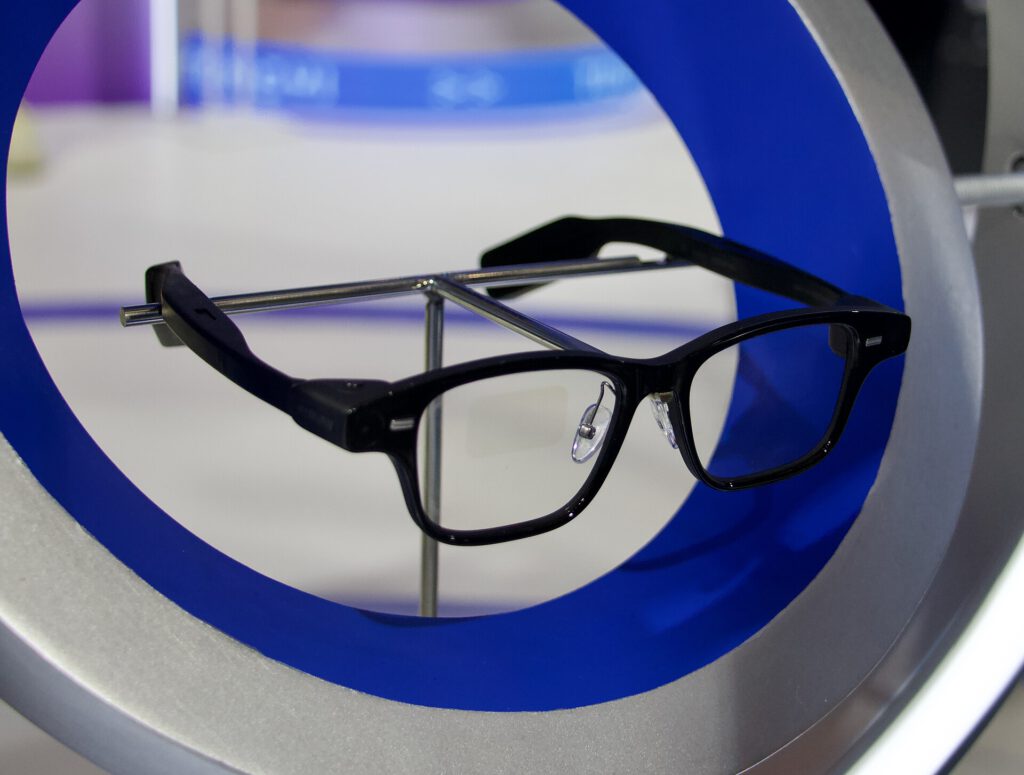
Most smart glasses differ from standard eyewear in their construction. The internal technology often requires thicker frames, particularly at the temples and the outer edges of the lenses. This bulk is usually necessary to house batteries and processing units. The camera lenses are typically located on the outer sides of the frames, while charging ports or audio grilles may be positioned further back.
Many manufacturers include a small LED indicator light that activates when the device is recording. If you suspect someone is filming, look for this light. However, this feature is not universal. Some low-cost alternatives sold on online marketplaces lack recording lights entirely. Additionally, audio-first models, such as the Ray-Ban Meta Audio Glasses, do not include cameras at all.
When physical cues are unclear, observe the wearer’s behavior. Signs of interaction with smart glasses include frequently touching the temples of the frames or pausing to stare into space, which may indicate they are reading text from a heads-up display. Some users also whisper voice commands to themselves. While these actions can have other explanations, they are consistent with how people interact with augmented reality interfaces.
Digital Detection Tools
Technology designed to counter smart glasses is also emerging. Applications like Nearby Glasses and ZuckOff scan for Bluetooth signals and device identifiers commonly associated with AI glasses. These apps provide a digital warning when compatible devices are in the vicinity.
These tools are not foolproof. Their effectiveness depends on the wearer having Bluetooth enabled. If a user disables this feature, the apps cannot detect the device. There is also a risk of false positives, where the app alerts you to a device that is not actually recording. Despite these limitations, they serve as a useful first line of defense.
Handling Suspected Recording
If you suspect someone is recording you, confrontation is rarely the best approach. It is generally safer to move away from the individual. If you feel you are being followed, contact local authorities immediately. In professional settings, such as confidential meetings, it is appropriate to state clearly that recording devices are not permitted.
If you must address a stranger about their device, do so calmly and in a public area. This reduces the risk of escalation and ensures there are witnesses to the interaction. Understanding these detection methods helps balance the benefits of new technology with the right to privacy in public spaces.
Source: Engadget
