


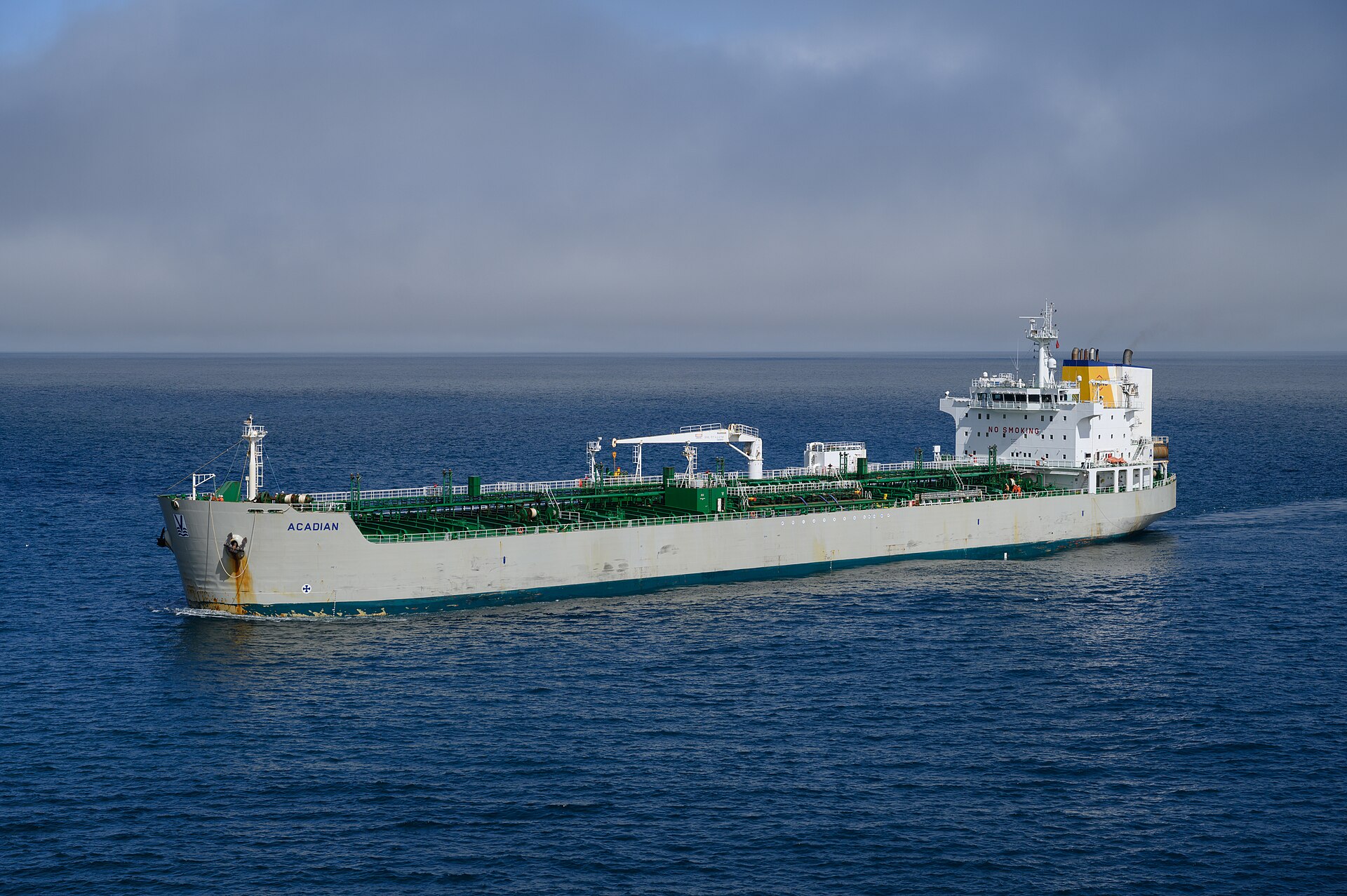
Oil prices dropped on Friday after United States President Donald Trump stated that the US will not attack Iran before the November 3 midterm elections. The comment came late Thursday on Truth Social and appeared to calm markets that had been spooked by escalating tensions in the Middle East.
Trump Iran strike pledge calms markets
Trump wrote that the US is having “productive discussions” with the Islamic Republic of Iran. He explicitly ruled out military action in the period leading up to the US congressional elections.
“We will not be attacking Iran at any time prior to the midterm elections to be held in the United States on November 3rd,” Trump posted. The statement helped reverse some of the gains oil prices had made earlier in the week when speculation about a potential US strike drove up energy costs.
Analysts suggested the timing of the post might be linked to efforts to stabilize energy markets. The possibility of renewed fighting in the region had previously pushed oil prices higher during Thursday trading. By Friday morning, prices had retreated as supply concerns eased somewhat.
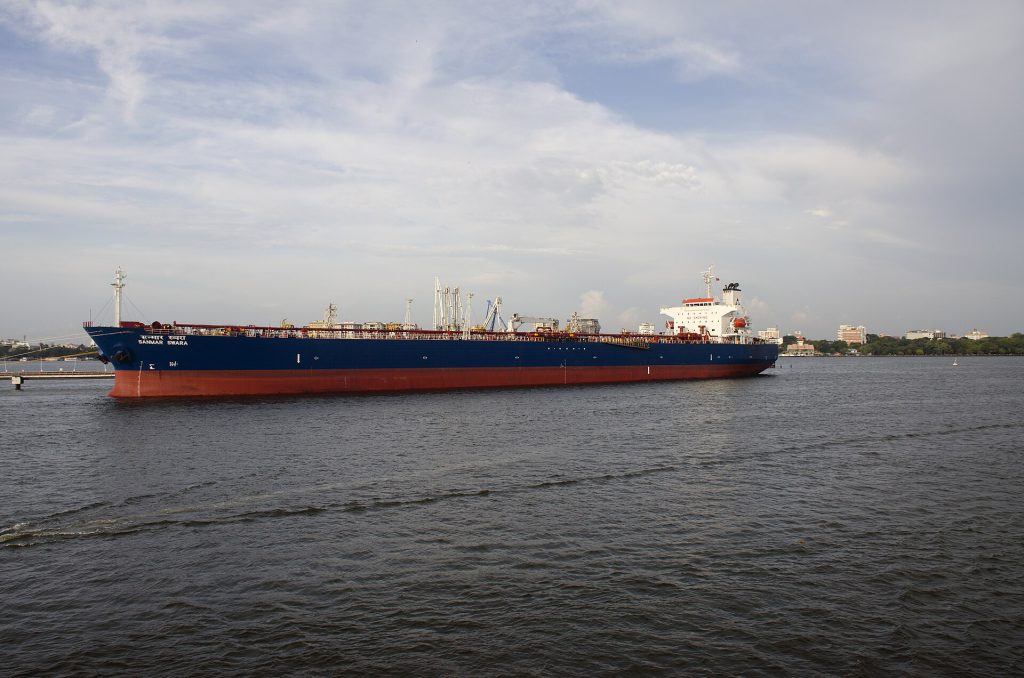
Tensions in the Strait of Hormuz
Despite the diplomatic signals, physical tensions remain high in the Strait of Hormuz. Iranian media reported massive explosions in the southern part of the waterway on Friday. Fars News Agency cited unnamed military sources who said tankers using unauthorized routes may have struck sea mines.
Iran’s Foreign Minister Abbas Araghchi said Tehran is currently reviewing the US response to a seven-day plan to reopen the Strait of Hormuz. He stated that Iran would respond within the next few days. Negotiations are continuing through mediators, according to Iran’s Tasnim news agency.
The situation in the Strait has been a focal point of the broader conflict. The waterway is a critical chokepoint for global oil supplies, and any disruption there has immediate effects on international energy prices.
Diplomatic efforts and regional reactions
US Vice President JD Vance recently said Iran must make a meaningful reduction in its uranium enrichment capacity as part of any agreement to end the war. Experts noted this demand may represent a softening of Washington’s earlier position, which had insisted Tehran abandon enrichment entirely.
However, Iranian President Masoud Pezeshkian expressed skepticism about the diplomatic process. On Monday, he told reporters that negotiations with Washington were futile. He accused the US of using talks as a cover to launch attacks against Iran.
Russia has also entered the diplomatic fray. Russian President Vladimir Putin told Pezeshkian that Russia will do everything to help end the US-led war on Iran, according to Russian news agencies. The involvement of Moscow adds another layer to the complex geopolitical landscape surrounding the conflict.
The US president’s comments come at a critical time for both domestic politics and international security. With the midterm elections approaching, the administration faces pressure to manage foreign policy outcomes that do not negatively impact voter sentiment. At the same time, the risk of a broader regional war remains a significant concern for global energy markets.
Oil traders will likely watch for further developments in the Strait of Hormuz and any additional statements from Tehran or Washington. The next few days will be crucial in determining whether the current diplomatic efforts can de-escalate the situation or if tensions will continue to rise.
Source: Al Jazeera
