


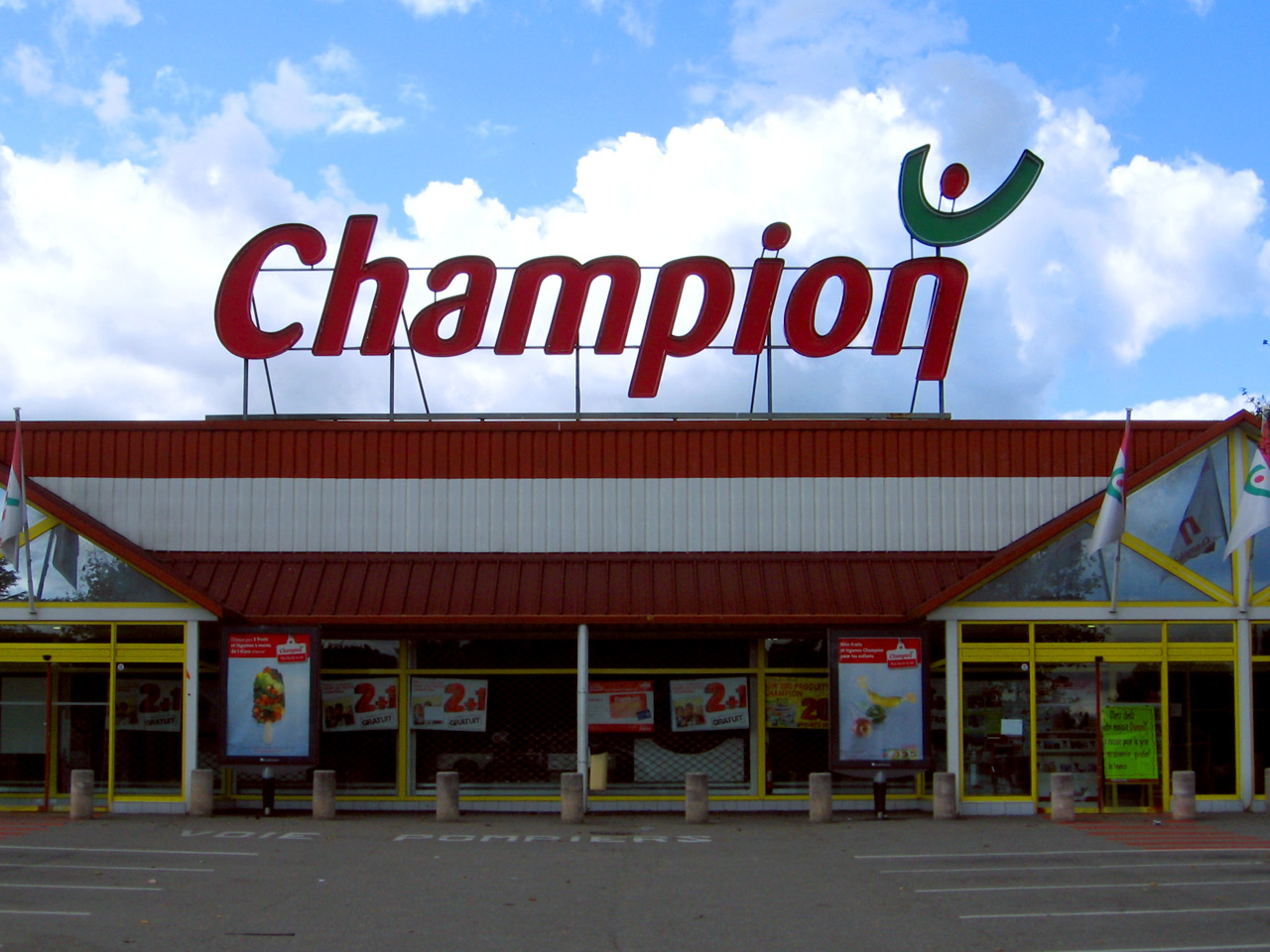
Hundreds of supermarkets across France have suffered significant food losses after a coordinated cyberattack compromised the software controlling their refrigeration units. The breach caused freezers and fridges to heat up to 50C, which is 120F, overnight, rendering fresh and frozen goods unsellable. The incident has triggered a criminal investigation by French prosecutors and drawn condemnation from European officials.
Danfoss Software Compromised
The attack targeted a remote management system provided by the Danish engineering firm Danfoss. This software allows retailers to monitor and adjust temperatures in their cold storage units from a distance. According to reports, hackers gained control of the system and forced the units to heat up and stay hot, bypassing the normal short defrost cycles that supermarkets typically run overnight.
Danfoss stated that the affected cold units were older models. The company noted that the security software on these specific units could not be updated to address a known risk. In a statement, the firm emphasized that it had long advised businesses to keep supported systems up to date to prevent such vulnerabilities. The company added that reliable refrigeration is critical to its customers’ operations and pledged to help them restore secure systems.
Widespread Impact on Retailers
The scale of the disruption was extensive, affecting major French food retailers. Coopérative U, one of the largest supermarket chains in the country, reported that more than 100 of its stores were hit. Dominique Schelcher, the chief executive of Coopérative U, described the incident as an “extremely serious and unprecedented” attack. He stated that staff were fully mobilized to restore the situation as quickly as possible.
Intermarché and its Netto brand were also heavily impacted. A spokesman for the Mousquetaires Group, which owns these chains, said that 180 stores were affected. The group took urgent measures to disconnect another 100 shops from the internet to prevent further damage. Intermarché confirmed that its fridges had heated up to 50C for six hours overnight. To avoid health risks, the retailer discarded all affected food.
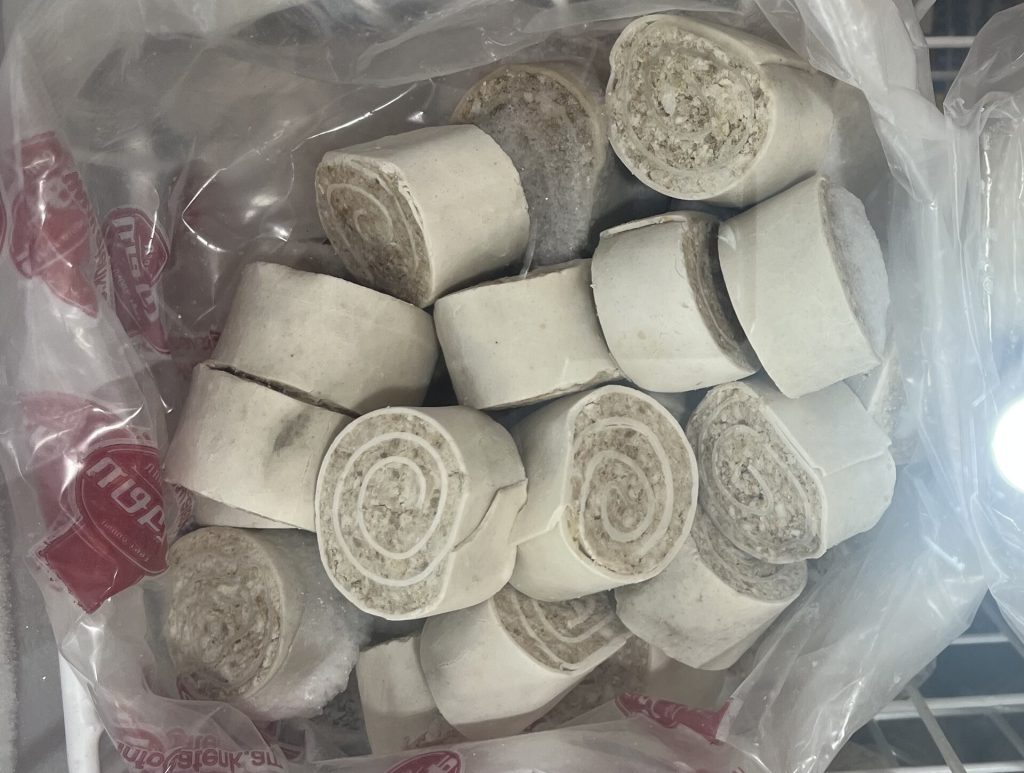
Other major retailers, including Carrefour, Monoprix, and E.Leclerc, reported similar issues. Carrefour said 80 of its 6,000 stores were hacked. Monoprix reported that 5% of its 400-plus stores were affected, with food removed from sale if its condition could not be guaranteed. Managers arriving at branches on Monday morning reported being hit by waves of hot air from the freezers, and in some locations, small fires were reported.
Financial and Legal Consequences
The financial toll of the attack is estimated to run into the millions of euros. Two supermarkets in the Alsace region reported losses of €270,000 between them. The full extent of the nationwide damage remains unclear, but figures from individual chains suggest about 400 stores were affected out of a total of roughly 15,000 in France. Some display units remained out of service on Monday afternoon as staff worked to restock shelves.
French prosecutors have opened a specific cyber-crime investigation into the incident. The Paris prosecutor’s office characterized the event as a “large-scale cyber-attack affecting the refrigerators of several major food retail chains across France.” European Food Commissioner Christophe Hansen condemned the hack on social media, stating that food security requires more attention at all levels. He added that the weaponization of food has become a reality.
As investigations continue, retailers are focusing on restoring normal operations. The incident has highlighted the vulnerabilities in critical infrastructure that relies on connected software systems. Danfoss continues to support its customers in maintaining secure and reliable systems, while French authorities work to identify the perpetrators behind the hack.
Source: BBC
